
XPeng Challenges BYD and Geely: Opens Its First 1 MW Charging Station and Announces Plans to Bring 4,000 Units to Europe
20/09/2026 11:30
Updated to
20/09/2026 11:30
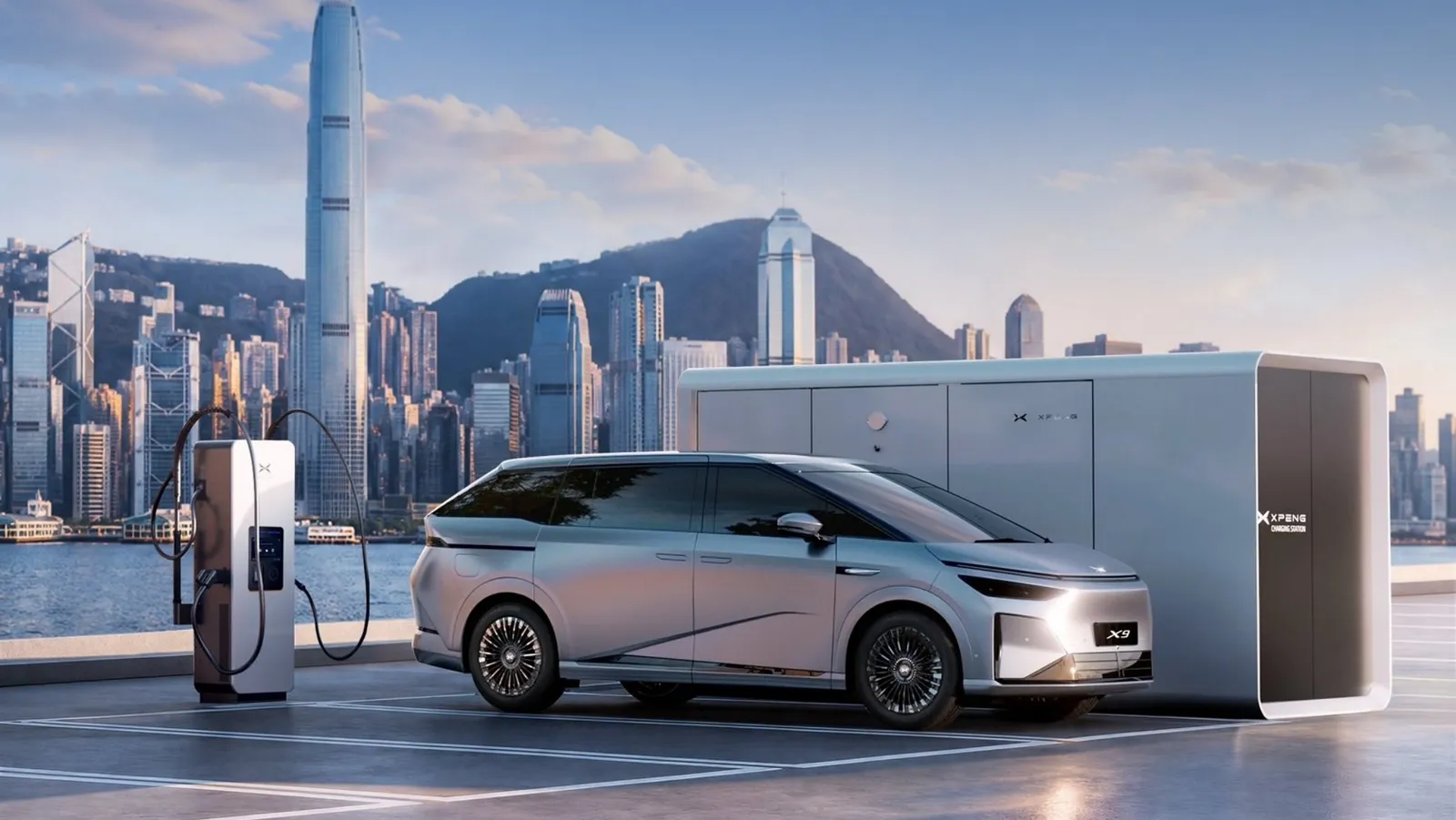
The race for ultra-fast charging continues to advance, with XPeng taking the lead this time. The Chinese manufacturer has launched in Hong Kong what it describes as the world’s first megawatt charging station, providing the city with its first public charger of such high power. Named X-Energy, this station was built in collaboration with Halo Energy, a local charging solutions provider. According to a statement from the company itself, it can be used by owners of any brand vehicle.
This milestone is even more significant considering that the city previously lacked any public infrastructure capable of operating at such high power levels. XPeng has described it as “another milestone in the brand’s in-house charging technology,” positioning it as a natural next step after years of investment in ultra-fast charging infrastructure.
The numbers behind the megawatt capability
According to XPeng’s promotional materials, the entire unit reaches a peak power output of 1 MW, with liquid-cooled charging capable of 1,000 amperes. What’s interesting is how it achieves this figure without requiring an enormous electrical connection. The station only needs a 240 kilowatt or lower grid connection, thanks to a 400 kWh energy storage system located on site. This battery backup enables it to deliver peak power levels far exceeding what the local grid could supply directly, thus avoiding costly infrastructure expansions.
Calculations show that at full capacity, the net power consumption from the storage battery is around 760 kilowatts, meaning the 400 kWh available can sustain continuous full-power operation for approximately half an hour. Recharging that battery back to 240 kilowatts takes about 100 minutes. It is a design intended for short-term peak demand, not to maintain full power indefinitely, which is logical given the limitations of any urban electrical grid.
A concept already seen in Munich
XPeng had already shown the X-Energy platform to journalists at an event in Munich on July 16th, hours before the global launch of the MONA L03. At that presentation, the company mentioned a maximum power output of 1,040 kilowatts, a grid compatibility range of 120 to 240 kilowatts, and a round-trip efficiency of 91.5%. The charging station in Hong Kong raises this figure to 1 MW, maintains the same grid compatibility, and adds a new detail not revealed in Munich: a storage capacity of 400 kWh.
How it compares to BYD and Geely
The most direct competitor in this race is BYD, which launched its first megawatt charging system in March 2025, combining 1,000 volts and 1,000 amperes to achieve 1,000 kilowatts. A second generation (Flash Charging) was introduced in March 2026, increasing the maximum power by 50% to 1,500 kilowatts at 1,500 amperes through a single charging gun. In comparison, XPeng’s 1 MW charger in Hong Kong only reaches 66.7% of what a single BYD charging gun can deliver. Besides BYD, Geely, through its subsidiaries Zeekr and Lynk & Co, is developing its own charging network capable of recovering 97% of the battery’s energy in less than 9 minutes.
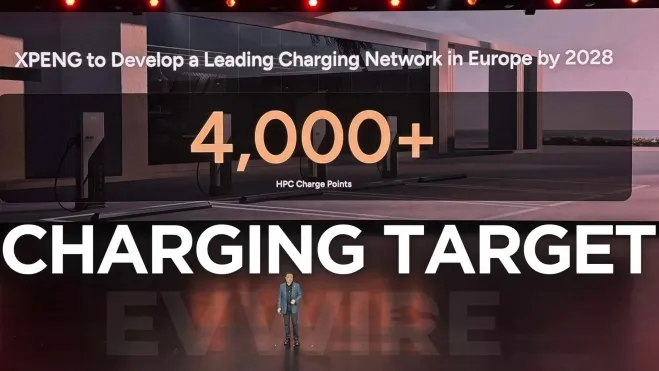
XPeng has chosen Hong Kong as its first stop outside mainland China for its own fast-charging network, but it won’t stop there. The company also plans to expand its operations to the Old Continent, aiming to open over 4,000 charging stations in the coming years, although most of them won’t offer the high performance currently advertised. XPeng currently operates more than 3,780 self-built charging stations in 31 countries and regions, while also providing its customers access to over 2.7 million chargers worldwide.