
XPeng P7+ Long Range (2026) in review: Luxury comfort at mid-range prices?
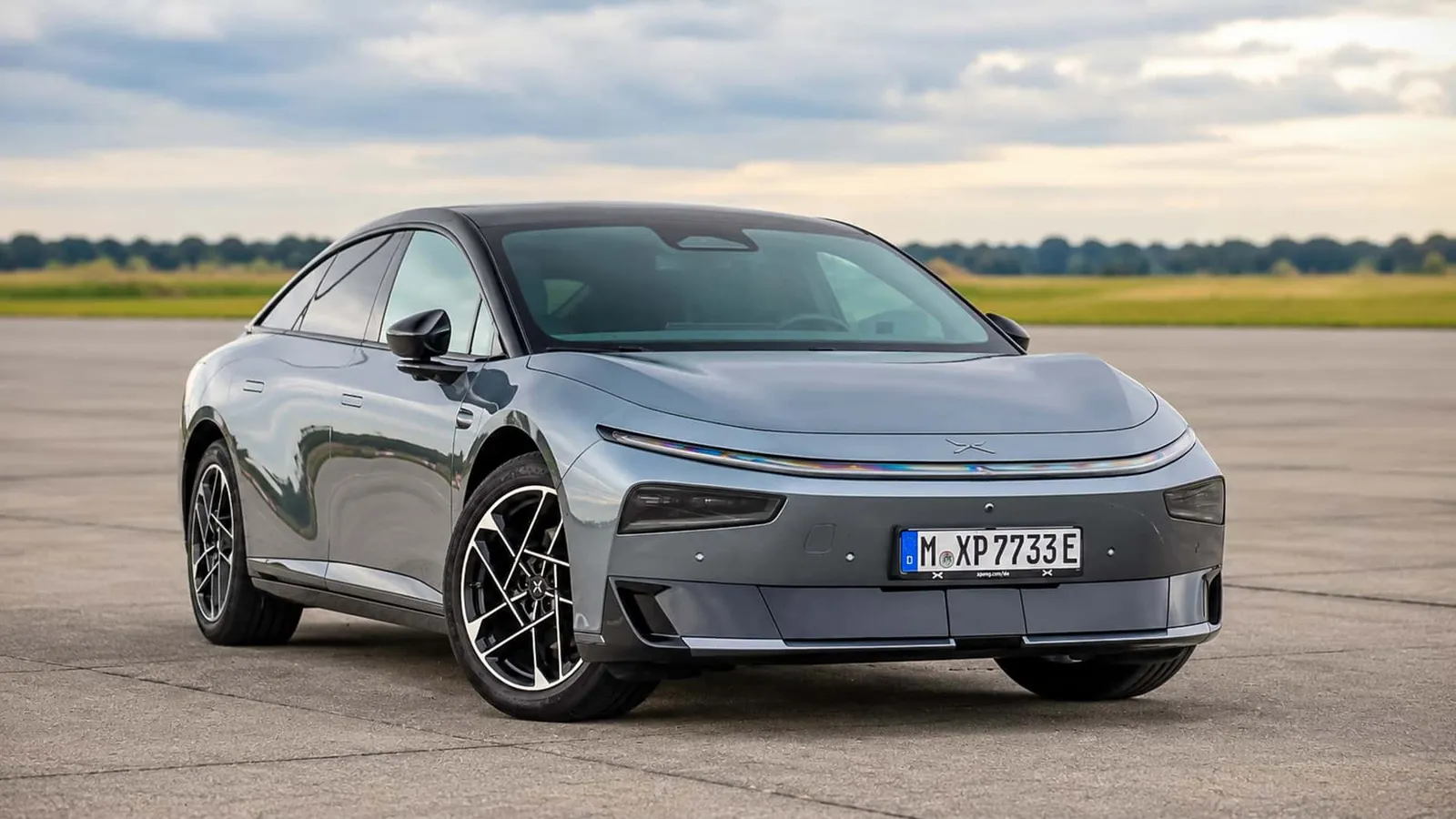
313 horsepower, a charging capacity of up to 446 kW, over five meters in length, and a range of features that even significantly more expensive luxury models struggle to match. The new XPeng P7+ arrives with an impressively confident overall package.
But can the Chinese manufacturer deliver not only impressive technical specs but also driving comfort, efficiency, and quality? We tested the P7+ Long Range extensively in everyday driving and on the highway, where we encountered some surprises.
Image Gallery: XPeng P7+ Long Range (2026) in Test
Quick Facts
XPeng P7+ Long Range
Powertrain
Rear-wheel drive, 230 kW (313 horsepower)
0-100 km/h
6.2 seconds
Range (WLTP)
530 km
Consumption (WLTP)
16.4 kWh/100 km
DC Charging Capacity
Up to 446 kW
Base Price for Long Range
49,600 euros including VAT
Body/Design | Interior | Power/Driving Experience | Fuel Consumption/Price | Conclusion
Body/Design
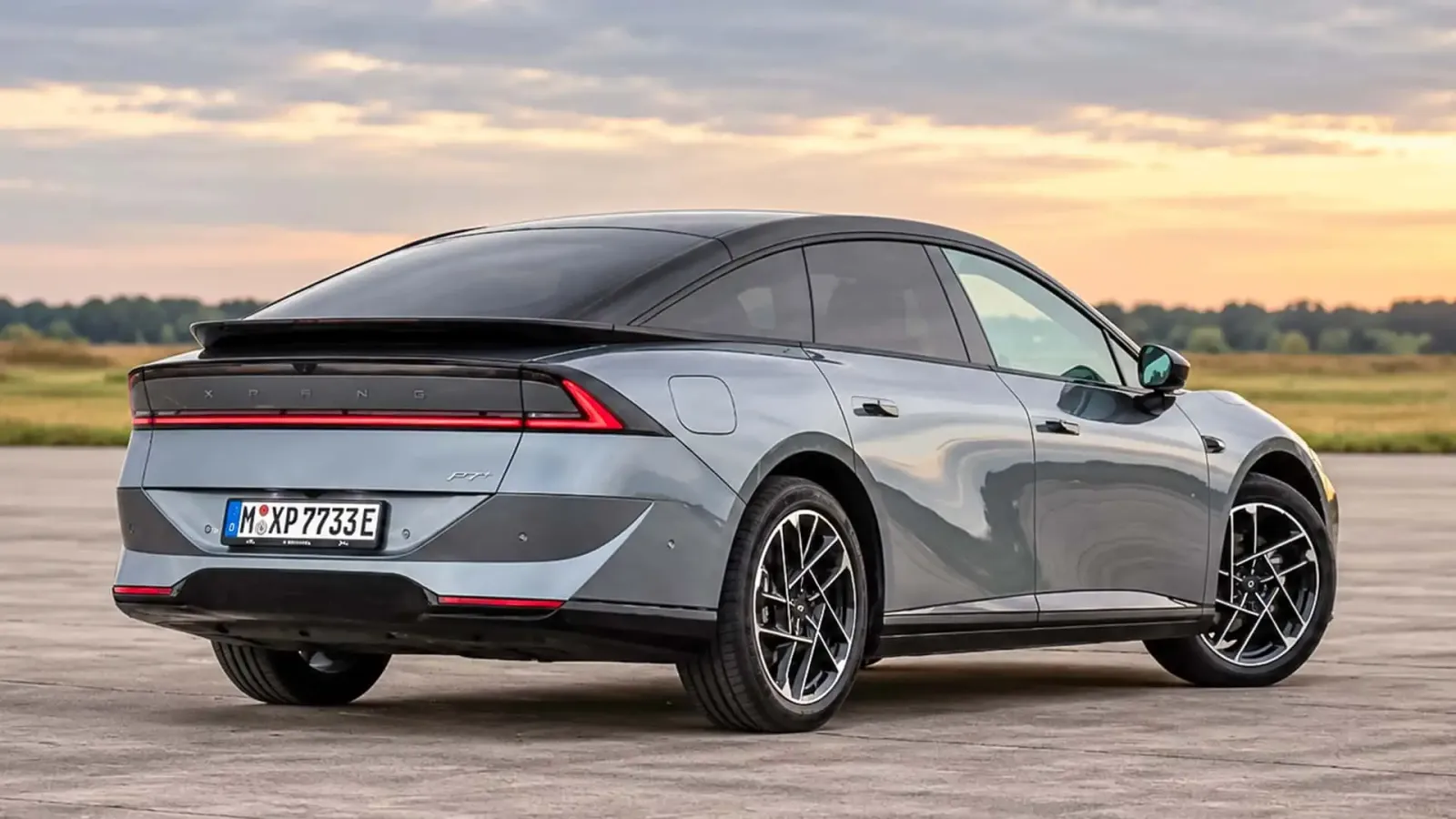
Restraint clearly isn’t one of XPeng’s designers’ strengths. While many manufacturers now focus on making their electric cars look as conventional as possible, the P7+ takes the opposite approach. With its elongated silhouette, flat front, and uniquely shaped rear, this sedan somewhat resembles a spaceship rather than a typical upper mid-range car.
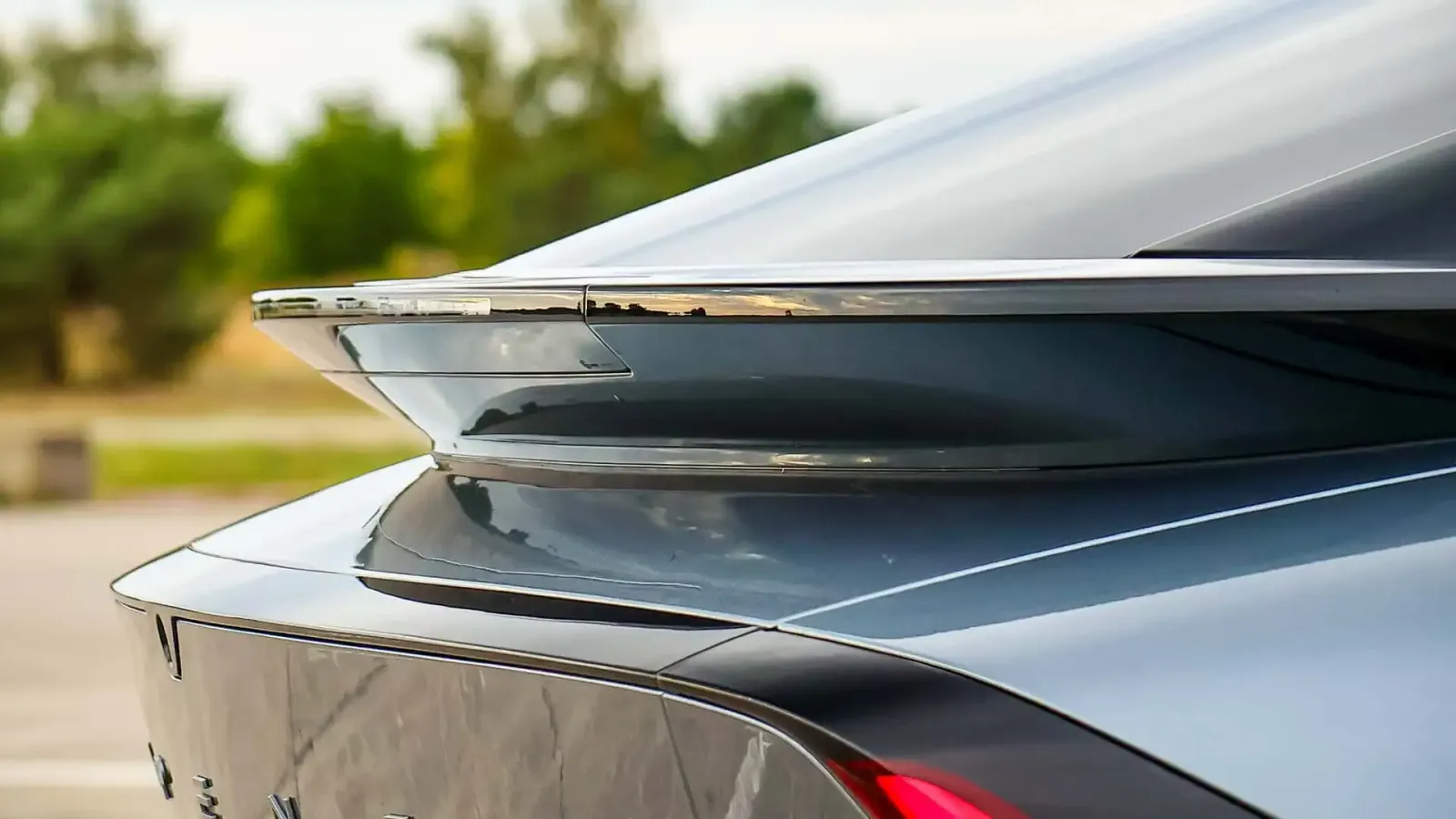
The rear end is particularly controversial. A prominent, sharply extended spoiler forms a kind of collar that gives the car a distinct finish. Whether this is aesthetically pleasing will likely spark plenty of discussion. We appreciate XPeng’s commitment to pursuing its own path. A bit of courage to embrace the unconventional certainly can’t hurt.
Images by: InsideEVs.de | Christopher Otto
Images from: InsideEVs.de | Christopher Otto
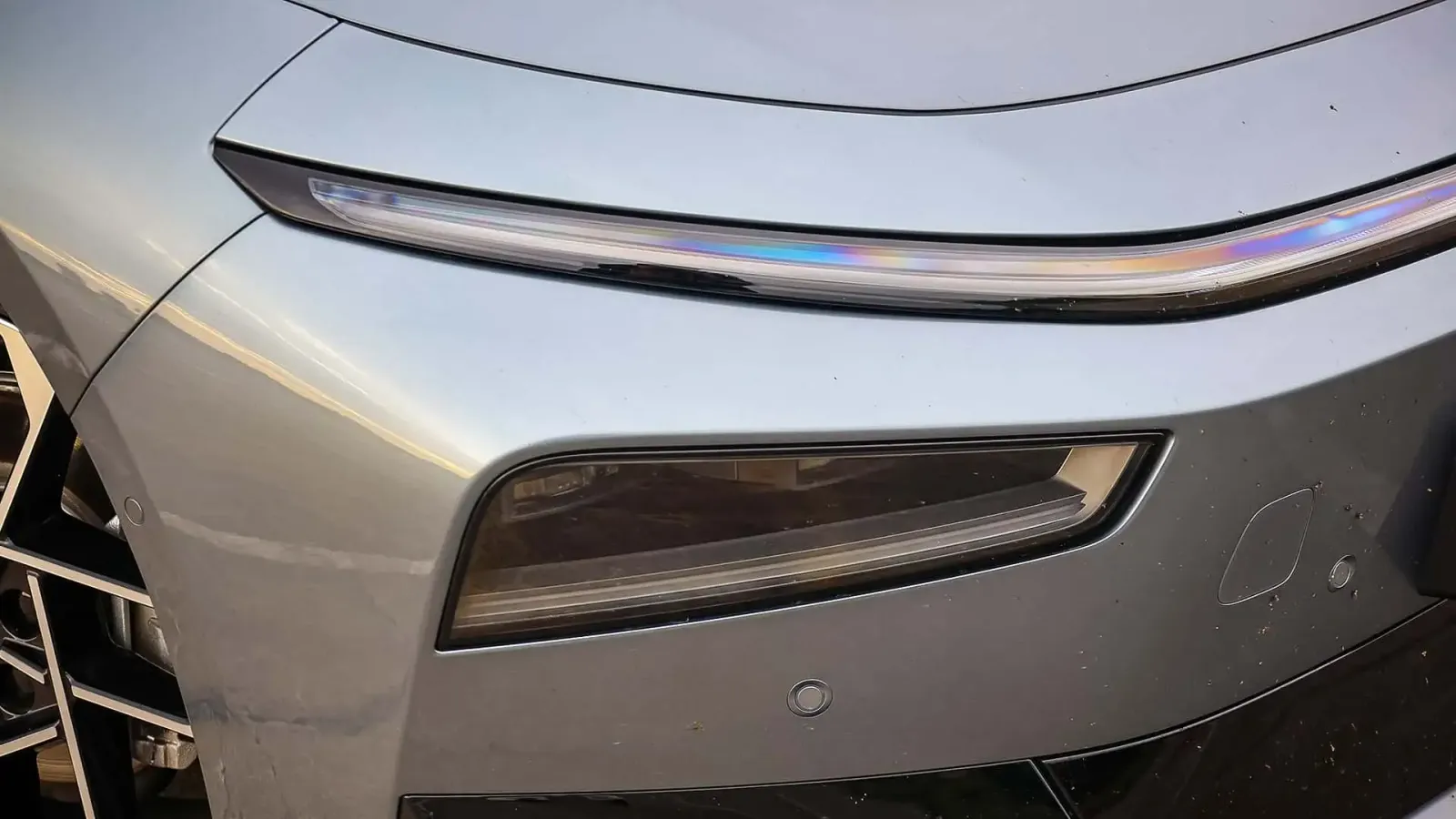
The front end appears almost arbitrary at first glance, but upon closer inspection reveals an extremely flat, nearly arrow-shaped design with prominent fenders and deeply mounted headlights. With a length of 5.07 meters, width of 1.94 meters, and wheelbase of three meters, the P7+ is also a substantial vehicle. Its drag coefficient of just 0.211 shows that its striking body design also offers excellent aerodynamic performance.
Dimensions & Weights
XPeng P7+ Long Range
Length / Width / Height
5,071 / 1,937 / 1,512 mm
Wheelbase
3,000 mm
Circumference
11.70 m
Trunk Capacity
573 to 1,931 liters
Weight without / with trailer hitch
2,100 / 2,125 kg
Towing capacity with brakes / without brakes
1,500 / 750 kg
Wheels
20 inches
Interior
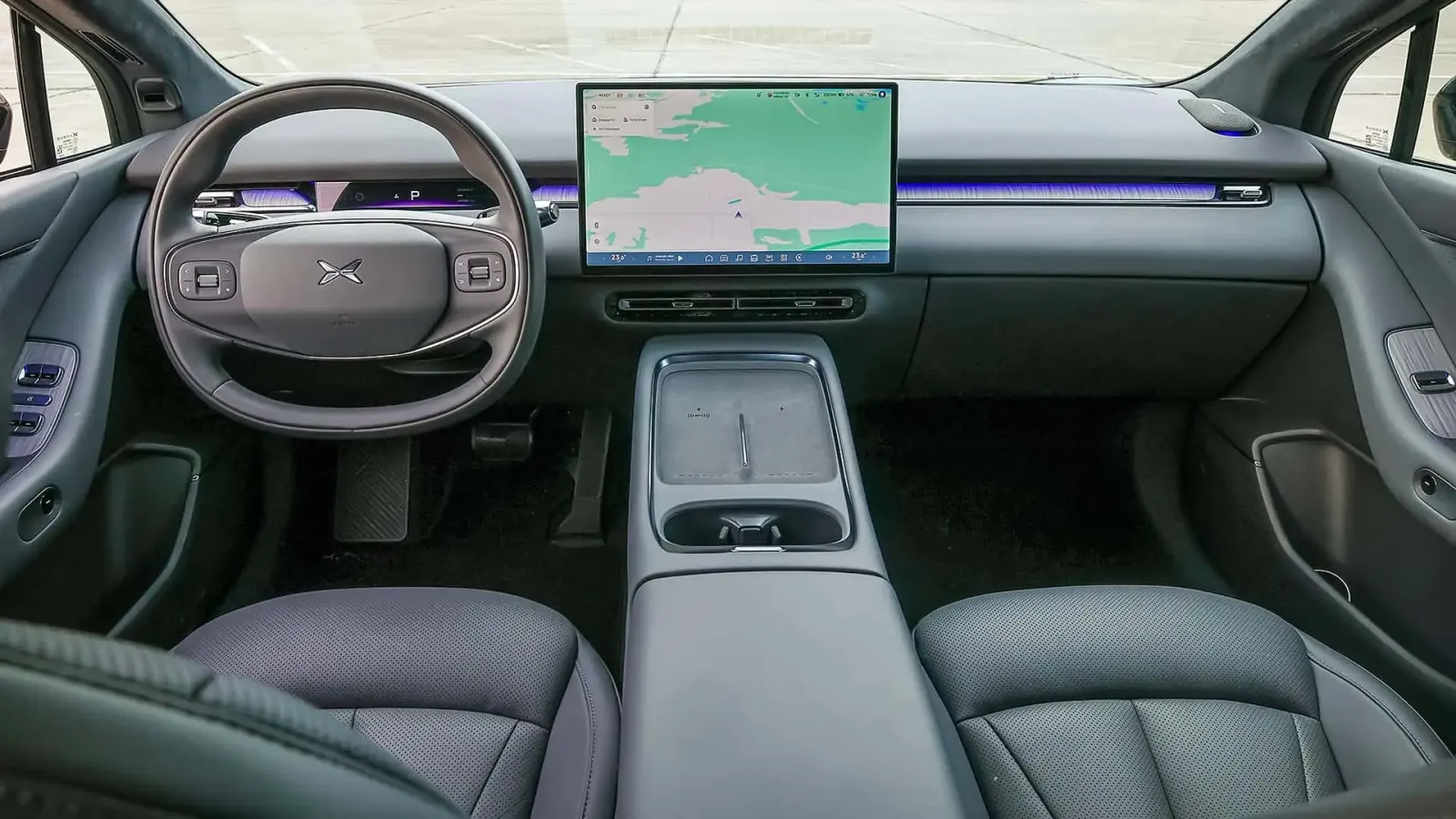
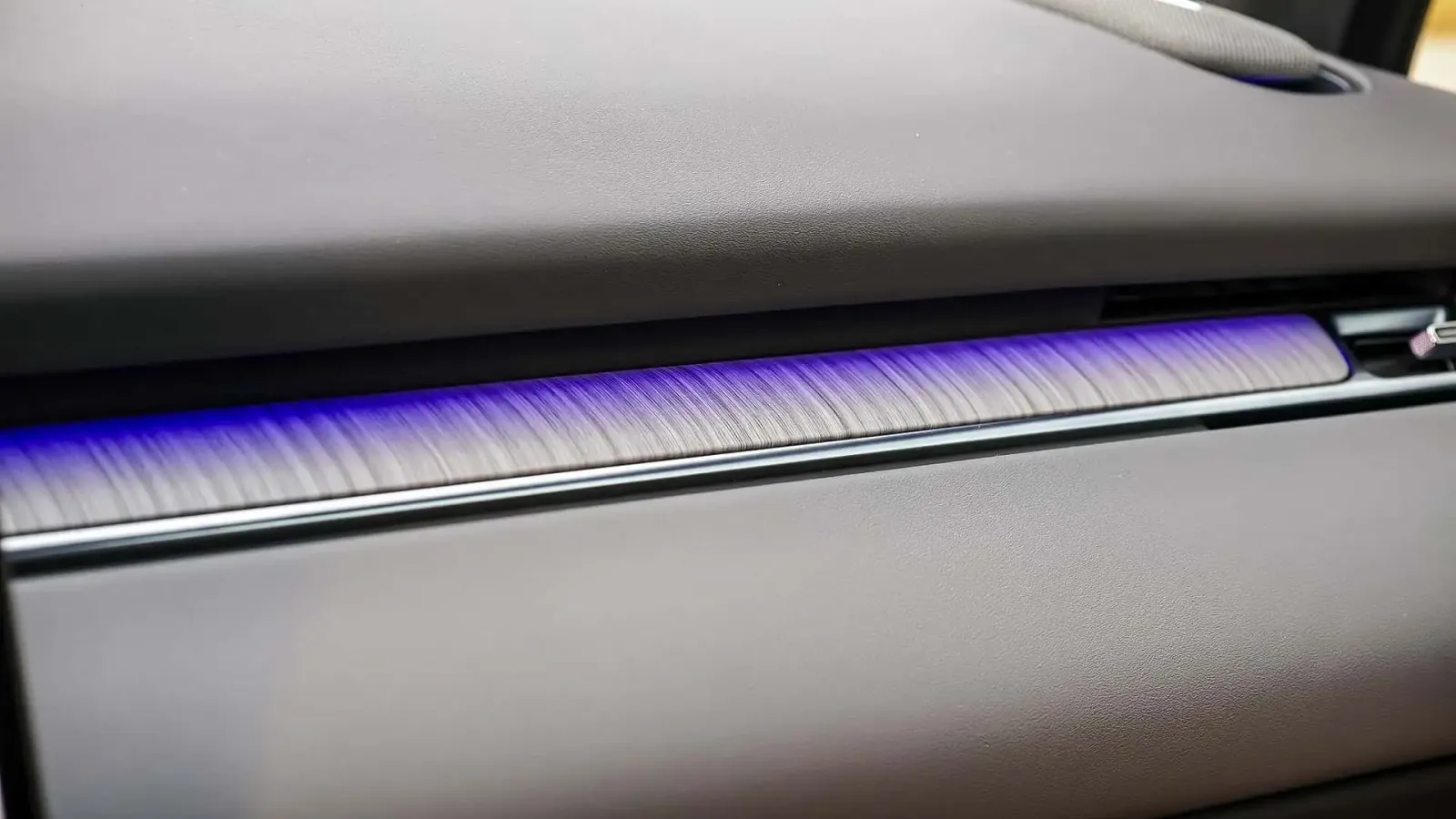
Those who expect a modestly equipped interior given the relatively low price might be surprised. XPeng has put considerable effort into material selection and features. Soft surfaces, decorative elements in a gray wood-like finish, a dark ceiling, and tasteful ambient lighting create an extremely pleasant atmosphere. Even the fabric-covered tweeters in the dashboard are illuminated.
The interior isn’t entirely flawless, however. A lot of hard plastic is used in the lower door trims and the double-layered center console. Most notably, the spacious storage areas lack a soft lining, causing items placed there to rattle noisily. Occasionally, the center console creaks as well, and occasional noises were heard from the rear interior area.
Images by: InsideEVs.de | Christopher Otto
Images by: InsideEVs.de | Christopher Otto
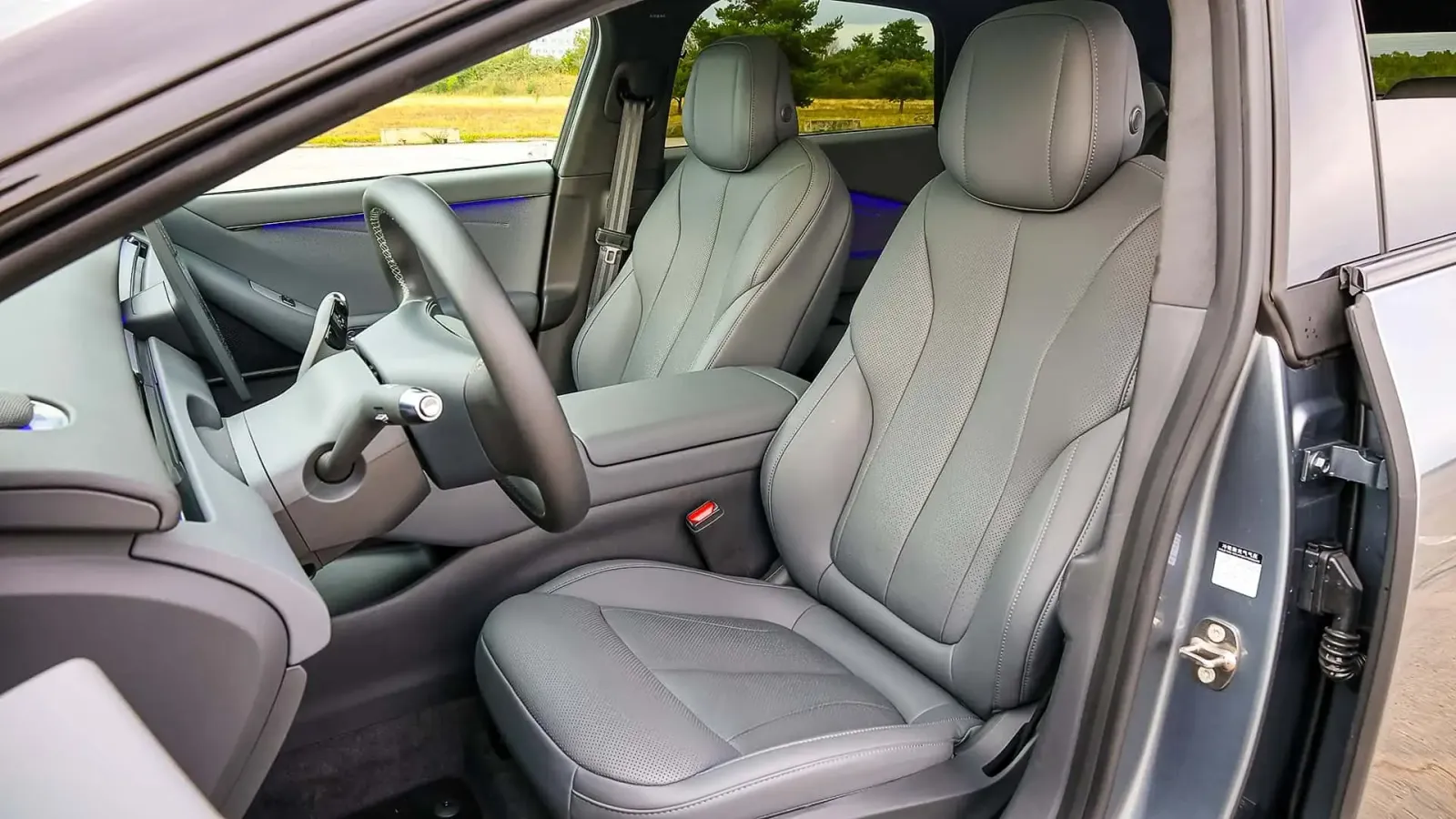
The seats make a fantastic impression. The soft nappa leather feels high-quality, the padding is excellent, and comfort remains top-notch even on long trips. However, the seats provide only moderate side support. As a compensation, XPeng equips both the front seats and the outer rear seats with heating, ventilation, and massage functions—a combination that is far from standard even in much more expensive vehicles.
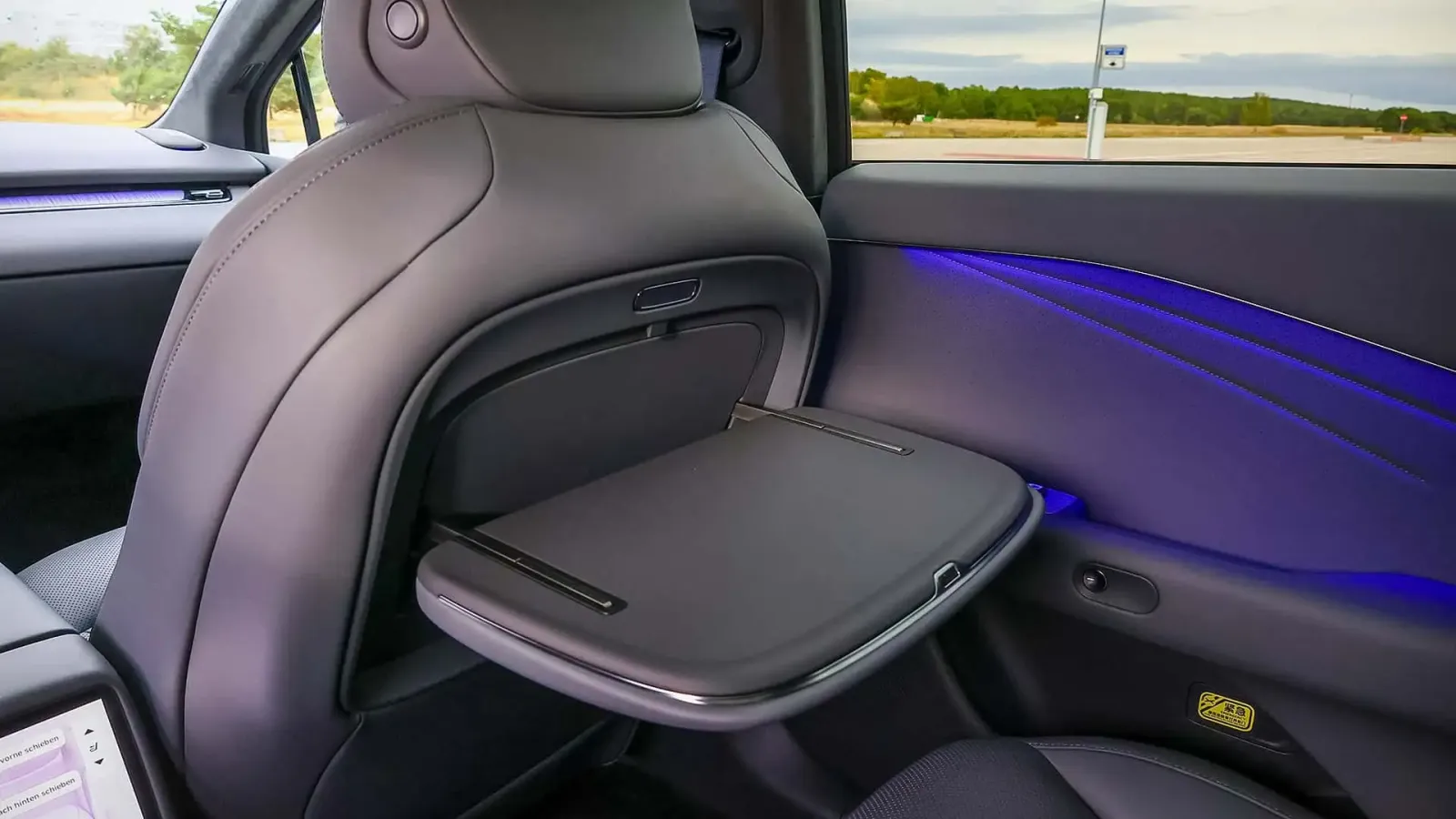
No one needs to worry about lack of space. The front area is generously sized, and the rear seat offers particularly impressive legroom. Fortunately, even with the battery in the floor, sitting is not uncomfortable because the knee angle is suitable. The electrically adjustable rear seatbacks are another welcome feature.
The trunk has a capacity of 573 liters, which increases to up to 1,931 liters when the rear seats are folded down. In addition, there is a spacious compartment under the load floor. However, neither a trunk lid nor a convenient foot control for the electric rear door is available.
Images by: InsideEVs.de | Christopher Otto
Images by: InsideEVs.de | Christopher Otto
The control concept follows well-known Chinese philosophy. As much as possible, everything is handled through the 15.6-inch central screen. Physical buttons are rare; at least classic steering wheel levers and manually adjustable vents remain. The infotainment system works well after a short adjustment period. Its text-based menu structures are clearer than the chaotic icon collections of some competitors.
A true highlight is the huge head-up display. It projects highly sharp information into the driver’s field of view, including a navigation map. Particularly clever is the ability to display camera images directly. For example, the blind spot camera appears right in front of the driver’s eyes. This is an excellent idea that other manufacturers should adopt.
The technology did not work completely error-free, however. Several times, the navigation display in the head-up display began to flicker or disappeared entirely. It is a reproducible software error that hopefully will be resolved with an update.
Photos by: InsideEVs.de | Christopher Otto
Photos by: InsideEVs.de | Christopher Otto
The operation of some assist functions is less intuitive. While the P7+ offers the option to turn off distracting warning signals with a single tap right after starting driving, if this opportunity is missed, one must navigate deep into the vehicle settings. Practical direct access options are lacking.
The excellent 360-degree camera deserves much praise, as its view of both sides of the vehicle greatly simplifies parking. Additionally, there are two spacious, actively cooled smartphone chargers, each with 50 watts of power. The occasionally unconventional recessed door handles and the glove compartment, which can only be opened via the touchscreen, are less convincing.
Image by: InsideEVs.de | Christopher Otto
Power/Driving Experience
The electric motor delivers 313 horsepower or 230 kW along with 450 Nm of torque to the rear wheels. According to the manufacturer, this enables the P7+ Long Range to accelerate from 0 to 100 km/h in 6.2 seconds and reach an official top speed of 200 km/h. We measured around 206 km/h using GPS, while the speedometer already indicated 213 km/h.
Despite its impressive performance, the XPeng is by no means one of those electric cars that aim to impress passengers with aggressive acceleration at every turn. The power delivery is remarkably gradual, even in sport mode. Especially when starting, the accelerator pedal requires a firm press before the engine delivers its full power. Overall, this restrained character fits perfectly with the car’s overall nature.
Image by: InsideEVs.de | Christopher Otto
The P7+ is above all one thing: an exceptionally comfortable touring car. Its adaptive steel suspension with electronically regulated dampers performs remarkably well. Crosswinds, minor unevennesses, and large road bumps are effectively mitigated without causing unnecessary oscillation of the body. This combination of soft suspension and excellent noise suppression is not something every manufacturer can achieve.
We hardly missed a pneumatic suspension. The sound insulation is also impressive. Even with frameless side windows, the P7+ remains remarkably quiet. Local wind noises are minimal, and even at higher speeds on the highway, the noise level stays pleasantly low.
The steering lacks enthusiasm. In comfort mode, it operates extremely smoothly but also quite insensitively. In sport mode, more effort is required without significantly improved feedback. At very high speeds, the tuning fails to convey the confidence one might expect from a BMW i5.
Image by: InsideEVs.de | Christopher Otto
The assist systems present a similarly mixed picture. The automated lane change functions unusually quickly, and the adaptive cruise control adjusts decisively in a pleasing manner. At normal highway speeds, the steering assistant gives a good impression. However, as speed increases, its performance becomes more frantic, and the use of these assist functions is limited to speeds up to about 150 km/h.
Savings were also made in terms of lighting technology. Although LED headlights are standard, matrix functions or dynamic corner lighting are unavailable. The high beam automation sometimes responded too slowly, and the illumination level seemed a bit low to us. It’s possible that the specific headlight settings of our test vehicle played a role here.
Technical Specifications
XPeng P7+ Long Range
Engine
Permanent magnet synchronous motor
Power / Torque
230 kW (313 HP) / 450 Nm
0-100 km/h / Top Speed
6.2 s / 200 km/h
Battery / Gross Capacity
LFP / 74.9 kWh
Range / Consumption (WLTP)
530 km / 16.4 kWh/100 km
Architecture / Charging Port
800 Volts / CCS2
AC / DC Maximum
11 / 446 kW
DC charging time to 20-80 percent
10 minutes (manufacturer’s specification)
Suspension
Dual wishbone front, multi-link rear; adaptive dampers
Consumption/Price
Let’s turn to the P7+’s main selling point. The lithium iron phosphate battery has a gross capacity of 74.9 kWh and is said to provide a range of 530 kilometers according to WLTP standards. XPeng reports a standard consumption rate of 16.4 kWh/100 km. For a sedan over five meters long and weighing around 2.1 tons, these are respectable figures.
Our practical testing results were even more interesting. In mostly urban driving conditions, the onboard computer occasionally showed only 11 to 13 kWh/100 km. Over nearly 100 kilometers of mostly city driving, the consumption was 12.8 kWh/100 km. That is remarkably low.
Image from: InsideEVs.de | Christopher Otto
The XPeng also performed well on the highway. At speeds mostly between 110 and 130 km/h, its fuel consumption averaged around 16 kWh per 100 km. When driving faster, sometimes at speeds of 140 km/h or higher, it reached around 21 kWh. It wasn’t until longer stretches of high-speed driving at top speeds that the figure climbed to just under 26 kWh per 100 km.
Almost even more impressive is its charging performance. Thanks to its 800-volt architecture, XPeng claims a maximum DC charging capacity of an incredible 446 kW. Under optimal conditions, it says only ten minutes are needed to go from 20% to 80% charge. At first glance, this sounds like one of those impressive marketing claims that can only be achieved under laboratory conditions in real life.
Our test taught us a different lesson. Even during the first charging stop with around 50 percent battery remaining and without any prior conditioning, approximately 260 to 265 kW was delivered immediately. On the second attempt at a 350-kW charger, the XPeng actually reached its full capacity within just a few seconds. Around 38 kWh was charged in only seven minutes. We were unable to determine whether the vehicle could achieve its promised 446 kW under optimal conditions due to the lack of a suitable charger.
Image source: InsideEVs.de | Christopher Otto
And what about the price? XPeng charges 49,600 euros for the Long Range version, including an adaptive suspension, head-up display, Nappa leather, and a range of comfort features.
The competition demands more. The VW ID.7 Pro starts at officially 54,505 euros, while the MG IM5 begins at 53,990 euros. German premium manufacturers charge significantly more. Mercedes asks for at least 65,171.78 euros for the EQE sedan, and BMW even demands 70,900 euros for the i5 eDrive40. Note that these are list prices without promotional discounts or additional special features.
Conclusion
Outstandingly fast charging performance
Excellent suspension and noise comfort
Unusually low fuel consumption
Spacious interior with comprehensive equipment
Aid systems are not fully reliable at high speeds
Complicated operation of individual functions
Simple headlight technology
Small manufacturing defects and impractical design details
The XPeng P7+ Long Range is one of those electric cars that makes you wonder, after driving a few hundred kilometers, why established competitors charge significantly more for similar performance. Of course, it has its weaknesses. The steering could be more responsive, the headlights could have been better designed, and some of the control systems seem unnecessarily complicated.
Yet all of this little changes the fact that XPeng has created an impressively convincing long-range vehicle here. The driving comfort is excellent, the interior space is generous, and the efficiency is remarkable. And when the battery eventually runs out, ideally a surprisingly short coffee break is all that’s needed. Those who can accept its unique design will get an outstanding amount of electric car performance for their money.
More electric sedans: