
Xpeng L03 as an attempt to triumph over German automakers, concerns among Xpeng P7+ buyers, announcement of building 4,000 charging stations
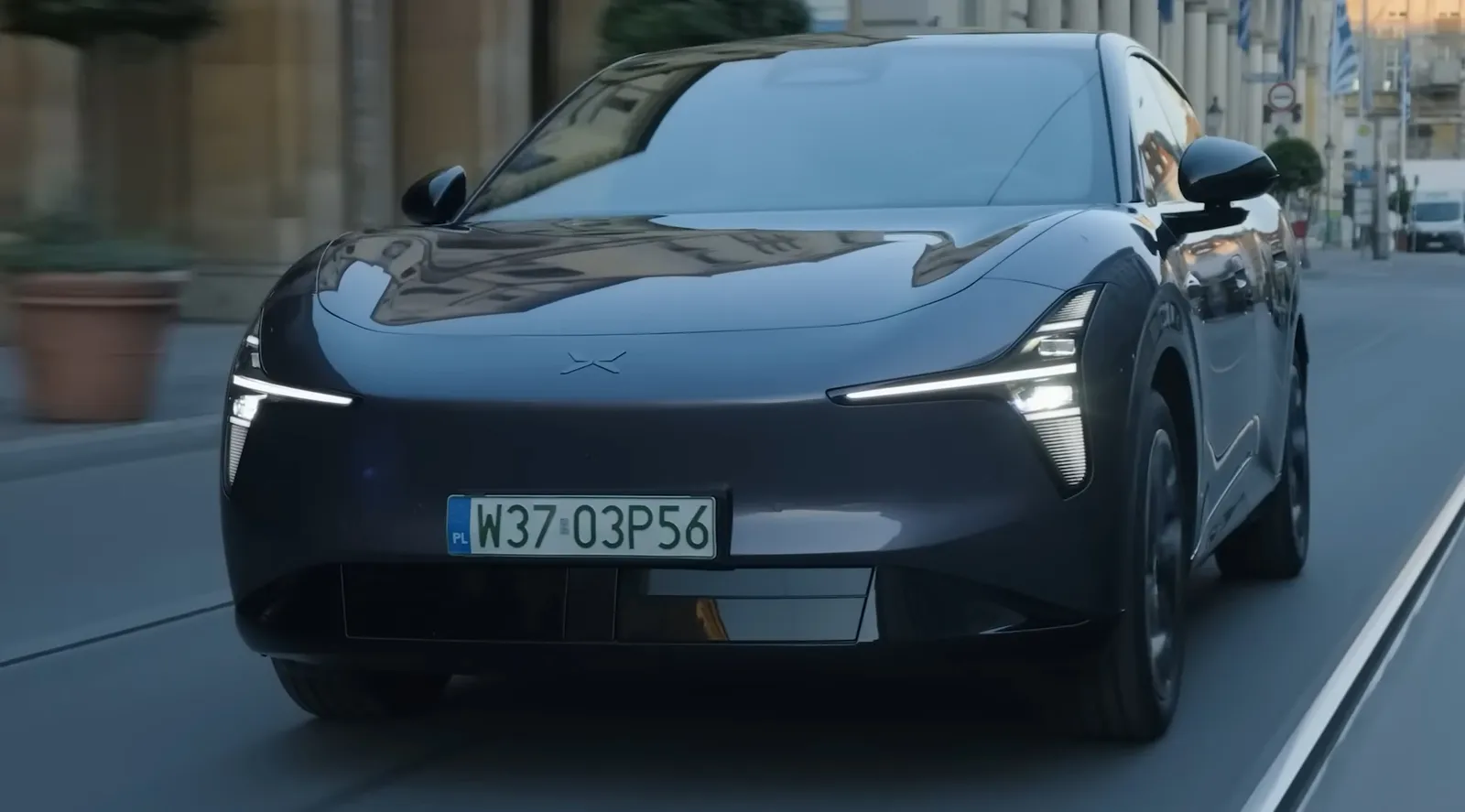
The global debut of the Xpeng L03 took place in Munich, Germany, not by chance. Some of the journalists invited to the event had views from hotel windows of BMW’s headquarters, as if the Chinese manufacturer wanted to emphasize that it was making its debut in Europe’s automotive capital and also in the hometown of its [dreamed-of] main competitor. But several other interesting details emerged during the presentation, including one that caused concern among buyers of the Xpeng P7+.
Xpeng L03 with competitors to FSD (Supervised): Next Generation Pilot, NGP VLA 2.0
Table of Contents
Xpeng L03 with competitors to FSD (Supervised): Next Generation Pilot, NGP VLA 2.0
Ultra-fast chargers by 2028
Xpeng vehicles come with several versions of autopilot systems: Xpilot Assist is the traditional driver-assistance mechanism, representing the current level 2 autonomy. We had mixed feelings about it, but an update was released a few months ago that should address the issues we mentioned. Meanwhile, in China this year, a new generation of software called Next Generation Pilot, or NGP, also referred to as VLA 2.0 based on the model it was trained on, has been made available. NGP/VLA 2.0 aims to be equivalent to Tesla’s FSD (Supervised) system, meaning level 2.99–almost-4 autonomy.
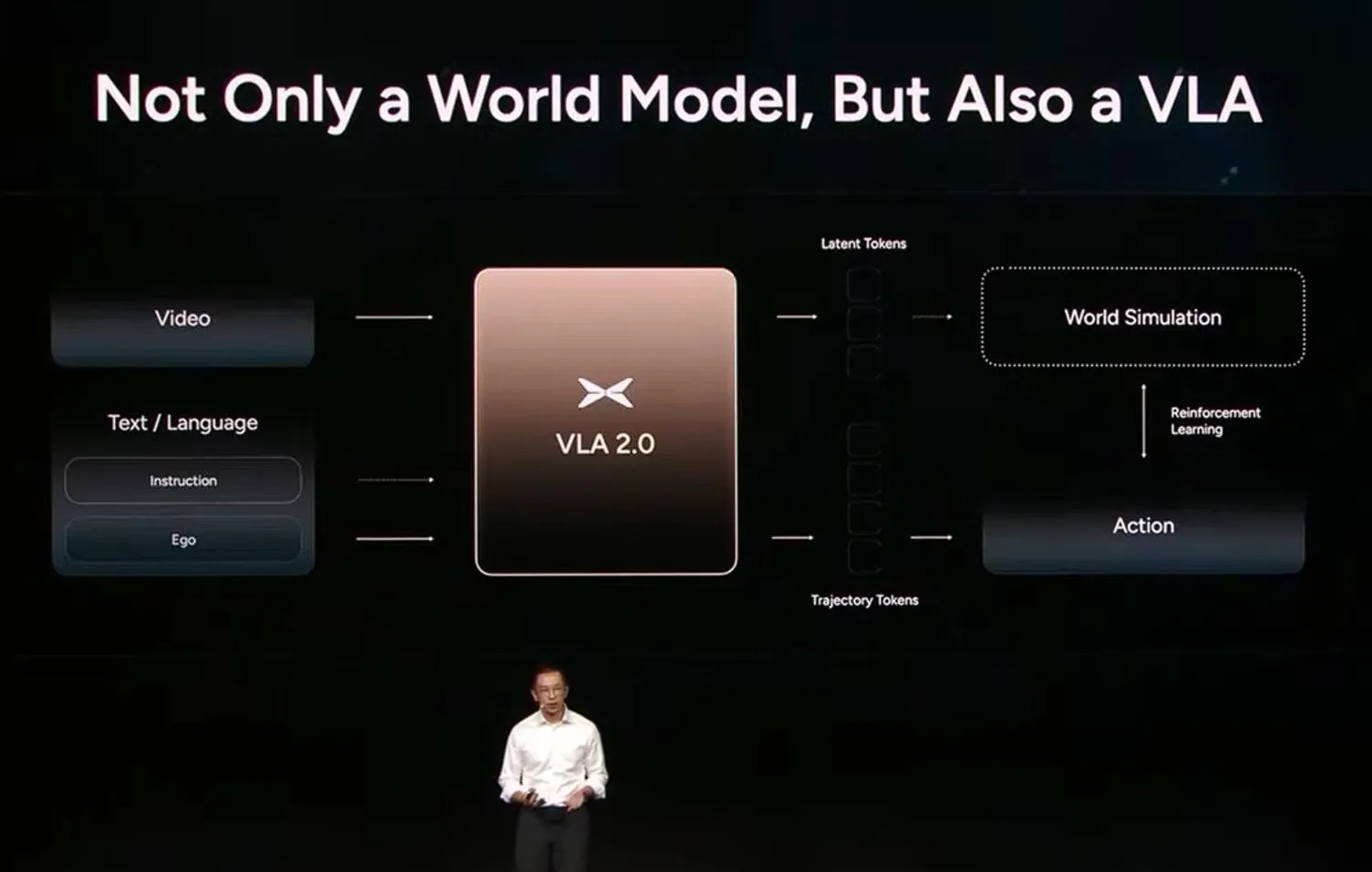
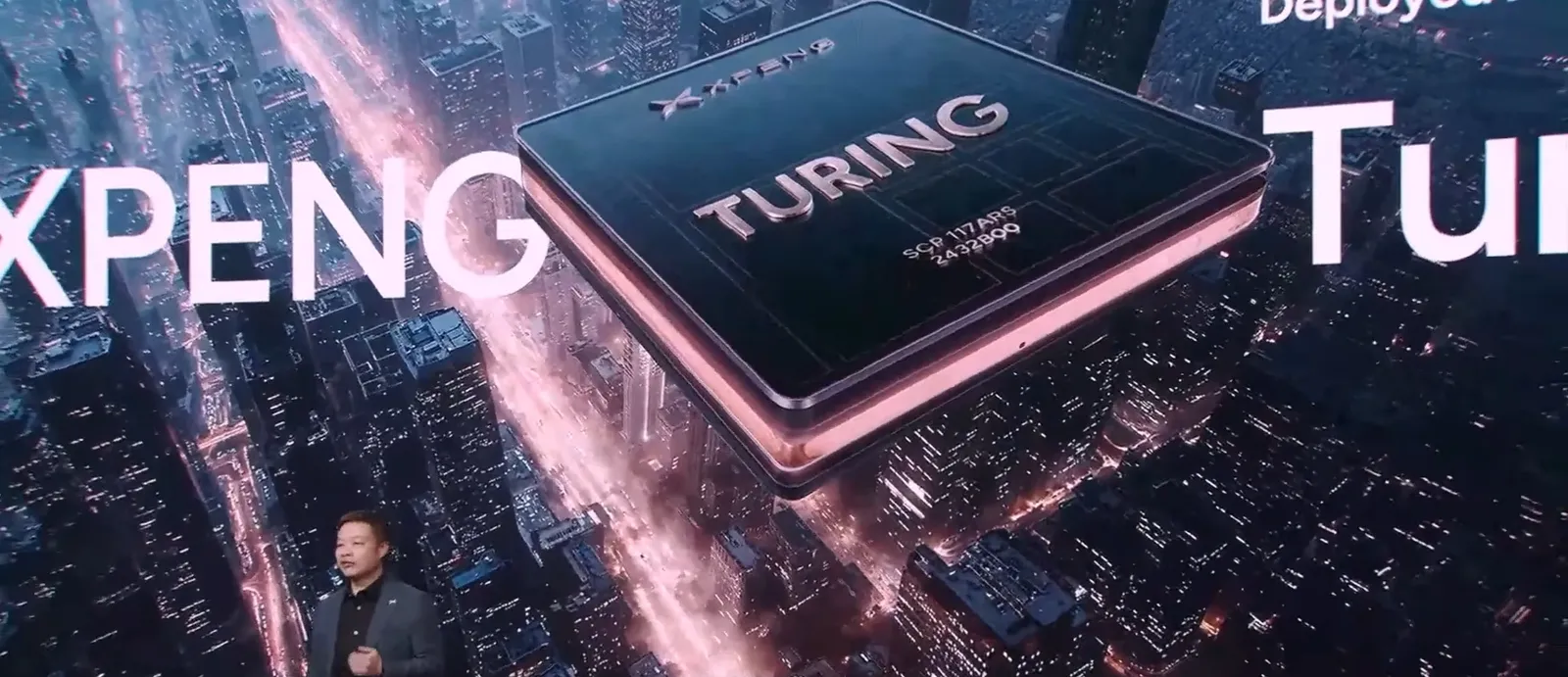
In the Middle East, the VLA 2.0 requires one Turing chip, and all versions of the Xpeng L03 /in China: Xpeng Mona L03/, even the cheapest ones, come equipped with it. In Europe, it’s different: only the most expensive Xpeng L03 AWD Performance Ultra variant has two Turing chips, while the rest have none at all. This is unlike Teslas, which come standard with an FSD computer. A buyer of a car without Turing chips will be able to skip a large portion of the presentation focused on VLA 2.0 on European roads, as they will never have access to the system:
In Munich, I spent some time driving the XPENG L03 and testing the performance of our Next Generation Pilot (NGP) system with @liuxianming. The results amazed me.
Take a look at what we’re bringing to European users, an intelligent driving experience designed for local traffic rules… pic.twitter.com/UDXSDtXjdk
— Xiaopeng He (@xiaopenghexpeng) July 17, 2026
The fact that the European version of the Xpeng L03 comes with two processors instead of one, along with an Xpeng engineer’s comment that road conditions on the Old Continent pose a challenge, has worried some owners of the Xpeng P7+. This latter model only has one such system, so anyone who bought it hoping to use the promised VLA 2.0 by 2027 in Europe might be disappointed.
The Xpeng L03 with registration W37 03P56, indicating vehicle homologation in Poland, which drove in Germany and was used in the advertisement (c) Xpeng
Ultra-fast chargers by 2028
During the launch of the Xpeng L03, the manufacturer announced that it would establish a charging station network of 4,000 locations in Europe by 2028. These stations will feature chargers with a capacity of up to 1 MW (ultra-fast), even in networks offering less than 240 kW, thanks to the use of Xpeng’s energy storage systems (illustration below). With 4,000 charging points—assuming 1–2 points per charger and an average of 6 points per station—this translates to 666 locations.
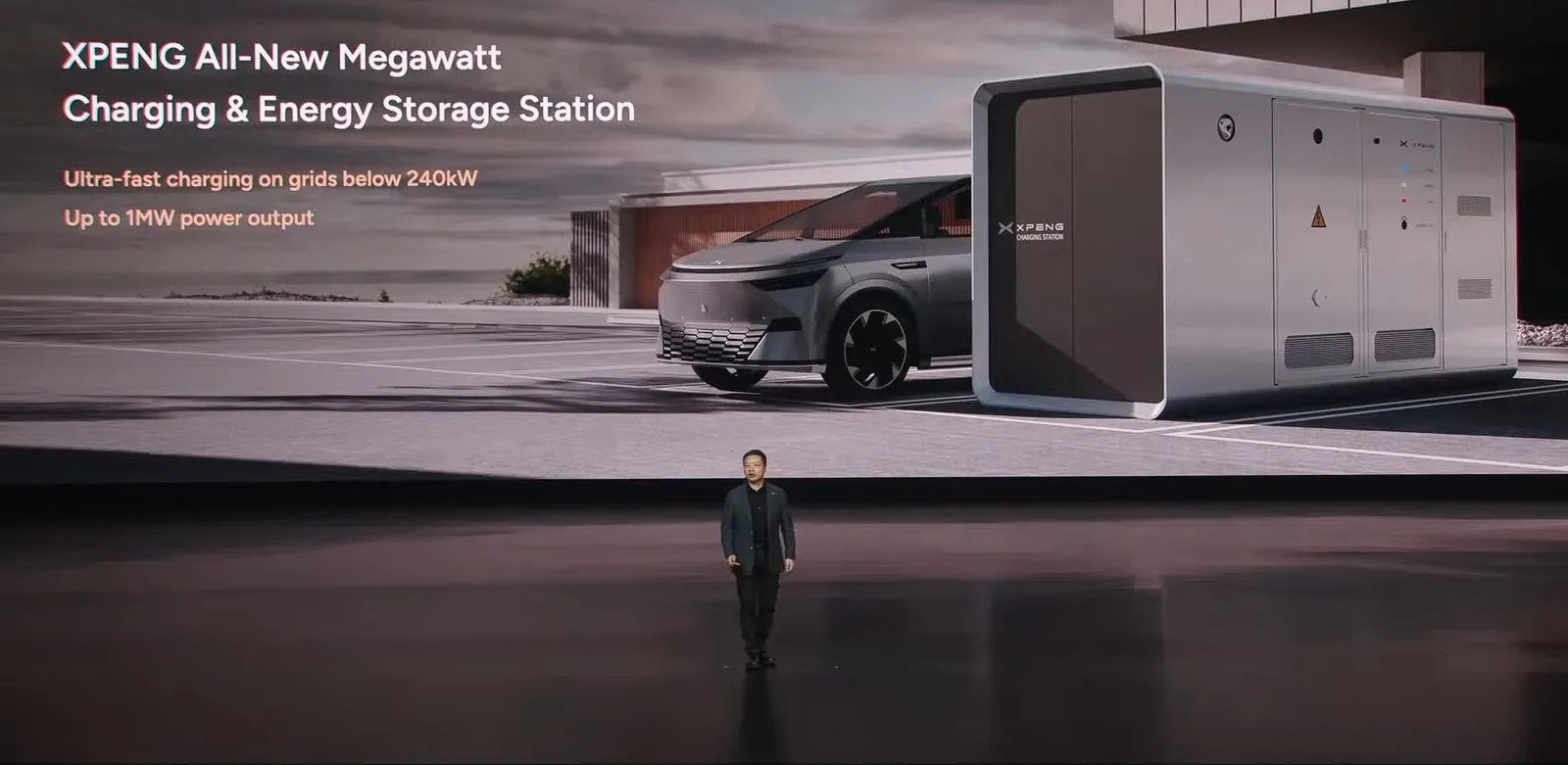
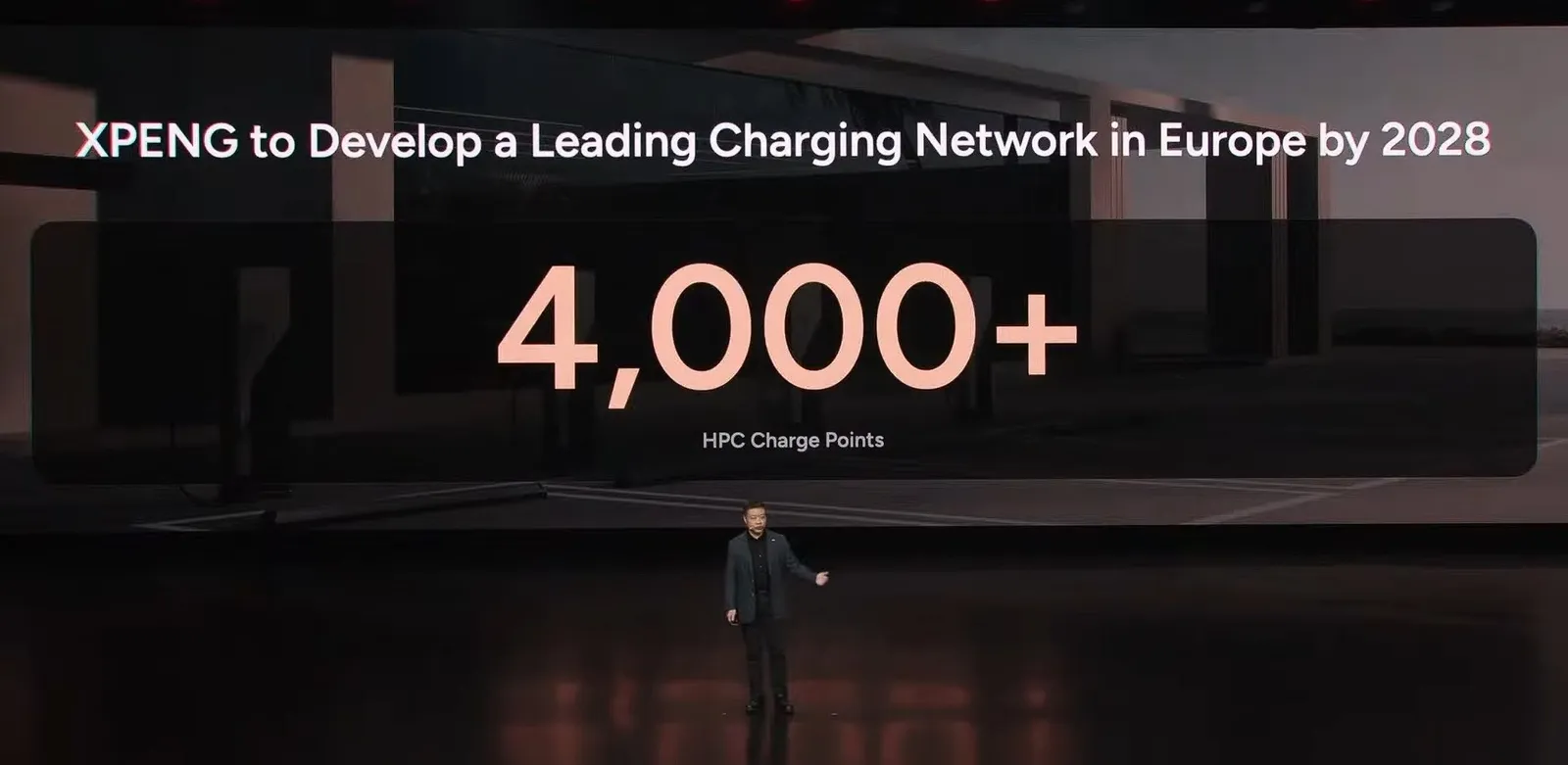
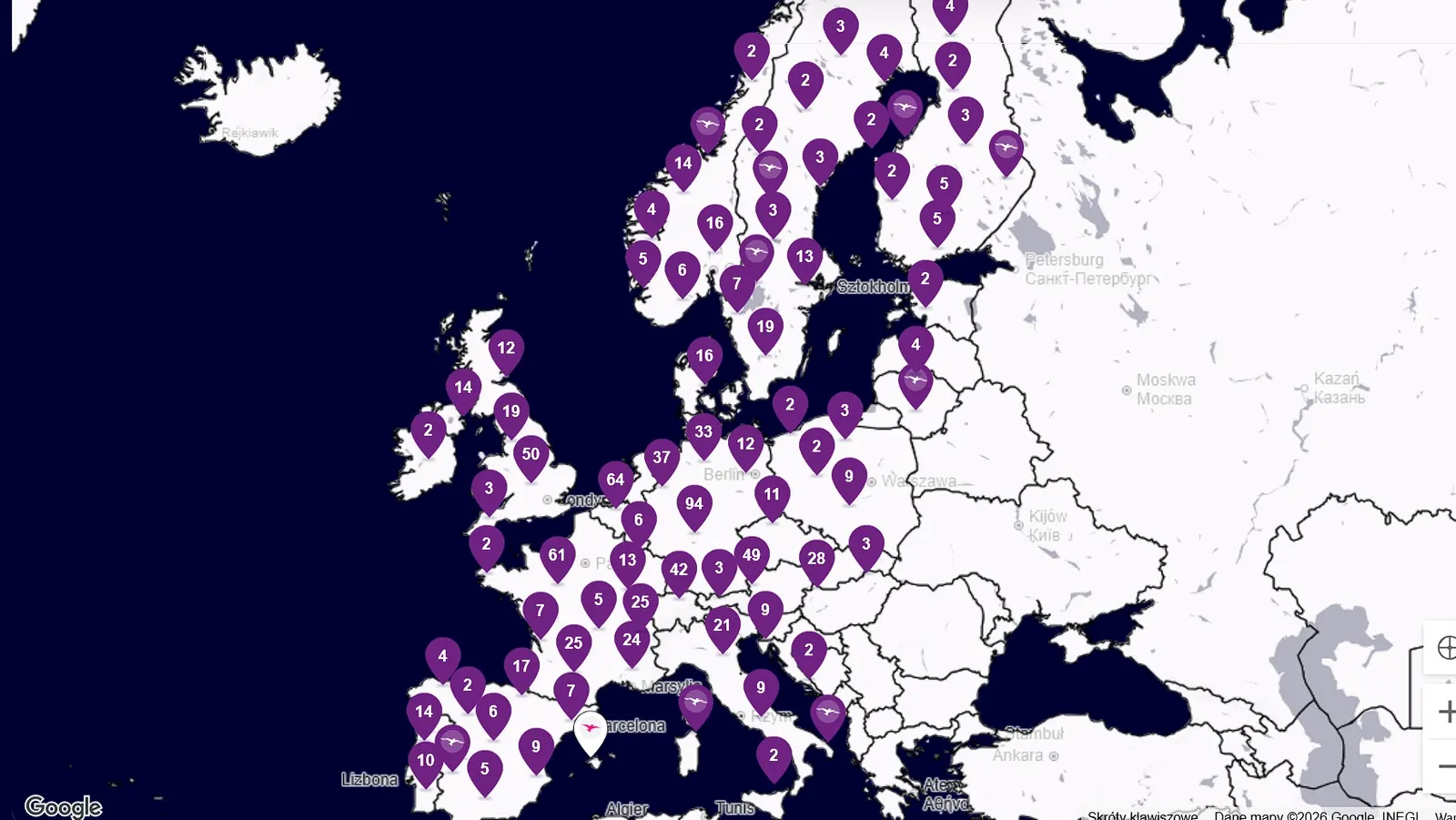
If the company were to attempt building large hubs with 8-10 charging stations each, the network would need to have 400-500 locations. For comparison, Ionity in Europe has 878 locations with 6,316 charging points, meaning its network is about 1.5 times larger than Xpeng’s plans by the end of 2028. It looks like this:
Article rating
Reader ratings
[Total: 14 votes Average: 2.1]
Don’t miss new content—CLICK and FOLLOW Elektrowoz.pl on Google News. You might also be interested in the following ads: