
Xpeng gets green light for its Level 4 robotaxis and is already in talks with European platforms
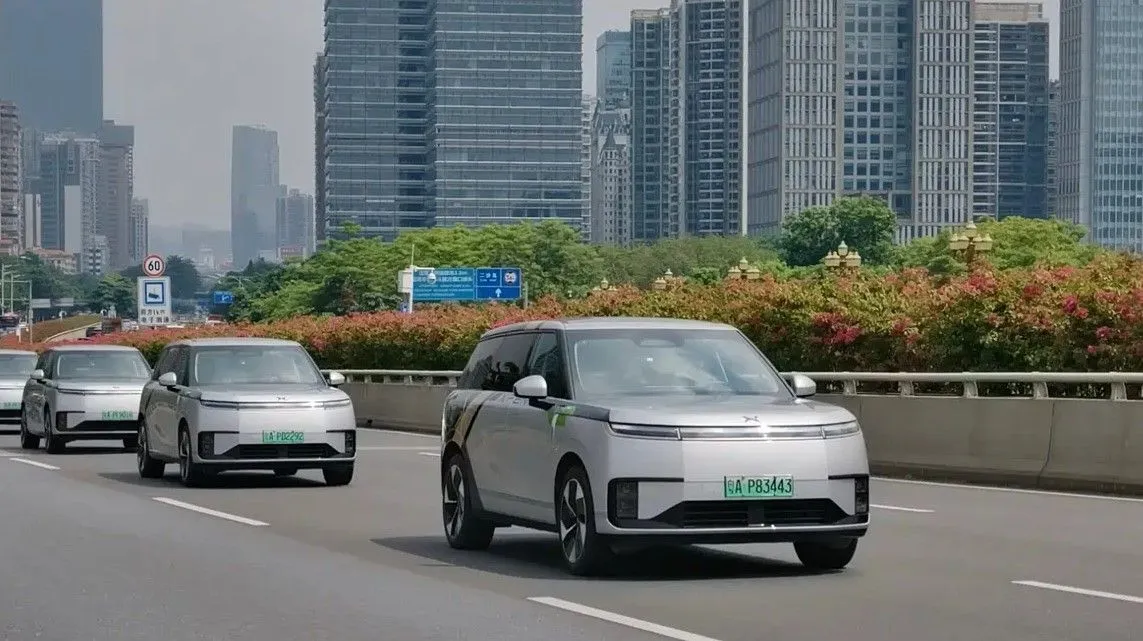
Xpeng takes another step toward turning its autonomous driving technology into a real transportation service. The company has obtained approval that will allow it to move beyond testing its vehicles and begin testing everything related to a robotaxi: from receiving a ride request to picking up passengers and handling unexpected situations during the journey.
The manufacturer announced that it has the authorization to conduct demonstration operations with Level 4 robotaxis in Guangzhou. According to Xpeng, the approval covers the entire city, though this does not mean the service will be available immediately on all streets. Deployment will be gradual, and during this initial phase, users will still need an invitation code to access it.
The distinction is important. What has been announced is an approval for a demonstration service, a step that will allow testing both the technology and its operational functionality. It does not, on its own, equate to the opening of a unrestricted commercial network. Xpeng views this phase as an opportunity to determine whether it can provide consistent service and develop a sustainable business model.
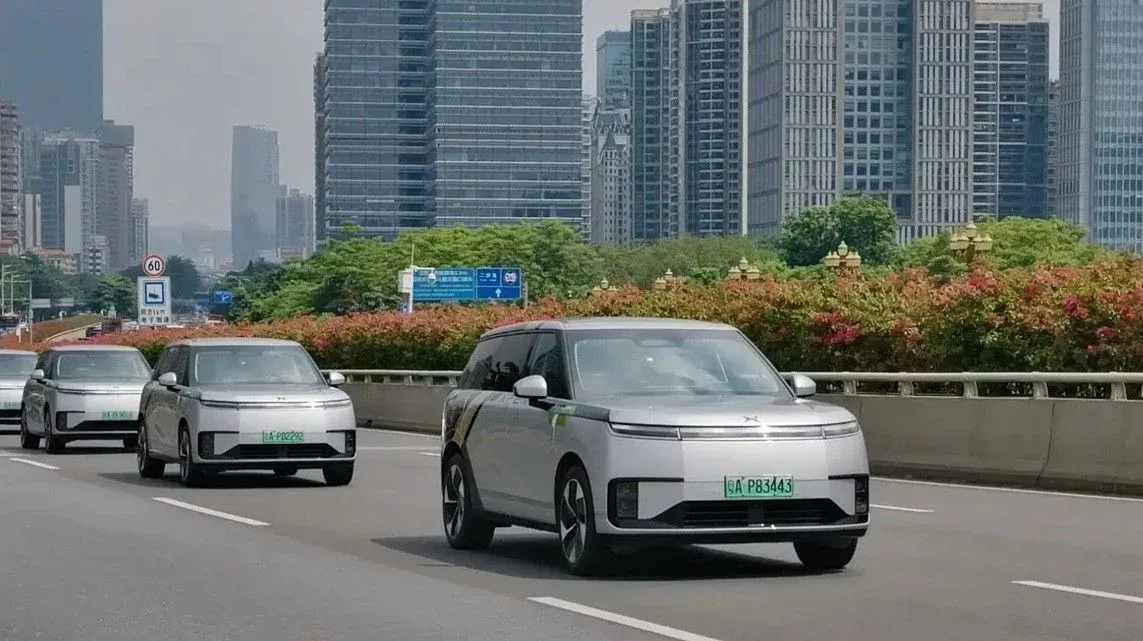
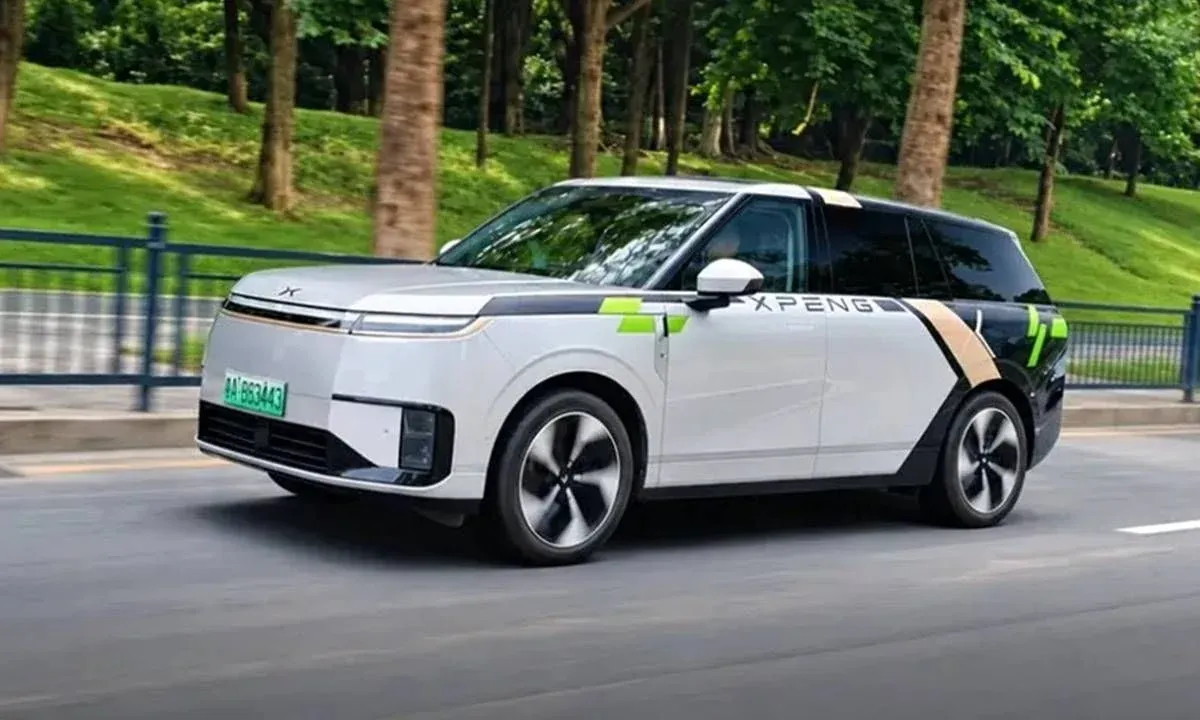
The protagonist is the Xpeng Youyou, developed based on the Xpeng GX. The company presents it as China’s first production-ready robotaxi with an entirely self-developed technology stack. This claim by the manufacturer highlights its ability to integrate the vehicle, processors, and autonomous driving system into a single cohesive project.
On the computing front, it features four self-developed Turing chips with an announced effective computing power of 3,000 TOPS, along with Xpeng’s second-generation VLA model. The strategy is to leverage the work done on its production vehicles to advance toward Level 4 autonomous driving applications by reusing a common technological foundation.
The challenge begins when services need to be provided daily
Getting the car to complete a route is only part of the task. For a robotaxi to be useful, it also needs to respond to requests, reach the correct pickup point, coordinate with the rest of the fleet, and handle issues. A driving system can perform well yet still provide a poor experience if passengers cannot find the car or if waiting times are too long.
Therefore, Xpeng will use this phase to adjust pickup and drop-off procedures, vehicle allocation, and support for various transportation needs. Experience with users will help determine how well these processes function in real conditions and what changes are needed before expanding the service’s coverage.
The company also aims to gather data on vehicle usage, fleet efficiency, and service costs. These are less eye-catching figures than processor power but are essential for assessing the project’s economic viability. Having vehicles capable of operating autonomously does not automatically resolve questions about the cost of keeping them operational or how many trips they can make.
Guangzhou will also serve as a reference for future deployments. Xpeng aims to reuse its artificial intelligence models and technology in various driving environments, reducing the specific work required for each new city. For now, this ability to transfer the system from one market to another is a goal that must be proven through accumulated experience.
The international expansion plans also include Europe. According to the official statement, Xpeng is in talks with major European mobility platforms. Its approach is to supply cars and technology to local partners who will operate the fleets, generating revenue from vehicle sales, technological services, and commissions. No specific operators or European launch dates have been announced yet.
That strategy would allow Xpeng to rely on companies that already understand their respective markets, while focusing its efforts on product development. But expanding internationally requires proving that what was learned in Guangzhou also works under different traffic conditions, user habits, and local requirements. The Chinese approval represents progress for the project; the next challenge is to provide a reliable service and demonstrate that the finances are in order.