
The Xiaomi YU7 GT driverless (!) car completed the Nürburgring in 10:29.4 minutes [video]. 3 minutes slower than a professional driver. For now
![The Xiaomi YU7 GT driverless (!) car completed the Nürburgring in 10:29.4 minutes [video]. 3 minutes slower than a professional driver. For now](https://api.ev-route.com/storage/news/2026-06/xiaomi-yu7-gt-bez-kierowcy-pokona-o-n-rburgrin-1.webp)
A video of the Xiaomi YU7 GT driving a full lap around the Nuerburgring track (Germany) without a human driver has appeared online. The footage seems to be an introduction to a larger marketing campaign, as the car’s top speed was limited to 140, 150, or 210 km/h depending on the section. Setting a higher limit could have resulted in a catastrophic accident, but it might also have allowed the car to shave at least a minute off its lap time.
Xiaomi without a driver, performing at an ambitious beginner level
The Tor beats the Xiaomi YU7 GT, the manufacturer’s electric SUV and simultaneously the fastest car of this vehicle type to ever tackle a lap, regardless of powertrain. The production version features a battery with a capacity of 101.7 (~96) kWh and two motors delivering a maximum power of 738 kW/1,003 HP. The Nuerburgring edition, equipped with the Track Package, has been further optimized for performance (lacking certain amenities) and safety (a cage). All details are unknown, and the package cannot be purchased.
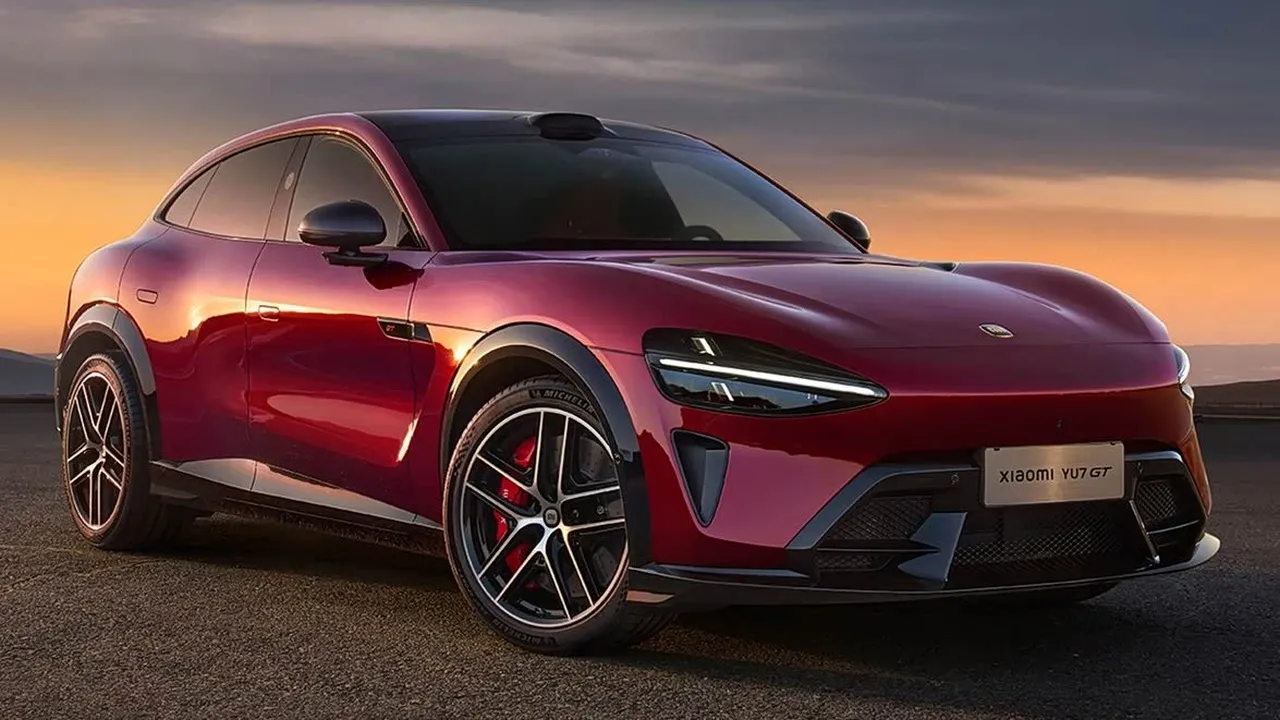
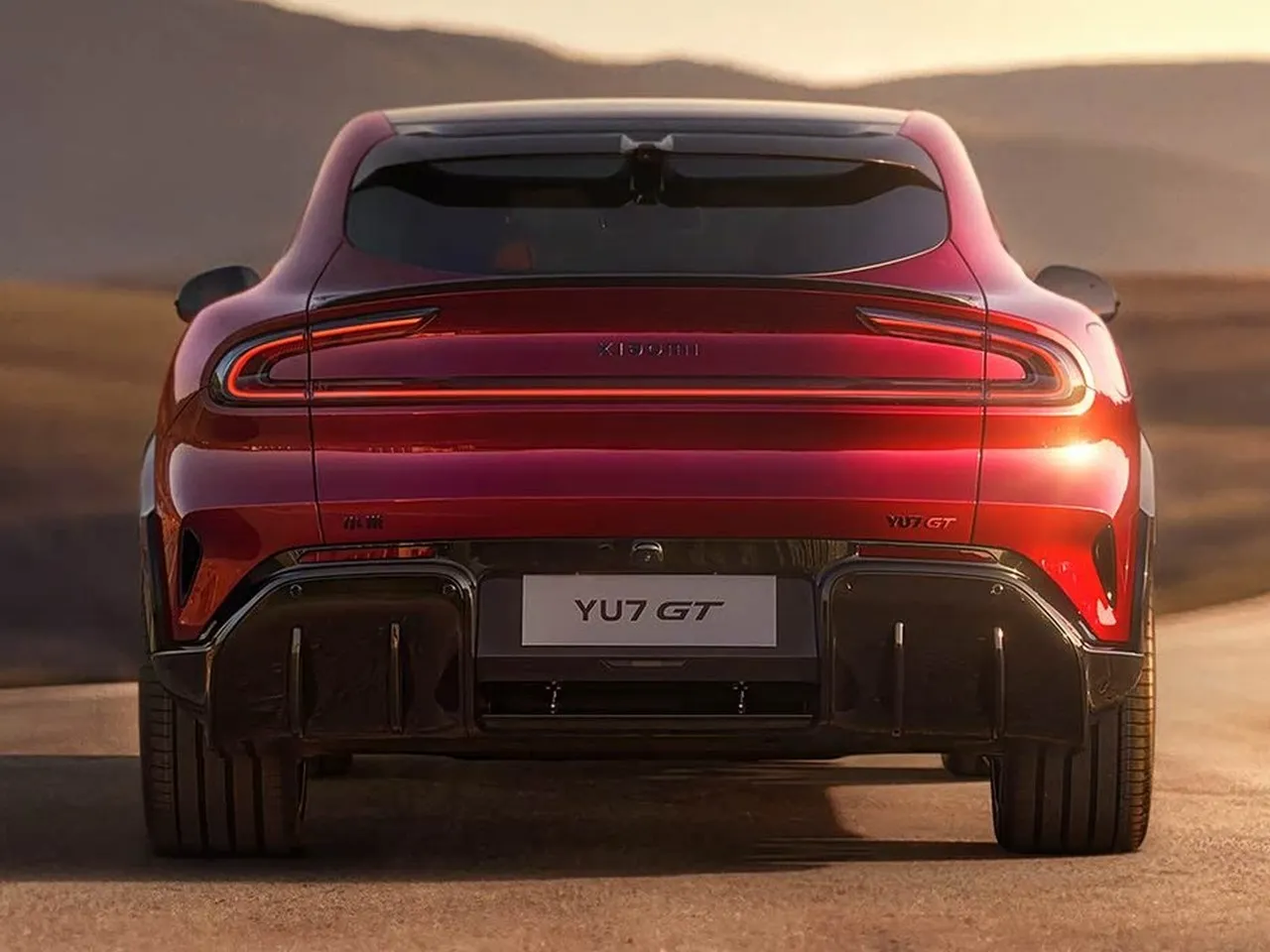
Xiaomi clearly wants to capitalize on the marketing potential of the track, as the first recorded time raised some doubts and sparked minor discussion. Then the issue “resolved itself,” and a better time of 7:22.755 minutes was accepted as the official result. That’s how long it took a professional to complete the 20,832-meter lap. When a human driver was replaced, electronics managed to get the Xiaomi YU7 GT around the track in 10:29.483 minutes (source), meaning it took about 3 minutes and 7 seconds longer. It’s worth noting that breaking under 10 minutes is suggested as the first goal for novice drivers entering the Nuerburgring:
This time, the result also sparks discussion, as it’s clear that depending on the section of the track, the car has a maximum speed limit of either 140 or 150 km/h. Only on the final straight is it allowed to reach speeds of 210 km/h, whereas a human driver reached 297 km/h there. In the car with a driver, the alternators make loud noises, allowing us to assess that the dynamics of acceleration and deceleration are significant. In the autonomous version, the sound from the tires and power electronics is weaker—either the sensitivity of the microphones is different, or we’re dealing with a regular version of the model with conventional electronics, which learned to drive based on sensor data from vehicle number 01 [speculation by Elektrowozu’s editorial team], which drove as follows:
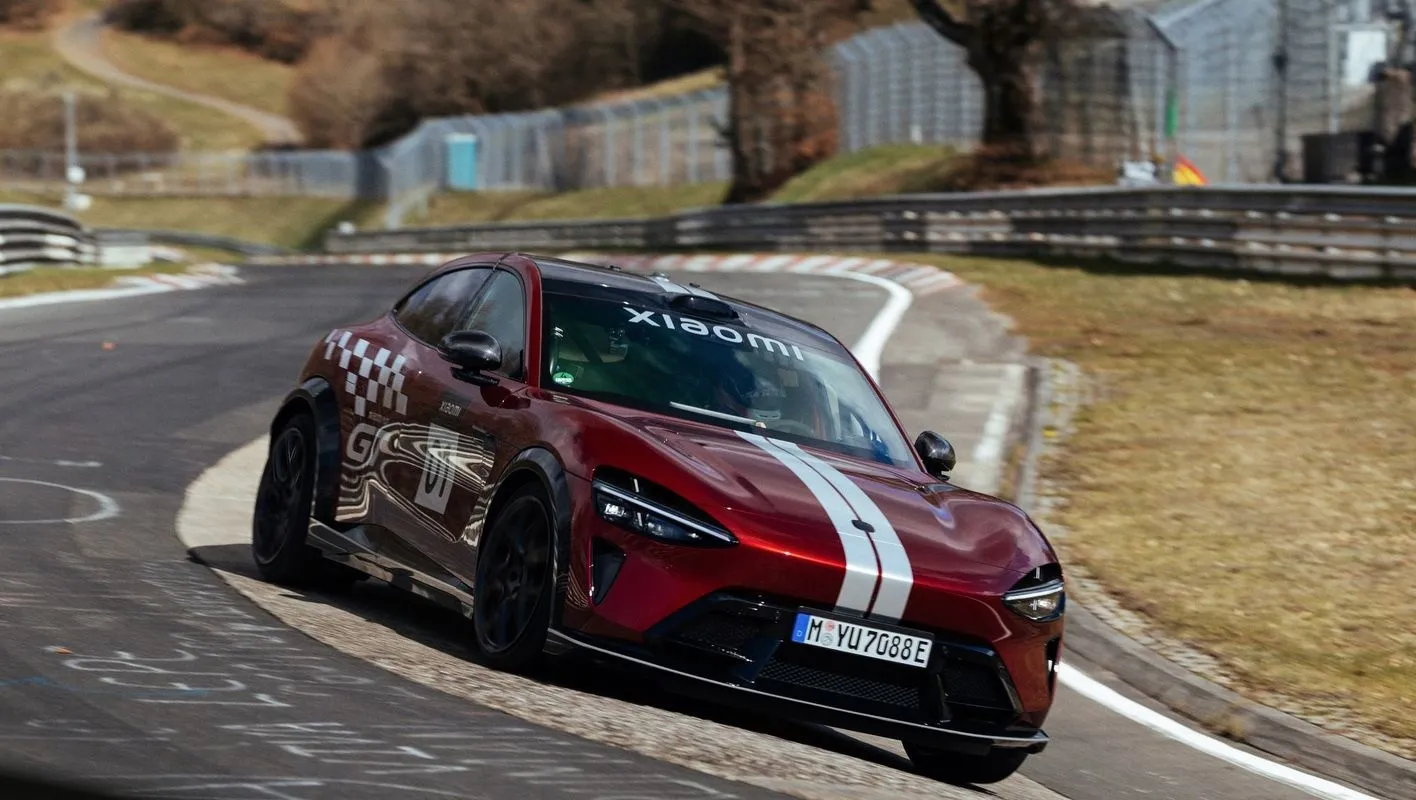
The driverless variant has side number 11.
The Xiaomi YU7 GT is likely to be the first Xiaomi model offered in Europe. The car’s launch is scheduled for 2027, but this could also be part of a marketing strategy. We won’t be surprised if Xiaomi “responds to customer feedback” and decides to accelerate the car’s sale. Even if Porsche employs a strategy of mild scarcity and anticipation...
Editor’s note from Elektrowozu: It’s interesting that the video even included the characteristic sound of a GSM phone connecting to the network. We’re curious whether the claim “it must have been remotely controlled!” will also be used to keep interest in the drive from fading too quickly
Article rating
Reader ratings
[Total: 1 vote Average: 5]
Don’t miss new content — CLICK and FOLLOW Elektrowoz.pl on Google News. You might also be interested in the following ads: