
Xiaomi lost 2.6 billion yuan in its EV and AI business during Q2 2026. While sales are increasing, profits are decreasing.
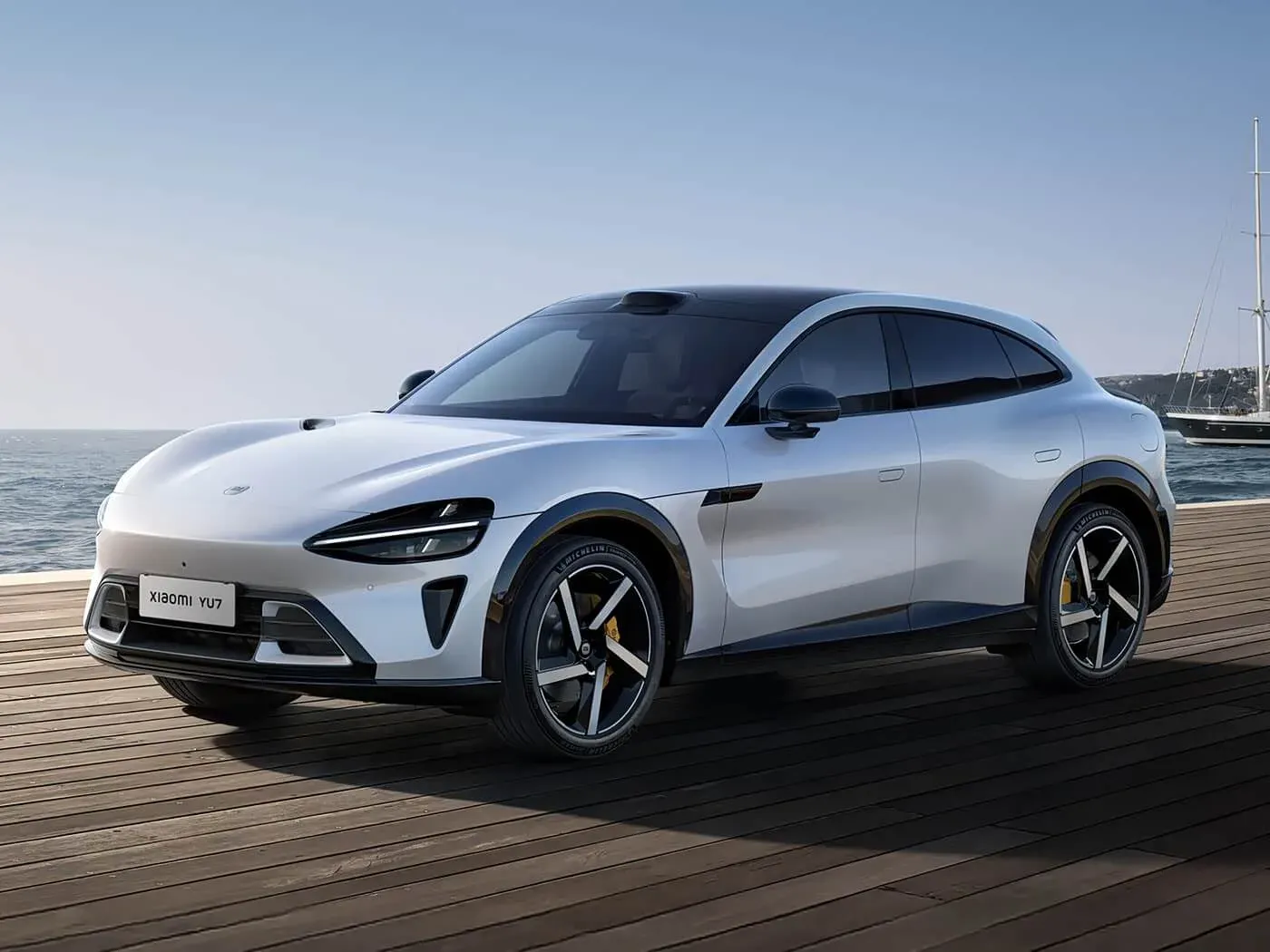
Xiaomi released its results for the second quarter of 2026, and the segment focused on new initiatives—primarily EVs and AI—was once again in the red. The operating loss amounted to 2.6 billion yuan, or about $383 million, on revenues of 24.9 billion yuan.
For readers interested in EVs, two things are particularly noteworthy here. First, Xiaomi continues to sell vehicles in large volumes. Second, this scale does not yet guarantee comfortable profitability.
Gross margin declined despite rising deliveries
In the second quarter, Xiaomi delivered 104,199 vehicles, a 28.2% increase year-on-year. This is a strong performance, especially considering that retail sales of passenger cars in China dropped by 22% during the same period.
The problem lies elsewhere. The gross margin for the EV, AI, and other new initiatives segment dropped to 19.2% from 26.4% the previous year and from 20.1% in the first quarter of 2026. Xiaomi attributes this to three factors: a smaller share of the more expensive SU7 Ultra, higher prices for key components, and increased AI-related operating costs.
The average selling price of a car was 229,312 yuan, which represents a 9.6% year-on-year decline and a 2.5% quarter-on-quarter drop. This clearly shows what happened to the model mix. Cheaper versions drive volume but do not help improve margins.
Revenue from EVs alone reached 23.9 billion yuan, marking a 15.9% year-on-year increase. The other related businesses contributed an additional 1 billion yuan, a 56.5% increase, including AI revenue generated by Xiaomi’s MiMo language model family.
Costs are rising faster, and the annual plan starts to seem ambitious
The operating expenses of this segment surged to 7.4 billion yuan from 5.9 billion yuan the previous year, an increase of 25.7%. Across the entire group, spending on research and development rose by 18.9% to 9.2 billion yuan, driven mainly by investments in new AI initiatives and infrastructure.
Add to this capital expenditures. In the quarter, Xiaomi spent around 3.6 billion yuan, of which 2.4 billion yuan was allocated to the EV and AI segments. In short, the company continues to invest heavily in scaling its business, and it shows.
There’s another issue. In July, Xiaomi delivered 31,267 vehicles, which represents only a 2.68% year-on-year increase and 9.99% less than the previous month. From January to July, it delivered a total of 216,322 vehicles, marking a 14.83% year-on-year growth.
To meet the goal of delivering 550,000 cars by 2026, Xiaomi must now deliver around 66,700 vehicles per month for the remaining five months of the year. That’s almost twice the amount from July. Not good.
The company is trying to expand its product lineup. In July, it unveiled the Kunlun architecture and the first series of SUVs with a range extender, the Sky Nomad. The pre-order prices for the N90 Max and N70 Max are 299,900 and 259,900 yuan respectively, with a market launch scheduled for September. The claimed combined range of 1,705 km under CLTC standards sounds impressive on paper, but since it’s an EREV with a Chinese measurement cycle, its relevance to daily driving in Europe is limited.
Xiaomi has already delivered over 500,000 units of the SU7 series since its launch, but the coming months will reveal something more important than just round numbers. Can the company sustain growth without further eroding its margins? Do you think Xiaomi will deliver 550,000 cars by 2026, or is that goal already too ambitious?
LovEV Newsletter
Want more content like this?
Sign up — we’ll send you a weekly summary once the newsletter starts.