
Xiaomi SkyNomad N90 and N70 require oil changes every 30,000 kilometers or every three years. Is that frequent or rare for plug-in hybrids?

Portal InsideEVs came across some interesting information. Xiaomi has revealed that in its two latest vehicles, the Xiaomi SkyNomad N90 and SkyNomad N70 (meaning “celestial nomad”), oil changes will be required every three years or 30,000 kilometers. This is on average two to three times less frequent than in typical gasoline-powered models, but the SkyNomad series are plug-in hybrid vehicles where the internal combustion engine acts as a power generator. The wheels are driven solely by electric motors.
Is Xiaomi normalizing costs, or have manufacturers previously overcharged PHEV buyers?
The first oil change for the Xiaomi SkyNomad N90 and N70 is recommended at the end of the first year of use or after 10,000 kilometers, whichever comes first. This is understandable because the oil filled by the manufacturer accumulates various factory residues, and the engine suffers as a result, so it’s worth replacing it with fresh oil. Subsequent changes are recommended only after 30,000 kilometers of engine usage or three years. Li Auto makes a similar recommendation for its plug-in hybrid models, the L8 and L9, according to InsideEVs.
Xiaomi SkyNomad N90 (c) Xiaomi

The interior of the Xiaomi SkyNomad N90 Max
In older model (conventional) vehicles sold in Europe, oil changes are generally recommended every 12,000 to 15,000 kilometers or annually. In the United States, manufacturers’ ASO guidelines typically suggest shorter intervals of every 6 months or 8,000 to 10,000 kilometers (5,000–6,000 miles). However, the Xiaomi SkyNomad series was designed for typical use—unlike the sportier Xiaomi SU7 and YU7—so extending oil change intervals results in lower operating costs, which may attract additional customers.

Cab and Seating Capacity in Xiaomi SkyNomad N90 Max
Plug-in hybrids are said to combine the drawbacks of gasoline cars and electric vehicles. However, in the case of series hybrids, where the gasoline engine serves only as a power generator and can operate under optimal conditions to slowly charge the battery, the situation changes slightly. Xiaomi’s decision shows that a smart strategy was developed for the generator to prevent it from wearing out too quickly. Still, this is quite surprising, as with stationary generators, it is recommended to change the oil every few months or after about a hundred hours of operation.
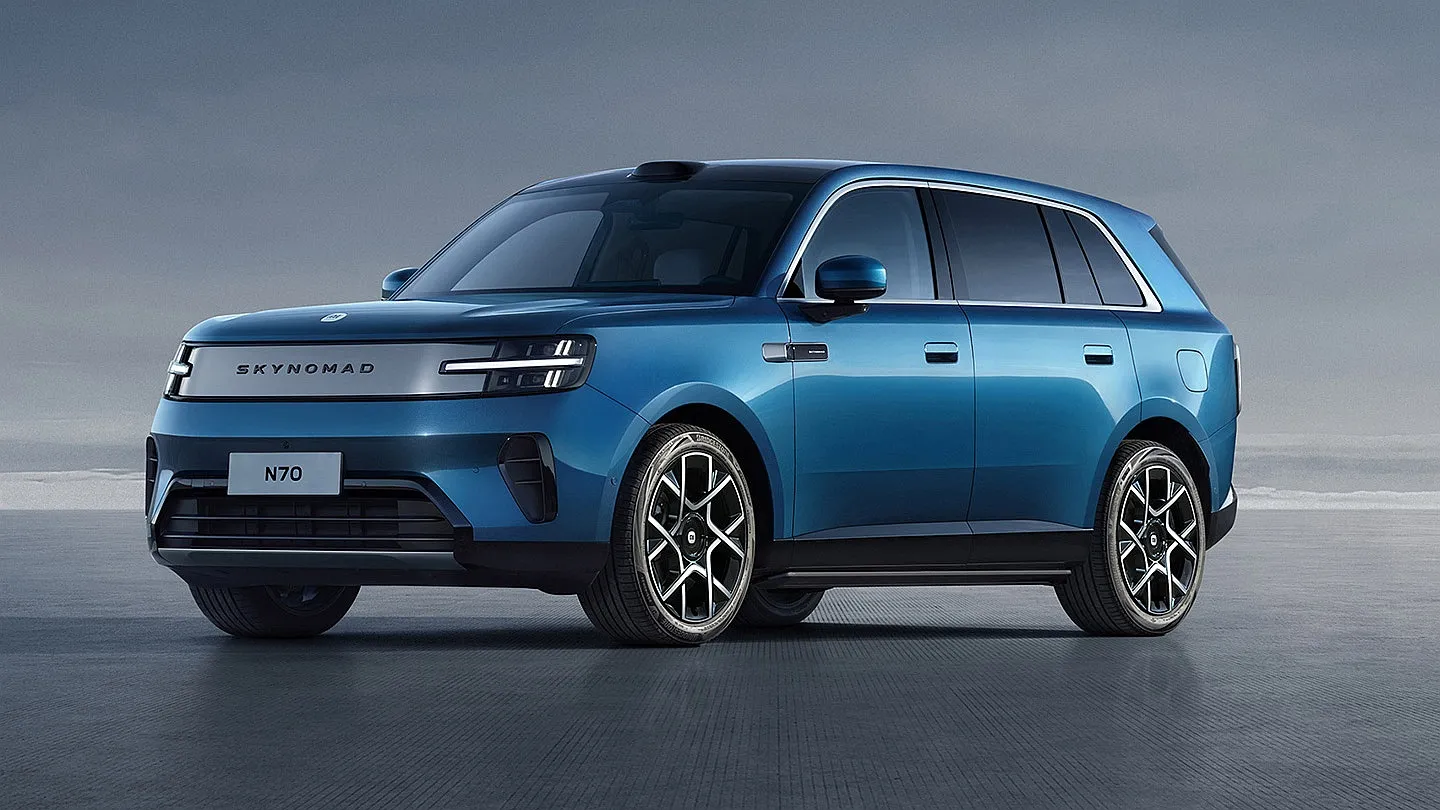
Xiaomi SkyNomad N70 Max
The Xiaomi SkyNomad N70 and N90 are equipped with 1.5-liter combustion engines. The Xiaomi SkyNomad N90 Max has a battery with a capacity of 76 kWh, while the N70 Max can be fitted with either a 76 kWh (Li-NCx) or 52 kWh LFP battery pack. Unlike pure electric models that use cells from top suppliers such as CATL and BYD, the SkyNomad series utilizes Sunwoda and CALB cells. Both models in their Max configurations have two electric motors (1+1), delivering a total maximum power of 310 kW/421 HP. According to WLTP standards, the fuel consumption of the combustion engine generator when the battery is depleted is around 6.3 liters per 100 km.

Xiaomi SkyNomad N70 Max

The interior of the Xiaomi SkyNomad N70 Max
Editor’s note from Elektrowozu: It’s interesting that cars targeted at Chinese consumers who are sensitive to price and operating costs are plug-in hybrids. With powerful batteries, but still hybrids... In Europe, plug-in hybrids were much more expensive than electric cars for a long time or had similar prices.
Article rating
Readers’ ratings
[Total: 1 vote Average: 5]
Don’t miss new content—CLICK and FOLLOW Elektrowoz.pl on Google News. You might also be interested in the following ads: