
Xiaomi setting up operations in Berlin, a quietly launched Cybercab, a Range Rover without its exhaust pipes, and four out of five new cars in France being electric... Welcome to Regen No. 80
Too busy? Regen condenses the most important electric vehicle news into a few lines every Sunday for you.
New Electric Cars and Announcements
Back to school season has arrived, and it shows with a rich lineup of news just as we like it!
Two years after an aggressive announcement, Tesla launched its Cybercab in relative quietness. This two-seater vehicle without a steering wheel or pedals joined Austin’s fleet of robotaxis on Thursday. Well, let’s not downplay this event—it could still make history in the world of mobility. Come back in a few years to see if this somewhat bold claim holds up over time.
Xiaomi is no longer playing hide-and-seek with Europe. Good news for local enthusiasts—the Chinese manufacturer is showcasing a SU7 at IFA in Berlin and has posted a distributor recruitment form on its European website.
Another arrival, more quietly: Lucid is finally establishing a presence in France, described as an “essential pillar” of its European strategy. We’ll finally be able to test its products outside of California’s highways.
The new and intriguing Hyundai Ioniq 3 is now available for pre-order at 29,995 euros, putting it directly in competition with the Renault 4 and ID.Polo. Produced in Turkey, it is still awaiting its eco-score for the enhanced EU subsidy.
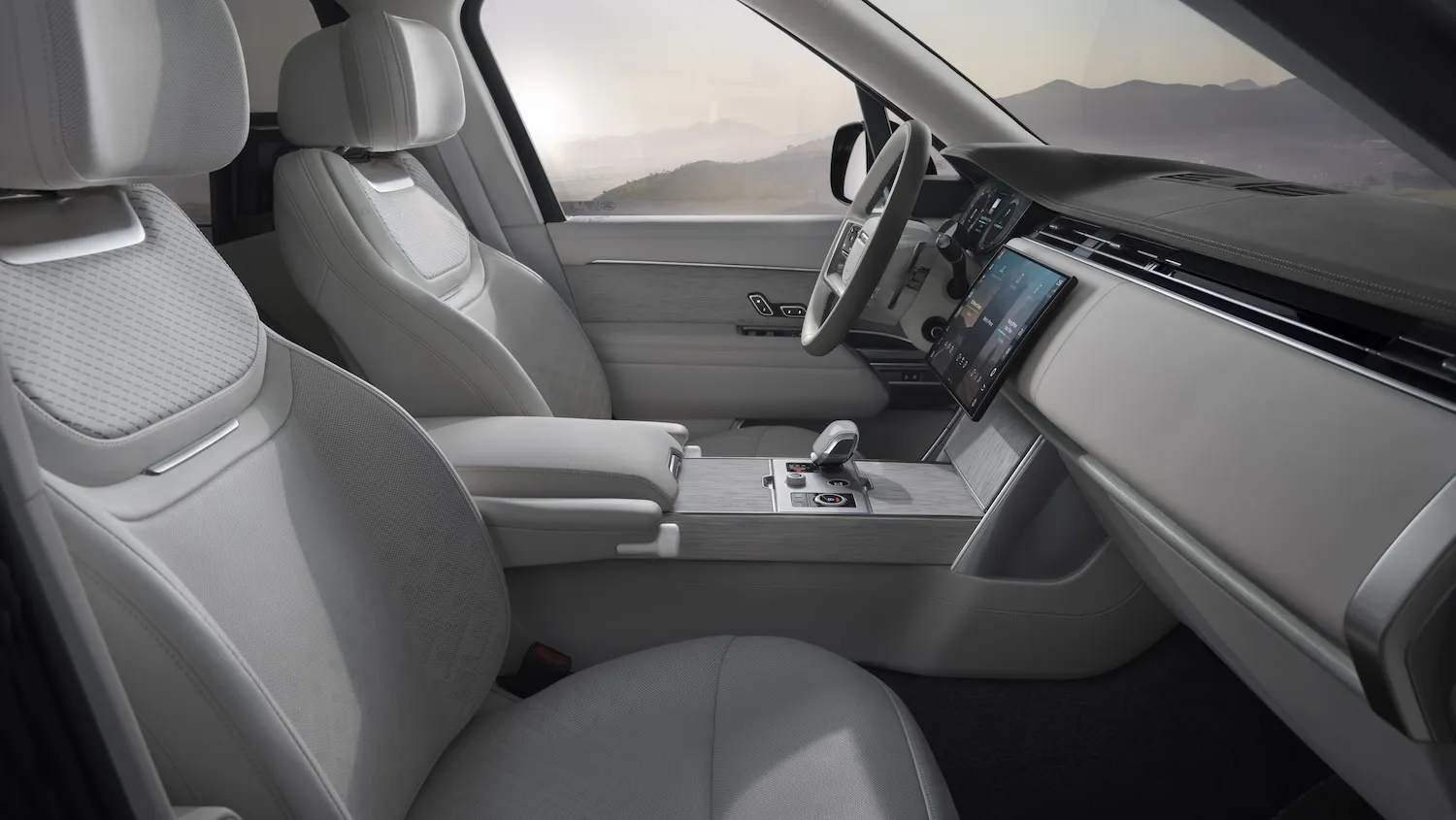
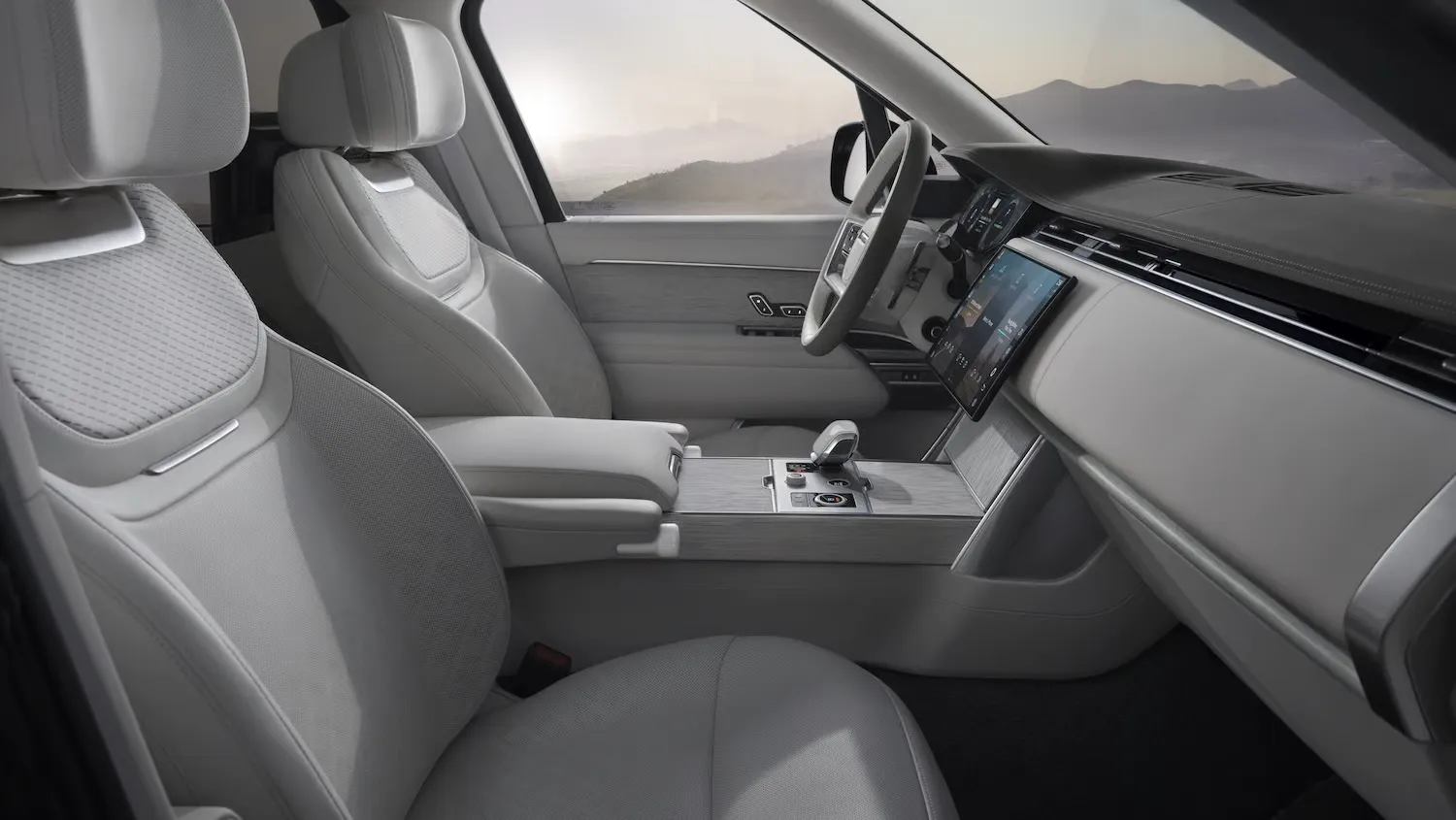
After two years of delay, the first electric Range Rover is here. Visually, the difference from the gasoline models isn’t very noticeable, but that’s probably what customers would want (if there are any).
At Polestar, the 4 gets an SUV version and, most importantly, a rear window, giving it a much more stylish look. Ah, and it’s cheaper than the original version despite being more practical, proving that in this case, style comes at a high price.
The Corsa GSE is priced at 39,990 euros. The Peugeot e-208 GTi, which has exactly the same specifications, costs 42,900 euros. A nearly 3,000 euro difference between two models from the same group suggests a potential diplomatic issue here.
Regarding Peugeot, the 208 and 2008 get a special Envy edition: Alvao green, Nazaré blue, Black Mist wheels, GT-style seats, and teal stitching.
On the Renault side, the electric Scénic has been upgraded: new batteries, longer range, faster charging, and an entry price dropping to 39,990 euros. I don’t know about you, but I find this car very beautiful whenever I see one.
At Lexus, the restyled NX hides a lot of improvements. Its silhouette changes little, but the chassis has been thoroughly revised. With an electric range of 100 km, it becomes the brand’s first rechargeable hybrid to support fast charging.
Chery Group is opening its first French dealerships under its own brand name, following Omoda and Jaecoo. The 221 hp Tiggo 7 hybrid is priced at 26,990 euros, 3,000 euros less than its similarly sized Jaecoo 7 counterpart. The full range will be available at Porte de Versailles in October. Geely has also adopted a strategy of competing with its own brands.
Meanwhile, BYD is preparing an ultra-compact vehicle inspired by its kei car Racco to challenge the Twingo. Segment A, which everyone abandoned due to profitability concerns, has become the most crowded segment in the market.
Industry, Economy, and Regulations
TADAM! Electric vehicles accounted for 38% of new car registrations in France in August, setting a new all-time high after 35% in July, on a market of 94,351 new vehicles. The Model Y took the lead with 4,622 units sold, compared to 2,316 for the R5.
The driving force behind this surge is the social leasing program, which saw 29,800 orders in one and a half months, leaving 20,000 vehicles remaining out of a quota of 50,000. This is far shorter than the six weeks it took to sell out in 2024, but launching the program on July 16 already showed a certain degree of optimism.
For this occasion, however, things will change. The new bonus that took effect on September 1st amounts to around 340 euros, funded by the CEE rather than the state. Renault offers 590 euros to households facing energy hardship, double that amount in Corsica and on the islands of the Ponant. It’s worth recalling that there was a used car bonus of 1,000 euros in place until the end of 2024.
In July, France deemed Tesla’s FSD insufficiently safe “as it is.” Six weeks later, Philippe Tabarot (who must have read what was being said about him on X) announced road tests and a “constructive exchange” with Elon Musk, while mentioning months of work with French authorities. It’s not as if everyone (the public and media) had already been able to test FSD for months...
This shift is clearly no coincidence of timing. Tesla has just released its European evidence package, featuring eight studies and over three billion kilometers analyzed.
After some hesitation, the momentum is now in motion: Chinese automakers have already surpassed their European sales for the entire year 2025 in just seven months, with 813,096 units sold compared to 812,452. MG, BYD, and Chery are closely competitive. And keep in mind that Xpeng, Geely, Changan, and GAC are not yet available everywhere, not to mention Xiaomi and Li Auto, which are on the way...
Meanwhile, at Stellantis, DS has seen a change in leadership for the third time in three years.
On the Japanese side, Nissan and Honda are getting closer again, one and a half years after the failure of their merger. This time, there’s no joint holding company, but rather an agreement on software architecture and computing units, with the first deployment planned for 2029. This bears some resemblance to Volkswagen’s partnerships with Rivian and Xpeng.
On another note, regarding “what we’re saying isn’t false, but…” — the power figures for electric vehicles warrant careful consideration.
Humanoids are making their way into BMW, Mercedes, Hyundai, and Tesla vehicles, though for now they are slower than humans at manipulating objects, adapting to unexpected situations, and maintaining industrial speeds. In short, there’s still a way to go, but it’s clear these shortcomings will be quickly addressed.
News on batteries and charging
In Douvrin, ACC is accelerating production for Stellantis, but output destined for Mercedes is not expected until mid-2027.
Regarding battery recycling, a study by the Safeloop project estimates the current cost loss at 1.90 euros per kilogram of battery. Technically, it’s feasible, but economically, we’re not there yet.
A question on everyone’s mind in the used car market: can we trust the SOH figures provided by manufacturers? Short answer: each manufacturer calculates it differently, and there’s still a lack of transparency and comparability to make SOH equivalent to mileage.
In the same vein, this is why official range figures don’t match real-world experience. Reminder: WLTP was never meant to predict an individual’s driving range; it’s primarily used to enable comparisons between models.
Two not-so-trivial questions find their answers this week. Should you plug the cable into the car side first or the charger side? There’s no difference: unlike a household extension cord, a Type 2 cable doesn’t transmit anything until the Control Pilot connects both ends. The situation is more nuanced with badges. At chargers with attached cables, you plug in first and then authenticate. On some AC chargers, the badge is used to unlock the hatch, so you need to do it in reverse order.
The Pros’ Corner
Kia continues to expand its utility vehicle lineup, offering a first look at the PV7, the larger sibling of the PV5. It features a one-box silhouette, more volume, greater versatility, but no technical specifications available yet.
Nissan has gone all in on marketing, pricing the Townstar EV at 14,390 euros before taxes. The price seems impressive, but it includes nearly 11,000 euros in discounts and a 6,000 euros EU subsidy on top of a starting price of 31,350 euros, and it’s limited to 100 units.
In London, Uber and Wayve have launched their first commercial rides in autonomous vehicles. Fifteen Ford Mustang Mach-E vehicles, approved by Transport for London just under a month ago, with a human supervisor on board at all times, and they charge the same as regular rides.
This Week’s Figure
225,000 euros, including over 55,000 euros in options. That’s the amount you’ll need to pay to drive a fully equipped new Porsche Cayenne Turbo Coupé.
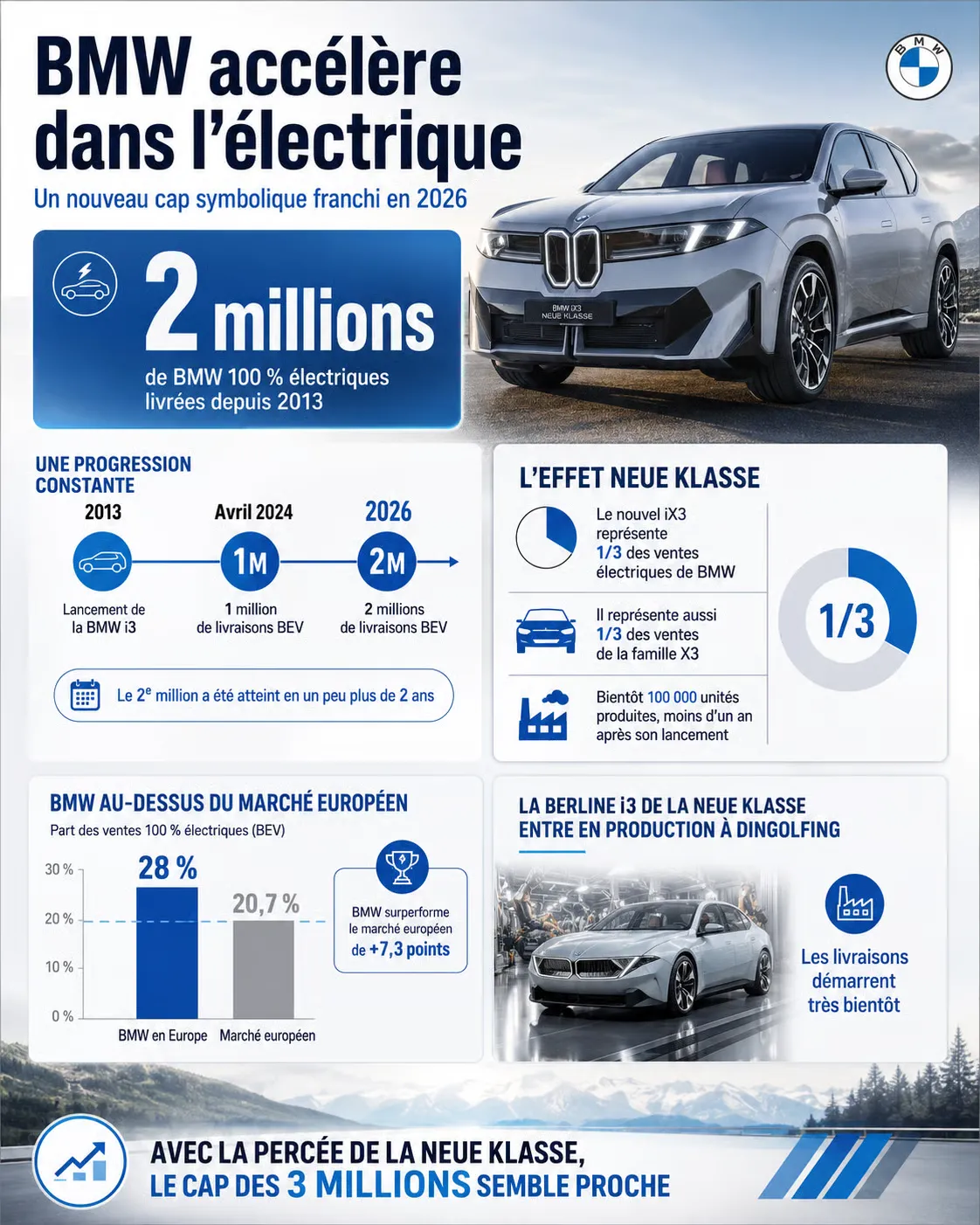
This Week’s Infographic
That’s all from me for today. See you next Sunday for another issue of Regen!