
All Saints Day without trucks on the roads. Truck ban, Znicz campaign, and penalties to keep in mind
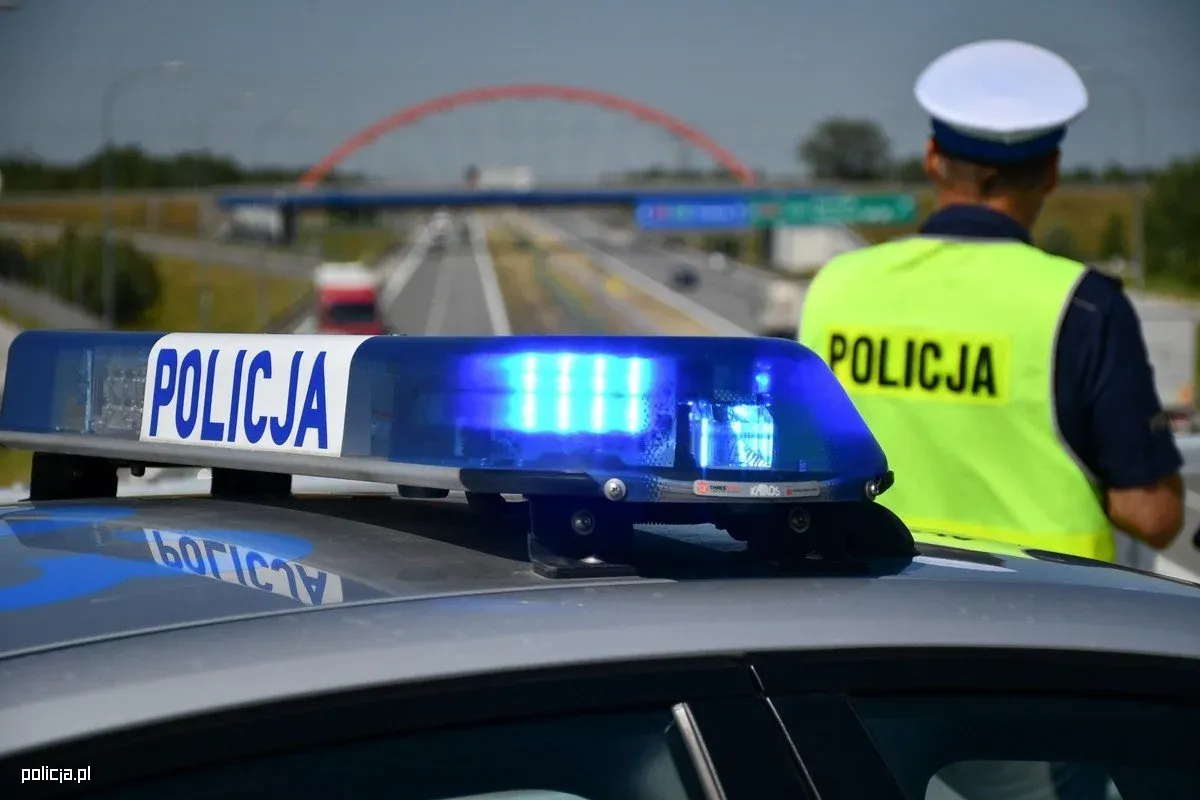
Halloween is one of the busiest days of the year. Millions of Poles set out to visit the graves of their loved ones, causing traffic on roads leading out of cities and near cemeteries to increase dramatically. To make travel easier for car drivers, the heaviest vehicles are removed from roads across the country for several hours. Meanwhile, the police operation “Znicz 2026” is underway, with officers reminding people of the rules in effect throughout the year — from a ban on overtaking by trucks to new guidelines for deducting points from driving records.
IN THIS ARTICLE
What times are trucks over 12 tons prohibited from driving?
Who is exempt from these restrictions and what are the penalties for breaking them?
How many police officers will be on the roads during “Znicz 2026”?
How does the year-round ban on trucks overtaking work?
Speed limits, tolls, and limited fares to reduce penalty points
Truck ban – when and who it applies to
The restrictions stem from the Minister of Transport’s regulation of July 31, 2007, regarding periodic restrictions and bans on certain types of vehicles on roads. They apply to vehicles and vehicle combinations with a permissible gross weight exceeding 12 tons, excluding buses. On legally designated rest days, the ban is in effect from 8:00 to 22:00, and on the day before a holiday, from 18:00 to 22:00.
This year, it means that the heaviest trucks will be prohibited from driving on Saturday, October 31, from 18:00 to 22:00, and on Sunday, November 1, from 08:00 to 22:00. It’s important to remember that outside the summer season, Polish regulations do not impose a permanent Sunday ban on trucks — this year, traffic on highways will only ease due to the holiday falling on a weekend. After 22:00, TIR trucks return to the roads, something drivers heading out late at night should keep in mind.
Exceptions to the ban – who can drive on the roads
The restrictions are not absolute. The regulation exempts, among others, vehicles transporting live animals, perishable goods, medicines and medical supplies, fuels, and postal parcels. Trucks involved in rescue operations, vehicles of law enforcement agencies—police, Road Transport Inspection, Border Guard, or military—as well as vehicles used in road construction and maintenance may also be on the roads. Trucks returning from abroad to complete deliveries within the country are also exempt. Therefore, even on holidays, especially near border crossings, heavy traffic will not completely disappear.
Penalties for violating the ban – the driver and company pay
The responsibility lies with several parties. A driver who ignores the holiday ban may receive a fine of up to 500 zł. The penalties for businesses are much more severe: a transport operator faces an administrative fine of 2000 zł, while a person in charge of transportation within a company must pay 1000 zł. Police officers and ITD inspectors both conduct inspections in this area.
Akcja Znicz 2026 – more patrols, drones, and the SPEED team
Simultaneously, the annual “Znicz” operation is underway, lasting this year from October 30 to November 2. According to the Police Headquarters, over 6,000 traffic police officers are on duty during the most critical periods. They focus on maintaining smooth traffic flow on major roads and around cemeteries, checking drivers’ sobriety, speed limits, and the proper handling of passengers, including children. They are supported by unmarked SPEED unit vehicles, drones, and in some areas, helicopters as well.
Statistics show that caution is warranted. According to KGP data from last year, between October 31 and November 2, there were 182 accidents resulting in 9 deaths. Preliminary figures also indicated nearly 850 drunk drivers arrested during the holiday weekend. The police urge drivers to depart earlier, take regular breaks while traveling, and be especially cautious of pedestrians who are hard to see at night in areas near cemeteries.
No Overtaking – “Elephant Racing” Banned Year-Round
Regardless of holiday restrictions, as of July 1, 2023, it is prohibited for N2 category trucks (GVM of 3.5 to 12 tons) and N3 category trucks (over 12 tons) to overtake on highways and two-lane expressways in one direction. Overtaking is only allowed when the vehicle being overtaken is traveling significantly slower than the speed limit for trucks on that road. Violating this prohibition results in a fine of 1000 zł and 8 demerit points; in cases of repeat offenses, the fine rises to 2000 zł, and violations of the restriction indicated by sign B-26 can even result in 15 demerit points. The Ministry of Infrastructure considered introducing a nighttime exception between 23:00 and 5:00, but the regulations remain unchanged.
Speed and demerit points – what changed in 2026
The free left lane does not change the speed limits. Passenger cars, motorcycles, and trucks up to 3.5 tons can travel at 140 km/h on highways, 120 km/h on two-lane expressways, and 100 km/h on one-lane roads. Trucks over 3.5 tons are limited to 80 km/h on highways and expressways. The penalty system stipulates fines of 800 zł and 9 points for speed violations of 31–40 km/h, 1000 zł and 11 points for 41–50 km/h, and 2500 zł and 15 points for violations over 70 km/h—these amounts double in cases of repeat offenses.
A significant change relates to point cancellation. Starting from June 3, 2026, the fees at the traffic authority allow points to be reduced only when the speed violation was under 20 km/h. For more serious violations, points are removed only after one year from paying the fine. The maximum limit is 24 points, while drivers with a license less than one year old have a limit of 20 points.
Further Restrictions – November 11 and International Routes
The next ban on truck traffic will apply during the National Day of Independence. This year, November 11 falls on a Wednesday, so the restrictions will cover Tuesday, November 10, from 18:00 to 22:00, and Wednesday from 08:00 to 22:00. Transport companies operating international routes must also be aware of restrictions in other countries – in Germany, trucks over 7.5 tons are prohibited from driving on Sundays and holidays from midnight to 22:00, and on October 31, for Reformation Day, the ban was in effect in some states.
For passenger car drivers, the most important advice remains unchanged: plan your trip in advance, be aware of the difficulties at cemeteries, and follow the instructions of traffic police officers. Electric vehicle drivers should also plan stops for charging, as queues may form at chargers during peak travel times.
electromobilności.pl editorial team