
All Saints Day 2026. Fog, slippery roads, and darkness mean heightened caution is necessary on the roads
In the article:
- GDDKiA will minimize the disruptions caused by the ongoing repairs as much as possible.
- Restrictions will apply to some trucks on October 31 and November 1.
- Drivers should be especially cautious of fog, slippery roads, and significantly increased traffic.
Increased Traffic on All Saints' Day
This year, All Saints' Day falls on a Sunday, but the increase in traffic intensity will become noticeable earlier. Many people will set off on their journeys already on Friday, October 30, or on Saturday.
The General Directorate of National Roads and Highways has announced heightened readiness among its teams. Road workers are tasked with continuously monitoring road conditions and, where possible, reducing disruptions caused by the ongoing work.
This doesn’t mean, of course, that all road repairs will disappear over the weekend. That’s why it’s worth checking the situation on a specific route before a long journey, especially if it passes through large cities or near large cemeteries.
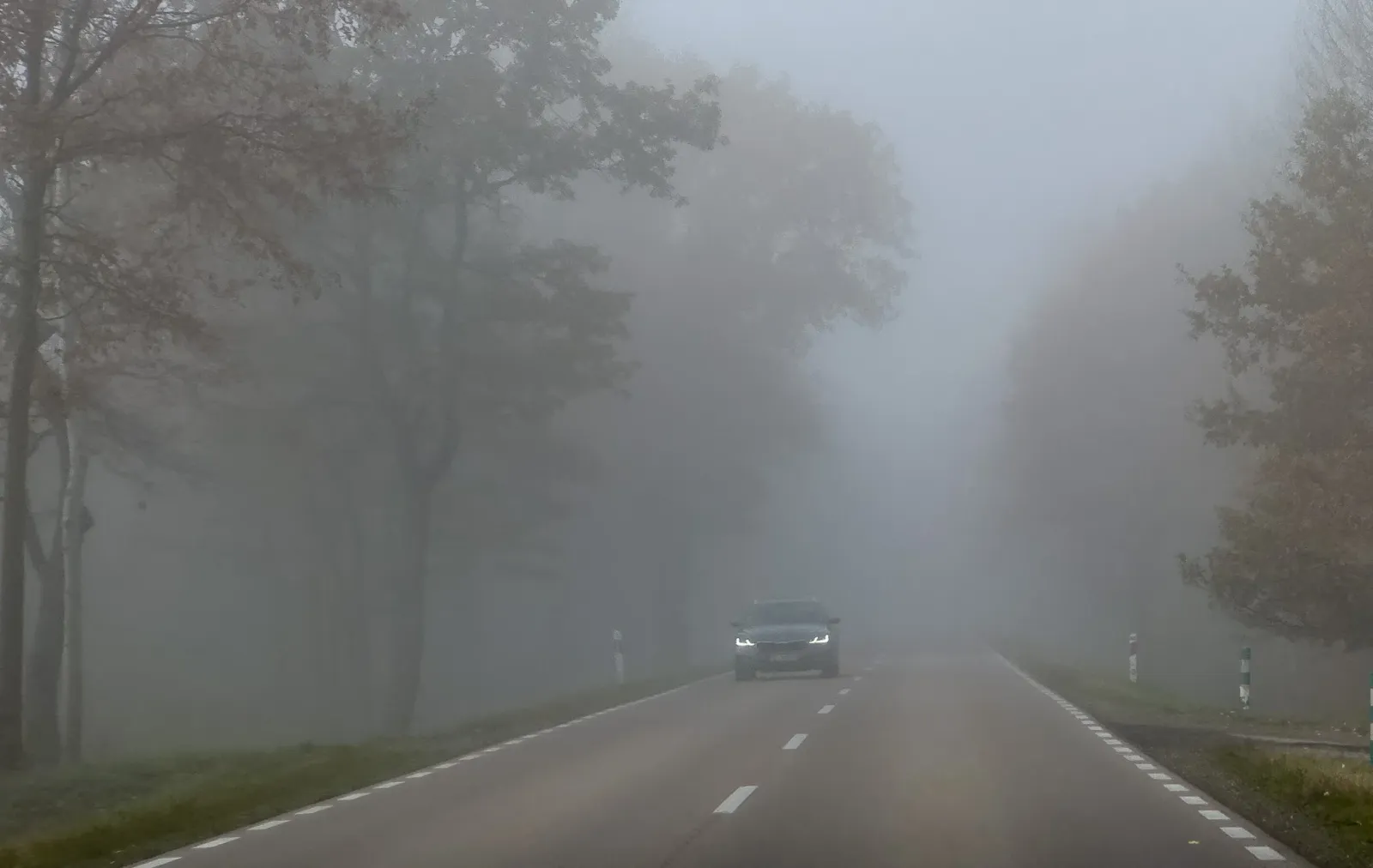
Fog and wet roads can be a bigger problem than traffic jams
GDDKiA pays special attention to autumn weather. By the end of October, conditions on a single route can change very quickly.
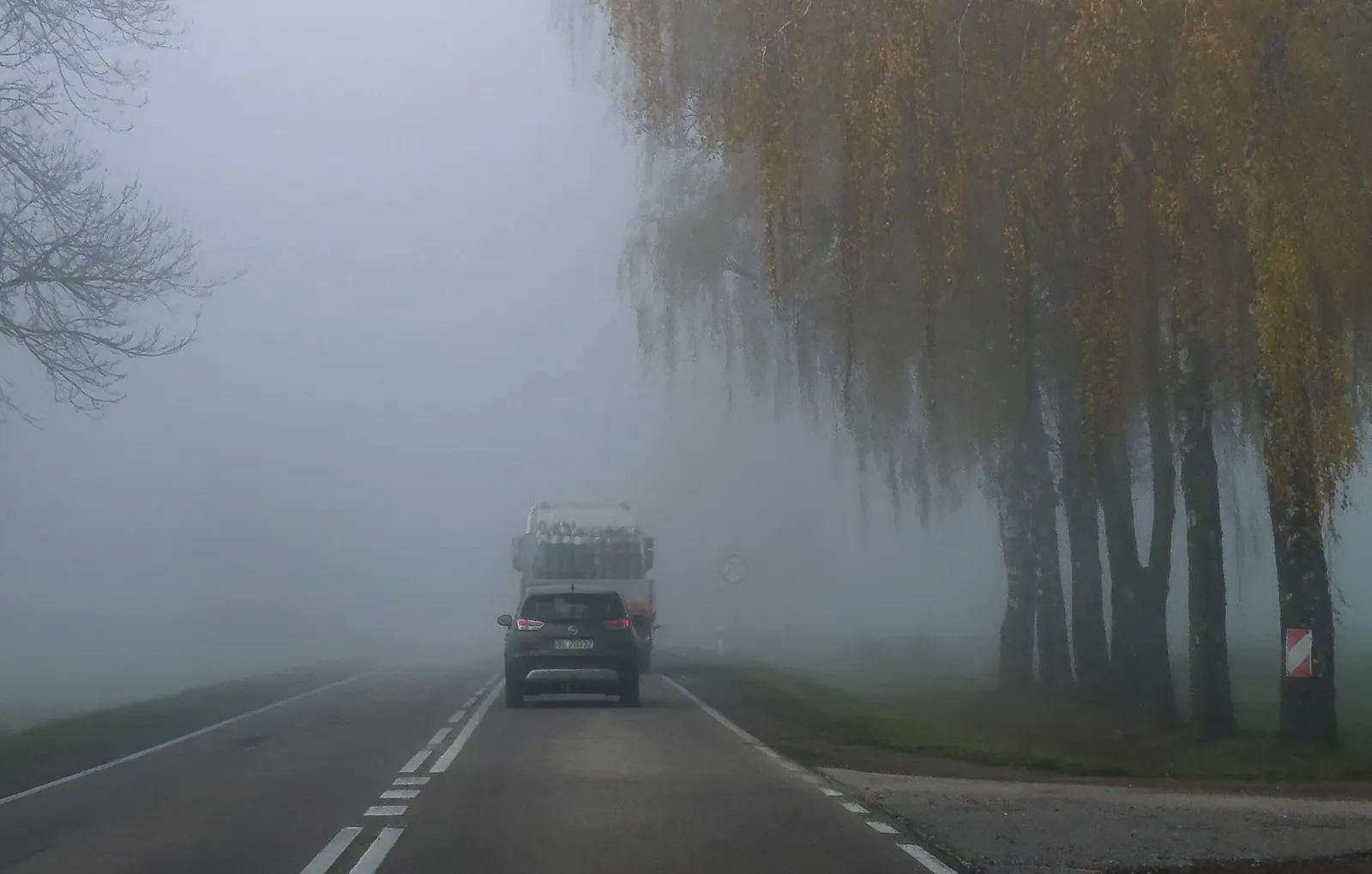
The biggest problems may be morning and evening fog. Within a few kilometers, visibility can drop from very good to just a few dozen meters. This is compounded by wet roads, wet leaves, and low temperatures, especially after dark.
It also gets dark much earlier. After the time change at the end of October, drivers returning from cemeteries in the afternoon often finish their journey already in the dark.
In such conditions, the speed limit indicated on signs should be treated as a maximum value, not a speed that must be reached at all costs. Fog or wet roads also require a greater following distance from the car ahead.
Be careful with fog lights
Autumn weather also reminds us of the proper use of lights. Headlights with fog function can be used when air visibility is reduced. The situation with rear fog lights is different—they can only be turned on when visibility drops below 50 meters. Once conditions improve, they must be turned off.
This is especially important when driving in a convoy. Using strong red lights unnecessarily can severely blind the driver behind you.
Before setting off, it’s also worth spending a few minutes checking the lights, wipers, windshield washer fluid, and tire condition. On a several hundred-kilometer journey, such details are much more important than during daily city driving.
Trucks with restrictions
During the All Saints’ Day weekend, temporary traffic restrictions will also apply across Poland for vehicles and vehicle fleets with a gross weight exceeding 12 tons.
The ban will be in effect:
On October 31 from 18:00 to 22:00 and on November 1 from 8:00 to 22:00. It does not apply to all trucks. The regulations provide for various exceptions, including for certain shipments of perishable food, medicines, fuel, or live animals. Exclusions also apply to vehicles involved in rescue operations and buses.
The restriction on the movement of the heaviest vehicles is primarily intended to ease travel during peak traffic hours.
It’s not just GDDKiA—there will be more police on the roads
Simultaneously from October 30 to November 2, a police operation related to the All Saints’ Day period will be underway.
Drivers should expect an increased number of patrols on main roads and around cemeteries. Police will check things such as speed, sobriety, vehicle condition, and the way passengers are carried.
Temporary traffic arrangements will also be in place in many areas. Some streets near cemeteries will be closed, while others will have one-way traffic or no stopping allowed. In case of heavy traffic jams, police may manually direct traffic.
Where to check the situation before heading out?
GDDKiA provides up-to-date information on national roads on its road service website. There, one can check for traffic disruptions, road construction, and road conditions. There is also a 24/7 GDDKiA Road Information hotline at 19 111.
In the coming days, it is advisable to use such information before starting a trip. With the typical traffic during All Saints’ Day, even a minor collision, repair work, or temporary closure of a road near a cemetery can quickly lead to multi-kilometer traffic jams.
However, GDDKiA’s most important advice is much simpler: a few minutes saved by driving faster don’t make much of a difference. With heavy traffic, autumn weather, and a large number of pedestrians at cemeteries, it is more important to simply arrive safely at your destination.
Piotr Sobczyk