
Italians are delaying the Euro 5 diesel ban. Hundreds of thousands of cars have been given more time.
In short:
Diesel Euro 5 vehicles were supposed to be phased out of roads in parts of northern Italy starting in October
But that did not happen. The regions postponed the restrictions
Piemont replaced the planned ban with other anti-smog measures
These include setting annual mileage limits in areas with poor air quality
The issue concerns nitrogen oxide and particulate emissions that need to be reduced
Italians are easing the restrictions
Just a few months ago, owners of Euro 5 diesel vehicles in northern Italy were preparing for a major change. Starting October 1, 2026, new restrictions for such vehicles were set to take effect in four regions of the Po Valley.
This applied to Lombardy, Piedmont, Veneto Euganeo, and Emilia-Romagna — some of the most densely populated and motorized areas in the country. The plan stemmed from air quality issues in the Po Valley and commitments to reduce nitrogen oxide and particulate emissions.
Just before the new rules took effect, however, the Italian government gave the regions more flexibility. As a result, the Euro 5 ban scheduled for autumn was not implemented in its original form.
Lombardy: Euro 5 vehicles can keep driving for another year
The Lombardy region officially postponed the planned restrictions on Euro 5 diesel vehicles to October 1, 2027. This means the ban, which was set to take effect this autumn, has been delayed by a full year.
This does not mean that Lombardy has suddenly given up on restricting older vehicles. Current bans on Euro 4 and earlier diesel engines still apply in the municipalities affected by them. The region is also working on solutions to limit emissions without immediately removing Euro 5 vehicles from traffic.
One such tool is the MoVe-In system. Instead of a complete ban, a vehicle can be assigned an annual mileage limit in restricted areas, with distance traveled monitored using a device installed in the car.
Piemont has gone even further. There will be no ban.
The region has not only delayed the deadline but also abandoned the planned permanent ban on Euro 5 diesel vehicles during the autumn-winter season. According to authorities, such a restriction would affect over 300,000 cars owned by residents and businesses.
Instead of banning these vehicles, the region has prepared a package of alternative measures intended to achieve a similar impact on air quality. These include investments in transportation, car sharing, cycling infrastructure, replacing heating sources, and incentives for using HVO fuel in Euro 5 and Euro 6 diesel engines.
This represents a significant shift in approach. The environmental goal remains, but authorities are trying to achieve it without automatically eliminating an entire group of vehicles.
Veneto Also Delayed the Deadline
Veneto followed a similar path to Lombardy. There too, the ban on Euro 5 diesel vehicles did not take effect on October 1, 2026, and was postponed to autumn 2027.
The regions were given the option to replace some of the restrictions with compensatory measures, provided that they would achieve the desired effect regarding air quality.
This does not mean an end to Euro 5 restrictions in Italy. It is more accurate to say that their implementation has been delayed, and various regions have begun to choose different approaches to achieve the same goal.
Beware of Milan. The situation there is different.
Before traveling to Italy, it is not enough to check the regulations for the entire region. It is also worth focusing on a specific city.
A good example is Milan, where a large Area B zone operates. It covers a significant part of the city and has its own schedule for restrictions, independent of the regional ban timeline.
Passenger cars with Euro 5 diesel engines are already subject to restrictions there. Although exceptions exist and certain days of access are allowed for some users, the fact that
Lombardy has delayed the regional ban does not automatically mean unrestricted access for Euro 5 diesel vehicles into Milan.
Similar differences may exist in other cities. For tourists, it is therefore important not only the car’s Euro standard but also the specific purpose of the trip.
What exactly does Euro 5 mean?
The Euro 5 standard began to be applied to new passenger cars at the end of the first decade of the 21st century, and it became mandatory for all new registrations in 2011.
As a result, we are focusing today primarily on diesel vehicles that are several years old. There are still many of them on the roads, which is why imposing a ban based on Euro 5 standards has a much greater social impact than previous restrictions related to Euro 2, Euro 3, or Euro 4.
It was precisely this scale that was one of the reasons for political debate in Italy. In Piedmont alone, there were talks about over 300,000 vehicles that would lose the ability to travel normally in areas subject to these regulations at certain times.
In Warsaw, the approach is different
Warsaw’s Clean Transport Zone has been in effect since 2024, with requirements becoming stricter every two years. Currently, diesel vehicles must meet at least Euro 5 standards or be from 2009 or later.
A significant change will take place on January 1, 2028. By then, Euro 6 standards or a production year of 2014 or later will be required.
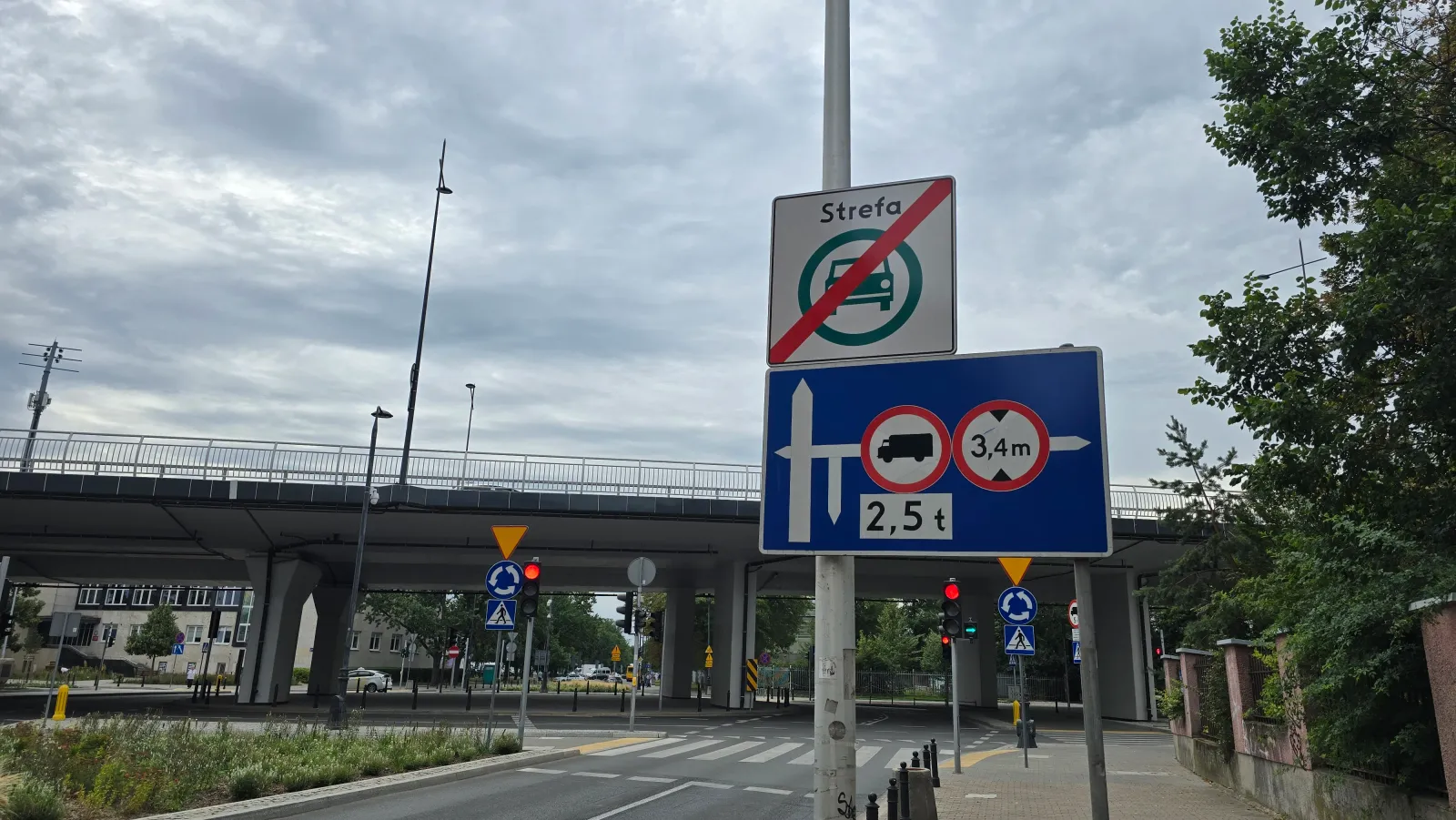
Therefore, it cannot be said that every Euro 5 diesel vehicle will automatically be excluded from Warsaw’s SCT. The regulations allow compliance based on emission standards or model year. A Euro 5 vehicle from 2011 or 2012 generally will not qualify, but a car from 2014 might meet the age requirement.
Kraków already requires Euro 6
The situation is even stricter in Kraków, where the Clean Transport Zone has been in effect since January 1, 2026, covering about 60% of the city’s area. For diesel-powered passenger cars, the basic requirement is either an Euro 6 standard or a production year of 2014 or later. This means that many Euro 5 cars no longer meet the basic entry criteria today.
Kraków has, however, provided a transition period. Until the end of 2028, drivers of vehicles that do not meet the requirements can enter the zone under certain conditions by paying a fee. This option is set to disappear starting in 2029. Separate exemptions apply to certain residents and other groups specified in the regulation.
Against the backdrop of Italy’s decisions, the difference is clear: there some regions are lifting restrictions for Euro 5, while Kraków set the standard at Euro 6 or an even newer model from the start of its SCT implementation.
Piotr Sobczyk