
How Audi shortened the development time for the A2 e-tron
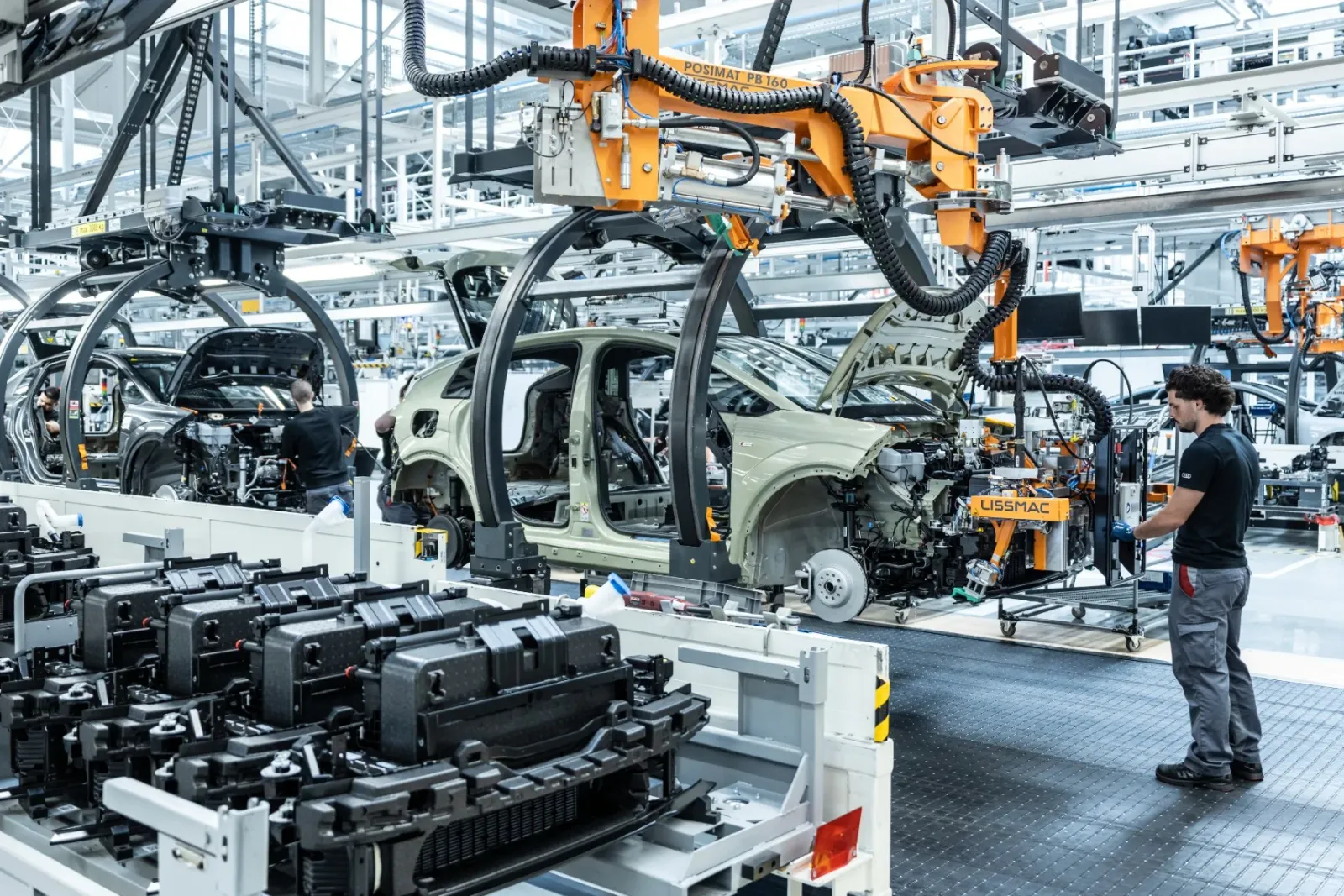
Audi outlines key aspects of the development and production of the A2 e-tron at its main plant in Ingolstadt as it begins manufacturing this electric vehicle. The development process for the electric A2 is said to have been significantly shortened—by nearly two years compared to previous vehicle projects, according to the Volkswagen subsidiary.
Image: Audi
Audi has begun manufacturing the A2 e-tron in Ingolstadt. With this model unveiled a few days ago, Audi is now adding an electric vehicle to its compact car lineup. It is based on Volkswagen Group’s updated Modular Electric Drive Platform (MEB+) and will be delivered starting in December. The price starts at 38,200 euros. You can read all the details about the electric A2 here.
By producing the A2 e-tron, Audi demonstrates how it is becoming more efficient itself: “The development time was reduced by 21 months, the variety of variants and complexity were significantly lowered, and the level of automation increased. Existing production tools and facilities continue to be used,” states a accompanying statement.
Audi attributes the faster completion of the A2 e-tron’s development to lessons learned from previous vehicle projects and streamlined processes that reduce coordination efforts. Both factors, according to the company’s headquarters, “led to earlier vehicle maturity in pre-production.”
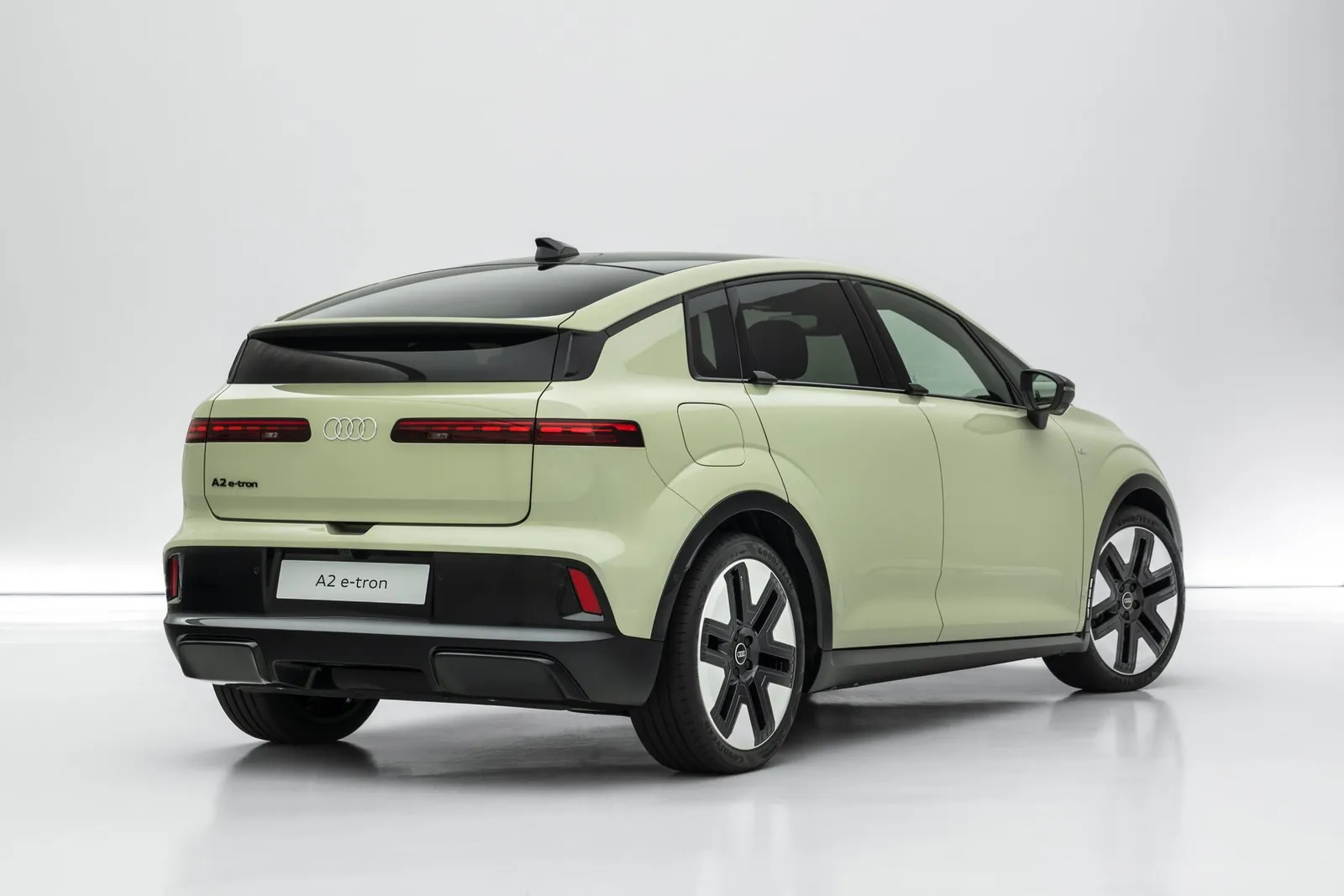
Image: Audi
- 1/12
- 2/12
- 3/12
- 4/12
- 5/12
- 6/12
- 7/12
- 8/12
- 9/12
- 10/12
- 11/12
- 12/12
Audi states that more than 1,200 manufacturing components (including robotic welding tools and around 250 robots) are now used in the production of the electric city car in Ingolstadt, components that have already been employed in the manufacturing of other Audi models. These are either reused or repurposed. For example, Audi produces the body panels for the A2 e-tron alongside those of the Audi A3. The relatively few part numbers available for the A2 e-tron also contribute to reduced complexity. “This significantly cuts down the number of logistics hubs, reducing space requirements in logistics and simplifying material supply within the factory,” Audi explains.
For the first time, Audi in Ingolstadt is also applying the production principle known as the pearl chain, which is already in use at the Neckarsulm plant. The order of customer orders is determined six days before assembly begins and processed across all departments. According to Audi, such factory management offers several key advantages: “Among other things, it reduces complexity in the process, as a fixed sequence allows components to be produced directly at the supplier in the correct order and packaged in the final container. Additionally, Audi improves the efficiency of the production process by eliminating storage and sequencing areas.”
Audi continues to increase the level of automation in its main manufacturing plant. For example, with the A2 e-tron, fully automated systems are being introduced in Ingolstadt: Fully automatic robotic stations replace the previous semi-automatic screwing stations used for pre-assembling the front and rear suspension. New technologies also assist in body building: In what is known as “bin picking,” automation technology now uses image processing and camera-controlled robot guidance to identify and pick up components. This allows robots to retrieve small sheet metal parts directly from unsorted containers and feed them into the production process for the first time.
Audi relies on the industrial cloud “Edge Cloud 4 Production” for the digital integration of assembly processes: it centrally controls functions such as the universal testing system used to activate vehicle control units, as well as any customization options for a vehicle. “This saves over 450 industrial PCs in the assembly process,” writes Audi. Additionally, the brand’s IT specialists are developing a series of AI-powered knowledge assistants across different locations. “For example, the Supply Chain Chatbot helps employees find expertise, processes, and documentation. The mAIntenance Chat assists maintenance teams with fault analysis and solution finding.”
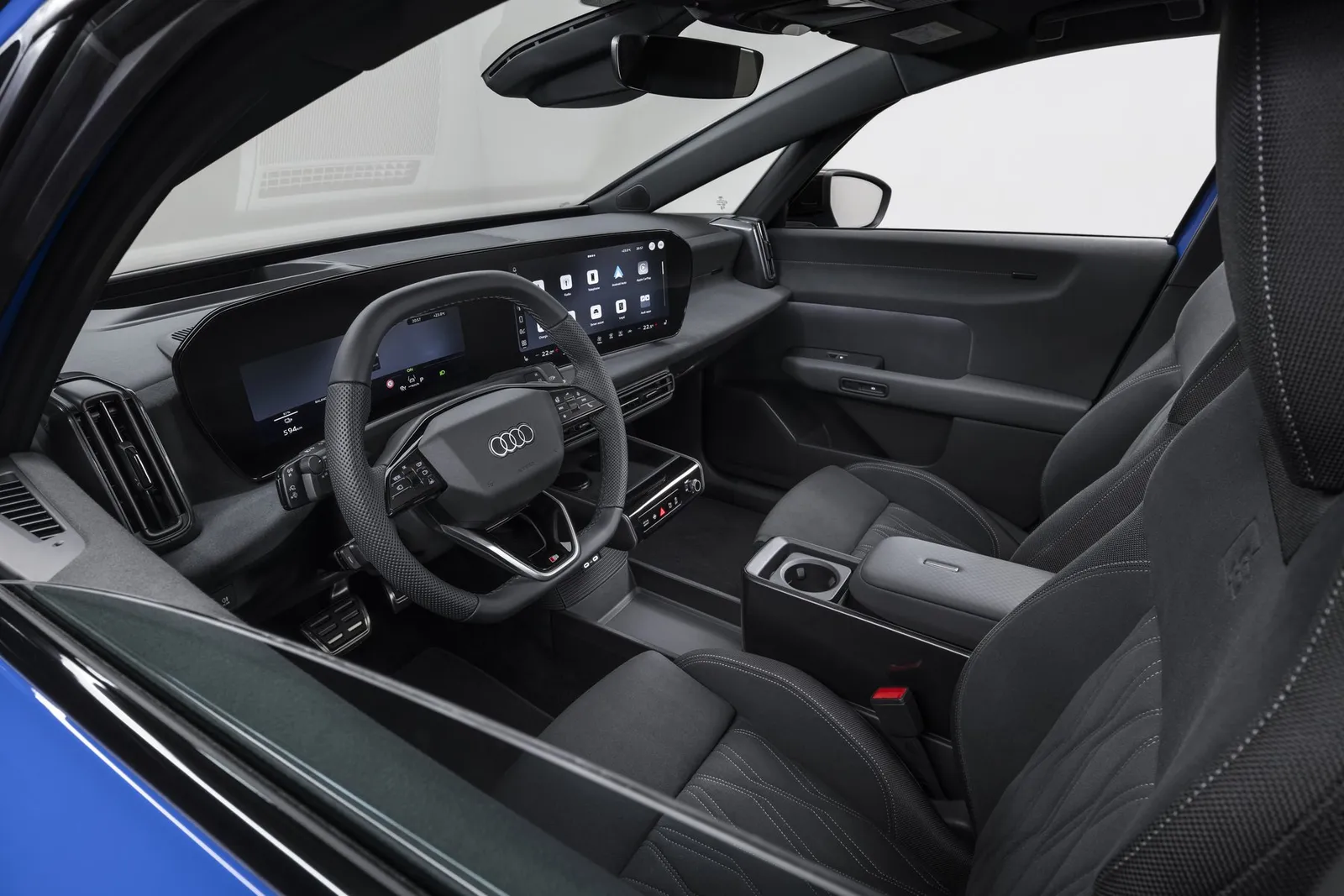
Image: Audi
- 1/10
Audi officials conclude that the A2 e-tron “serves as an example of the transformation in Audi’s production.” CEO Gernot Döllner puts it his own words as follows: “The Audi A2 e-tron represents the next step in our renewal. It shows how we consistently think about Audi from a market perspective, as different regions require different solutions. The A2 e-tron was developed for Europe and manufactured in Ingolstadt. It is the most efficient Audi we have ever built, and it makes electric mobility practical for everyday use. At the same time, it demonstrates how we are implementing our transformation in practice: developing faster, producing more efficiently, and thereby strengthening industrial value creation and competitiveness in Germany.”
Gerd Walker, Audi’s Board Member for Production and Logistics, added: “With the A2 e-tron, we also show that it is possible to build cars economically in Germany. In this process, AI assistants developed between our facilities in Neckarsulm and Ingolstadt, our highly flexible production systems, and above all the expertise of our employees play a crucial role. This model demonstrates the transformation of Audi’s production: less complex, more efficient, and with a high level of digitalization and automation.”