
WEVC to build electric cars and vans at Qatar’s first EV plant
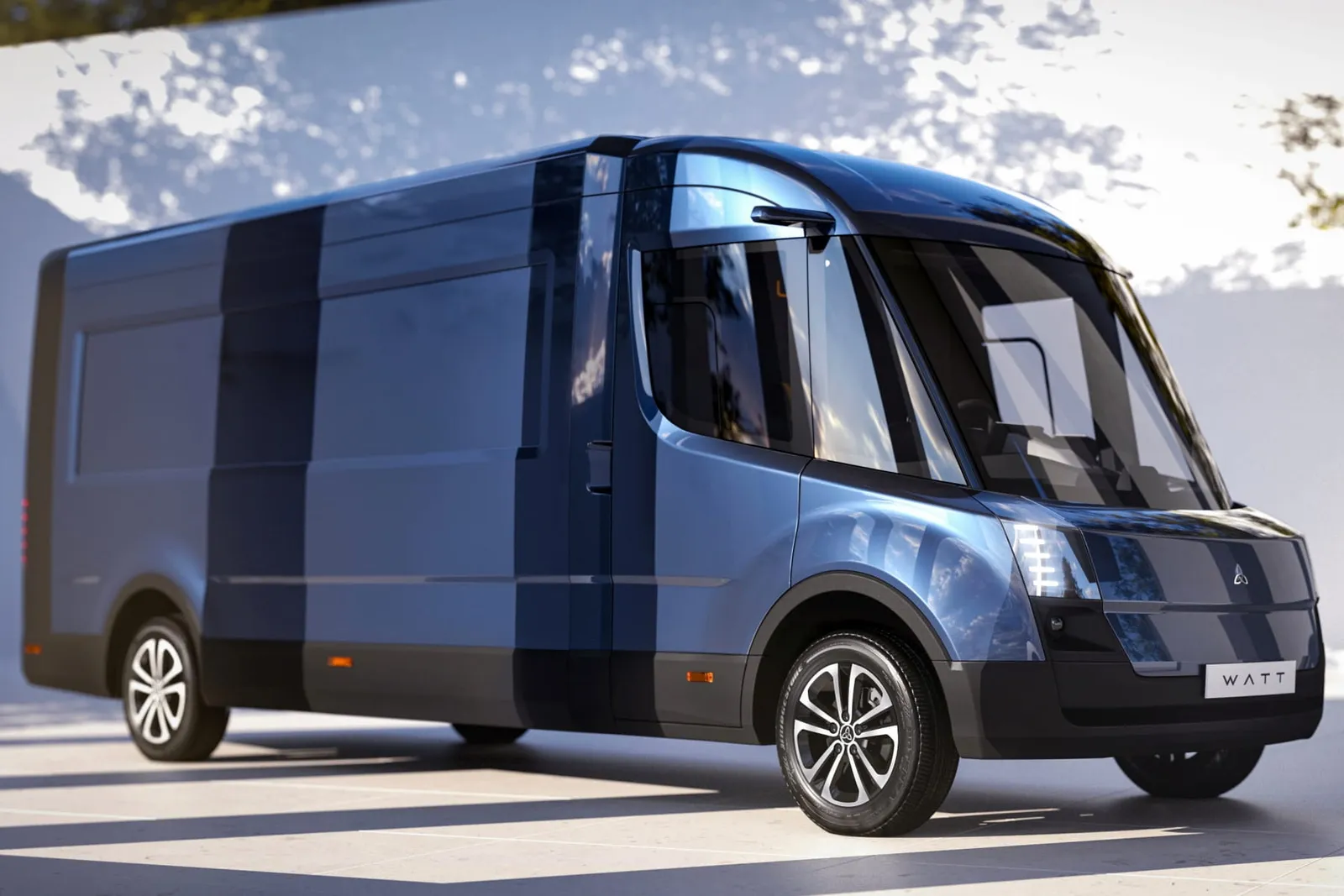
British EV developer Watt Electric Vehicle has signed an agreement with Qatari investor JTA to establish production at what is set to become Qatar's first dedicated EV manufacturing plant. Production is expected to begin in early 2028.
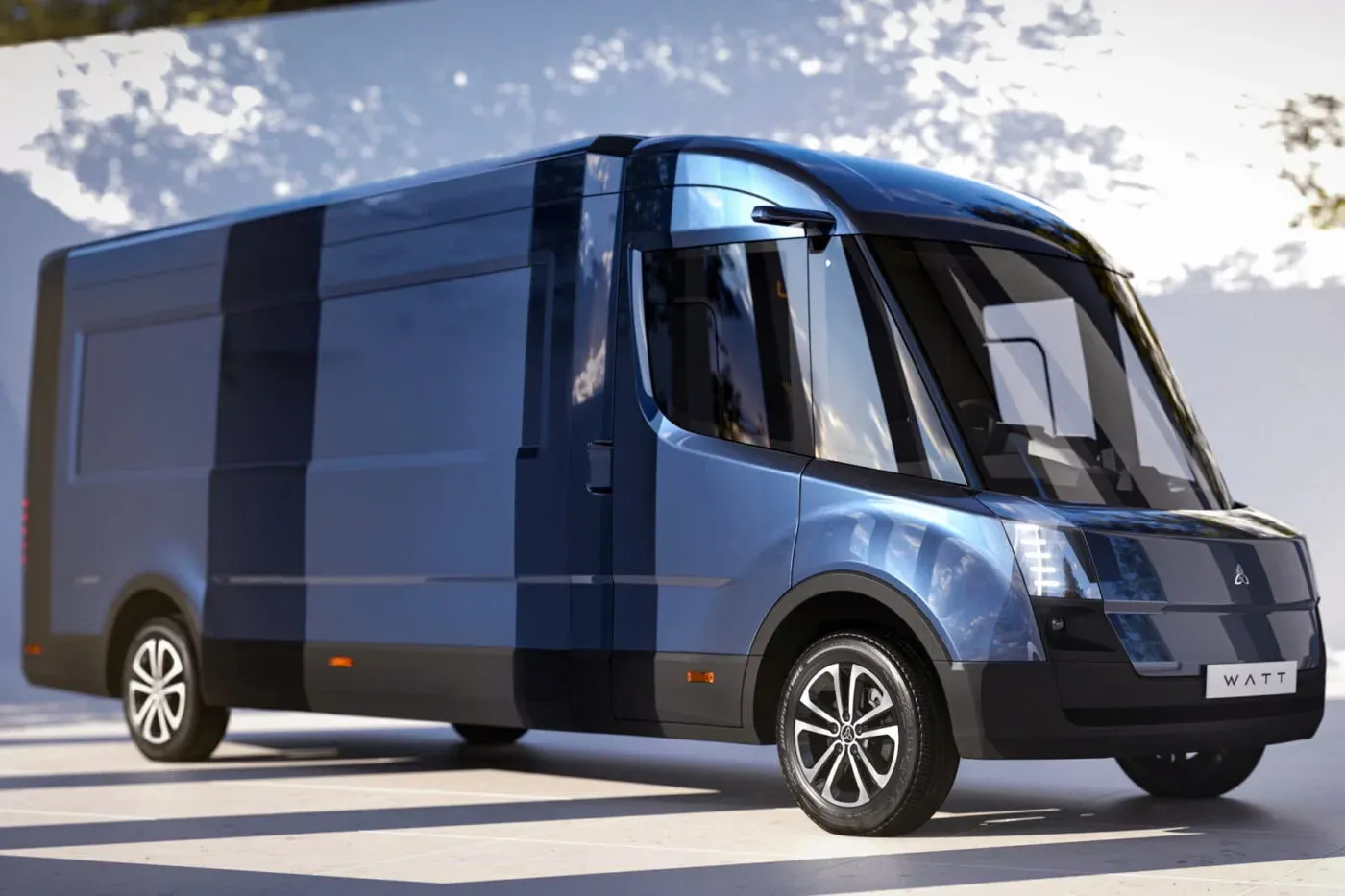
Image: WEVC
According to Autocar, the vehicles will be designed and engineered in the UK; specifically, at a new facility WEVC plans to open in the Midlands in addition to existing sites in Cornwall and Worcestershire. Once the factory opens, it will focus produce two vehicles: a passenger EV and a medium-sized delivery van along the lines of WEVC’s recently developed eCV1. Initial output is planned at around 5000 vehicles per year, with production capacity expected to scale over time.
Both models will use WEVC’s PACES platform – a lightweight bonded-aluminium architecture designed for low-volume EV production. It uses lightweight extrusions that interlock and are bonded together through the company’s FlexTech system allowing the chassis to be manufactured with less expensive tools and machining.
The modular architecture uses patented extrusions and joining components to simplify vehicle assembly and reduce tooling and manufacturing costs. The platform can underpin different vehicle types and drivetrain configurations, allowing WEVC to adapt its architecture to a variety of applications.
The Qatari vehicles will also be engineered specifically for the region, with WEVC highlighting thermal management, battery performance in high temperatures, and local driving patterns as key considerations. Initial production will serve the Qatari market before expanding to exports across the Gulf Cooperation Council and select international markets.
The agreement will then act as a blueprint for WEVC’s wider international expansion; WEVC founder and CEO Neil Yates is quoted as saying: “We want to be a partner in local manufacturing operations around the world. Our way of making cars is being seen as a very effective way of coping with geopolitical difficulties like the rise of tariff barriers. It’s also very cost-effective because it requires low capital expenditure.” He also linked it to existing plans by the company to establish its own EV manufacturing base in the UK, as well as satellite operations in the US and Asia.