
Hungary is reviewing deals with BYD and CATL. Subsidies and approvals are under renewed scrutiny
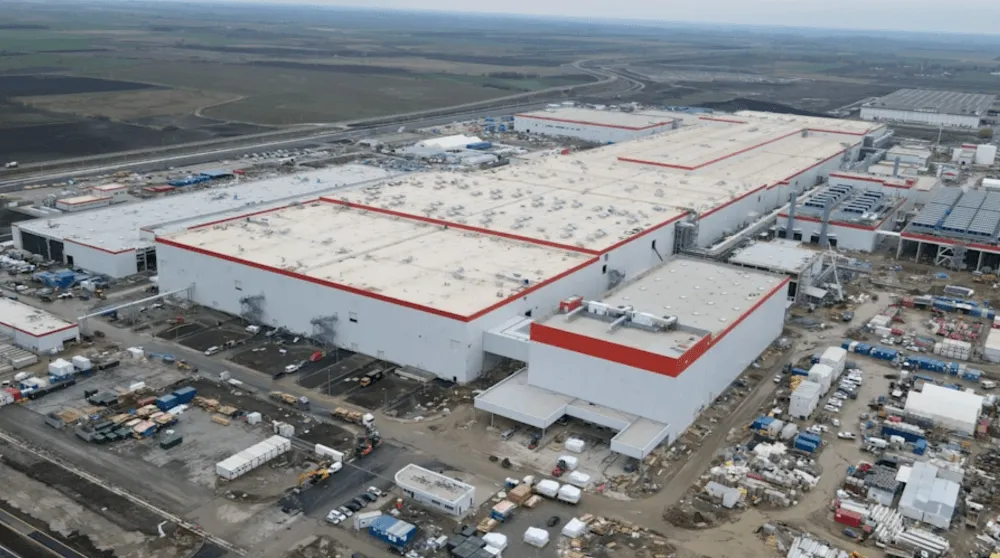
The new Hungarian government led by Péter Magyar has been reviewing investment agreements previously made with Chinese EV and battery companies since May 2026. These include BYD and CATL, as well as stricter environmental and labor regulations that could impact the pace of factory expansion.
For drivers in Europe, this is not just a political curiosity. It could affect the timing of production capacity activation and subsequently the availability of vehicles and batteries.
BYD has a lot to lose in Hungary
BYD has established a very strong position in Hungary. The brand’s first European passenger car factory is being built in Szeged, where trial production began at the start of 2026, with target output gradually reaching 200,000 cars per year. In addition, the company’s European headquarters and R&D center were moved to Budapest in 2025, along with an electric bus factory and a battery assembly plant.
The new government now wants to revert to the agreements from Viktor Orbán’s era. According to Nikkei Asia, details revealed in July included promised government support and the possibility of hiring around 10,000 Chinese workers. This already has political overtones, but there’s also the issue of working conditions.
China Labor Watch, after speaking with Chinese workers, described workdays of up to 14 hours a day, seven days a week at the new BYD factory. That’s poor. The Hungarian government must now examine not only the subsidies themselves but also the administrative approvals and other state obligations related to BYD’s entry into the country.
There is also a personnel aspect. Péter Szijjártó, former minister of foreign affairs and trade who negotiated the establishment of BYD in Hungary during Orbán’s rule, joined BYD in July 2026 as head of external relations and new business development. Such a move always looks bad when someone starts counting public money shortly after.
CATL Has Already Been Touched, and Oversight Is Set to Be Stricter
There is also increased focus on the battery industry. Hungary is preparing new rules under which factories that violate environmental regulations will no longer receive preferential treatment in procedures. A new agency for overseeing environmental compliance in battery plants is also set to be established. It will have the authority to enter factory premises and suspend production in case of violations. This is no longer just public relations.
This mainly applies to CATL and its plant in Debrecen. Module production is already underway there, but the start of actual cell production has been delayed. The cell factory was initially designed for 40 GWh per year, with the capacity set to increase to 100 GWh in the long term.
At the end of August, Hungary’s work safety authority temporarily halted operations in three areas of the cell production building. Earlier, nine workers were found to have high exposure to nickel, and subsequent inspections also revealed issues with protective equipment. Meanwhile, the full approval for starting cell production was delayed. The first phase of expansion received approval at the end of August, but the application for the second phase was rejected for now due to formal reasons.
There have been further environmental violations. In August, CATL was fined for issues such as inadequate labeling and storage of hazardous waste. As early as June, authorities revoked the operating license of the Chinese separator manufacturer Semcorp after detecting elevated levels of metals in groundwater near its plant in Debrecen.
The new government has not announced the end of economic cooperation with China. It’s simply the end of an era of special treatment. The question is whether this will remain just on paper or if we’ll see real delays for BYD and CATL in Europe?
LovEV Newsletter
Want more content like this?
Sign up — we’ll send you a weekly summary once the newsletter starts.