
Due to fuel shortages? Russia doubles electric vehicle sales
The number of new registrations for electric vehicles and plug-in hybrids in Russia more than doubled during the summer compared to the previous year. This trend may also be partly due to Ukrainian counterattacks on Russia, which hit refineries and caused fuel shortages.
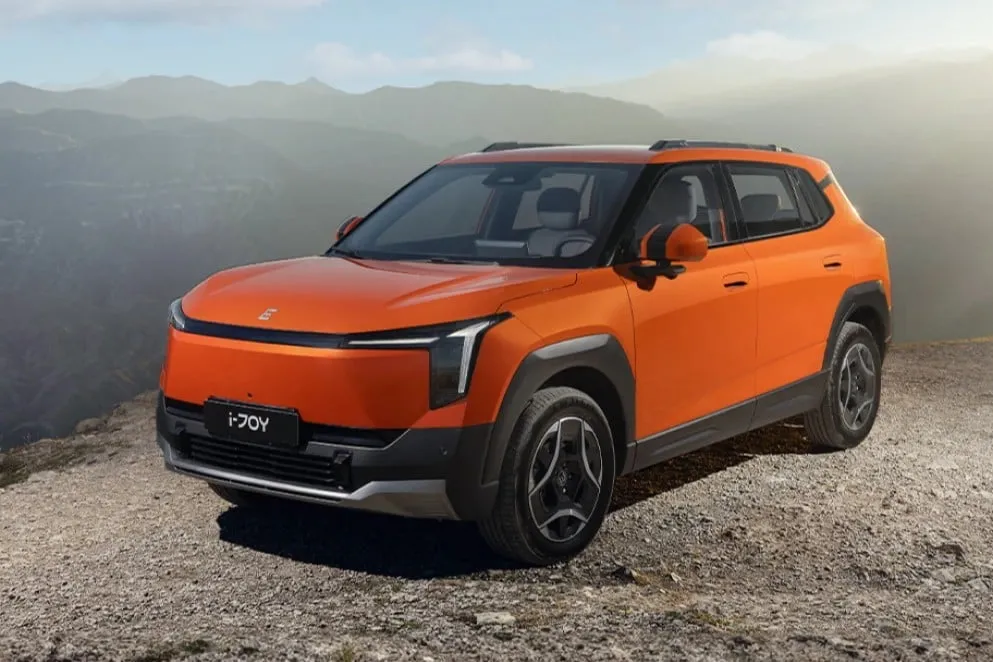
The Evolute i-Joy is based on the Dongfeng Fengon E3
Image: Evolute
In Russia’s war of aggression against Ukraine, the neighboring country has been defending itself since June through various measures, including targeted attacks on oil refineries in Russia. As a result, the supply of gasoline and diesel to Russian gas stations has been severely disrupted since then. It is precisely this fuel shortage that may have led to a significant increase in sales of fully electric vehicles and plug-in hybrids — even though the country has so far been a challenging market for vehicles with charging capabilities due to its limited charging infrastructure, vast distances, and harsh climate.
However, given that some refineries had to shut down following Ukraine’s counteroffensives, Russian gasoline production has recently dropped to only about 70 percent of its usual domestic consumption, according to news agency Reuters. Due to these shortages, Russian drivers have had to spend hours searching for fuel and queue at gas stations, as shown in news photos from Russia. Conversely, the number of charging sessions at Rosatom’s public charging stations rose significantly by the end of June.
Russia with a 117.8 Percent Increase
Although the actual connection cannot be proven, the numbers speak quite clearly: Sales of new electric vehicles and plug-in hybrid cars reached 26,543 units between June and August this year, according to the analytics service Autostat. In the same period last year, there were only 12,187 vehicles of this type. Sales have thus more than doubled (+118%), though still at a low level: Electric vehicles and plug-in hybrids accounted for only 4.3 percent of total car sales in Russia last year, according to Autostat.
The noticeable surge in demand in the Russian electric vehicle market is being met almost entirely by Chinese manufacturers, which benefit from the new market dynamics. Since European, American, Japanese, and South Korean automakers have turned away from the Russian market due to Russia’s war of aggression against Ukraine and the extensive international sanctions since 2022, suspending all exports and local production, brands from the People’s Republic are filling the void.
Chinese manufacturers benefit
Chinese NEV brands such as Zeekr and Li Auto have a particularly strong presence, reaching urban consumers in cities like Moscow through official sales channels, parallel imports, or independent dealers. At the same time, state-backed local brands like Evolute and the revived Moskwa Group are entering the market by assembling and selling Chinese models (including those from partners such as Dongfeng or JAC) under their own names. An example is the compact electric SUV Evolute i-Joy, which is based on the Dongfeng Fengon E3. CKD kits from Dongfeng are primarily used for assembly at Evolute’s factory in Lipezk. Under a government subsidy program, buyers currently receive a 35 percent discount on the purchase price.
By the way, Ukraine has also seen strong electric vehicle sales for some time now, with not only Chinese brands but also VW Group’s Chinese-made models being popular as gray imports there.