
Webasto’s Technical Director: Why Car Roofs Are Changing in Electrification
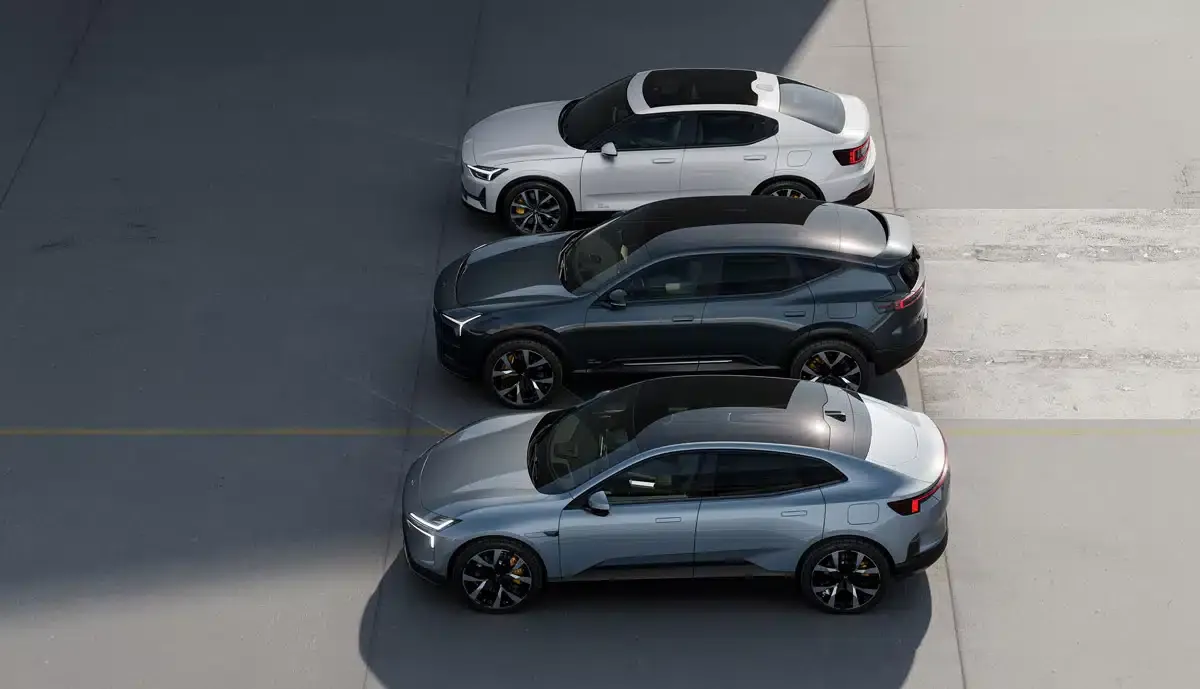
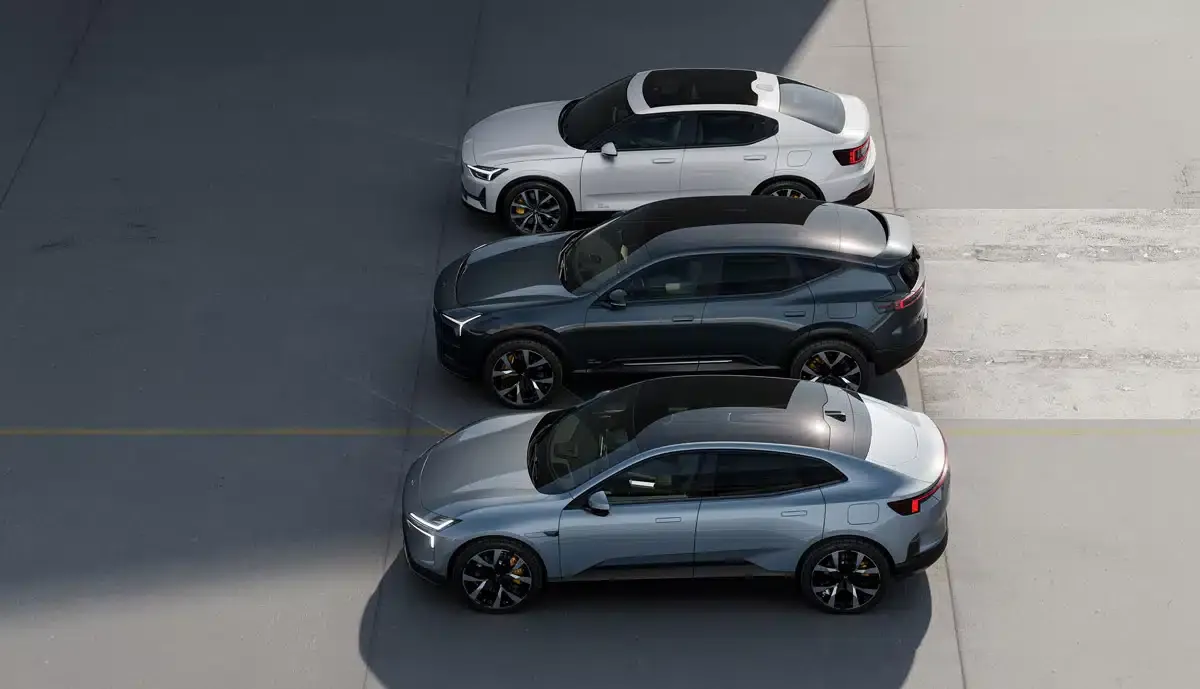
Image: Polestar
The development of roof systems is undergoing changes in the era of electric mobility. As Webasto’s technical director Marcel Bartling explained in an interview with Edison, the integration of batteries in the underfloor area, along with requirements regarding aerodynamics and CO2 emissions, have led to open roofs becoming less common.
To preserve interior space, manufacturers often replaced mechanical systems with fixed glass panels, according to Bartling. Additionally, high development complexity and limited budgets for simultaneously developing internal combustion engines and electric vehicles have hindered the trend toward convertibles. Design influences such as Tesla also contributed to the preference for fixed glass surfaces.
Currently, according to the Webasto manager, a market shift is emerging as manufacturers are once again discussing openable functions. Customers desire openness for fresh air and unobstructed views on the one hand, but also options for shading to protect themselves from sunlight on the other. This is creating market dynamics, especially in very sunny regions or China.
Bartling says that in terms of roof materials, traditional folding metal roofs are hardly relevant anymore due to the high weight of vehicles equipped with batteries. Fabric roofs offer significant weight advantages in this regard without any functional or acoustic disadvantages compared to metal roofs. Webasto is also working on solutions to minimize the height of mechanical components, so as to maintain headroom despite limited space caused by batteries in the floor. The goal is for roofs to appear visually like continuous glass surfaces while still being able to be opened.
"We are currently even working on a glass panoramic roof with an extremely large opening function — comparable to the opening width of a folding roof that extends over the rear seats," reported Bartling. In terms of shading technologies, Webasto is developing both switchable glass with a greater switching range and optimized roller systems with reduced mechanical height. According to the supplier, demand for both solutions continues to exist, from both automakers and end consumers.
Also interesting
About the author
Thomas Langenbucher is an expert in electromobility with professional experience in the automotive industry and finance sector. Since 2011, he has been covering electric vehicles, sustainable technologies, and mobility solutions on ecomento.de. Learn more.
Reader interactions