
Wayve and Uber’s London robotaxi project passes key hurdle
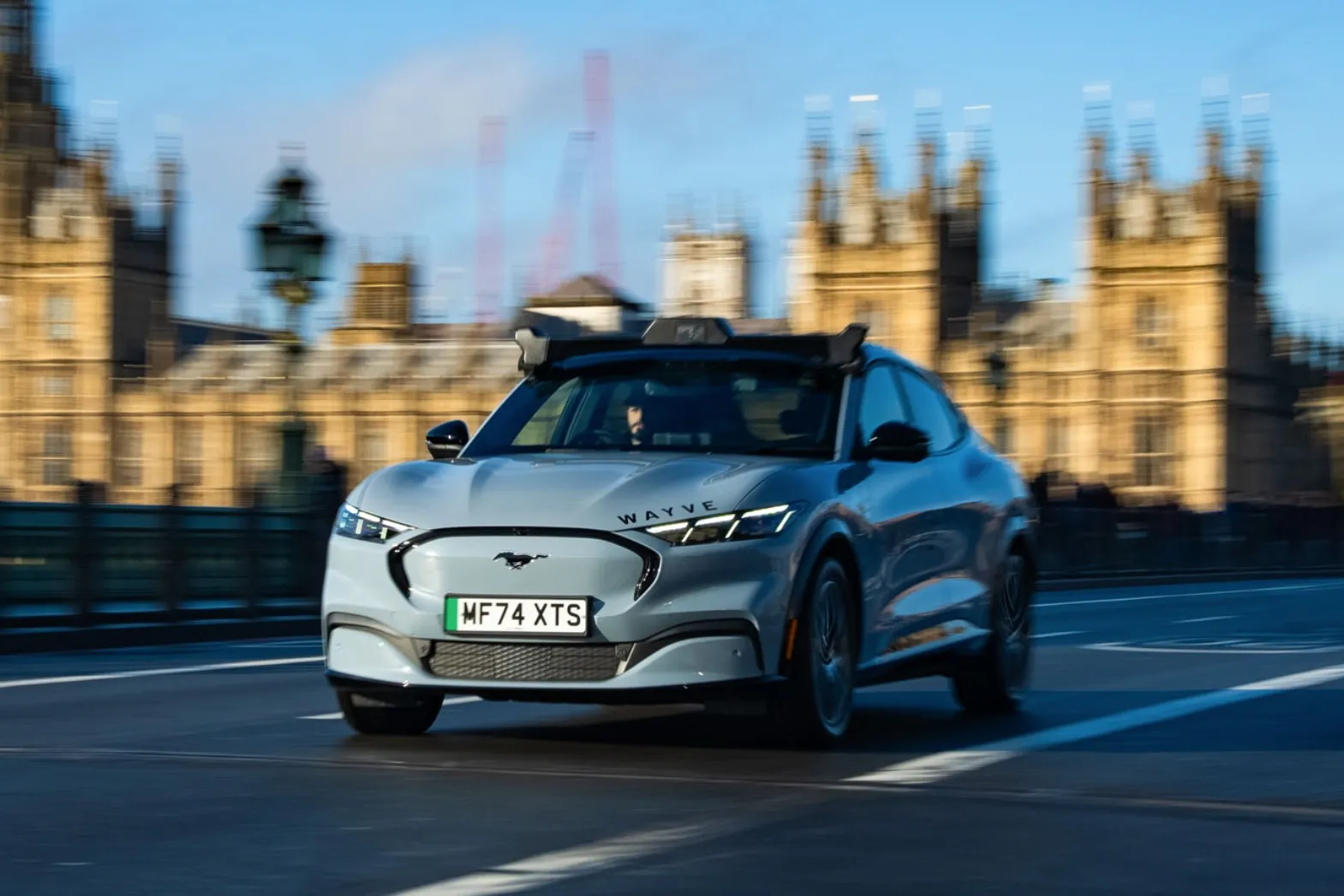
Uber and Wayve have cleared a major hurdle for launching a robotaxi service in London: Transport for London (TfL) has issued 'Private Hire Vehicle' licences for some Wayve robotaxis. However, this is far from the only approval required for robotaxi operations in London; others are still pending.
Transport for London (TfL) has issued Private Hire Vehicle licences for a fleet of fully electric Ford Mustang Mach-E models modified by Wayve for autonomous driving. The vehicles are equipped with Wayve’s AI Driver, as well as surround-view cameras and radar. They have undergone inspections by TfL to confirm compliance with the transport authority’s standards.
The licensing of these vehicles meets the ‘triple lock’ requirement for private hire journeys, including those operated by ride-hailing services. This requirement stipulates that the operator, driver, and vehicle must all hold licences from the same regulatory authority. The journeys will operate under the UK’s AV Trialling Code of Practice and Uber’s TfL licence.
Safety driver must remain on board in London
While Wayve’s vehicles are designed to operate autonomously and conduct journeys independently, a trained and TfL-licensed safety driver must remain on board for now. Their role is to monitor the trip, provide assistance, or take control of the vehicle if necessary.
Interest in robotaxis among London’s population is high, with over 100,000 people joining Uber’s waiting list in the past eight weeks. Selected users from this list are expected to participate in initial test rides this summer, allowing them to experience the service ahead of its official public launch.
Sarah Gates, VP of Global Affairs Assurance at Wayve, stated: “This licence is an important step towards giving Londoners the chance to experience autonomous driving technology.” She added: “The responsible deployment of these vehicles will bring us safer, cleaner and quieter streets, and we’re proud to continue working alongside regulators, communities, and the public as we take the next steps towards making autonomous rides a reality in the capital.”
Annie Duvnjak, Global Head of Autonomous Mobility Operations at Uber, said: “This licence is a key milestone in bringing autonomous rides to London on Uber.” She added: “Our interest list has seen an incredible response from Londoners who are excited to experience Wayve’s British-built autonomous driving technology.”
Milestone reached – but further barriers remain
Although the licences granted by Transport for London to Wayve mark a key milestone for the partnership, they are only one of several necessary regulatory approvals. For a widespread and fully driverless robotaxi service to operate in urban areas, several additional regulatory hurdles must still be overcome under UK testing and approval laws, as well as local legislation. These include comprehensive safety demonstrations and obtaining an operating licence. As recently as June, the UK launched an application process for operating licences for robotaxi pilot projects.
In February, Uber participated in a billion-pound funding round for Wayve. At the time, the ride-hailing platform announced plans to launch a robotaxi service with Wayve in more than ten global markets, including London. In a similar project in Tokyo, the two companies have already secured Nissan as an additional partner.