
Waymo will start mapping Munich in the upcoming weeks. Germany will wait until 2027 for robotaxi services.
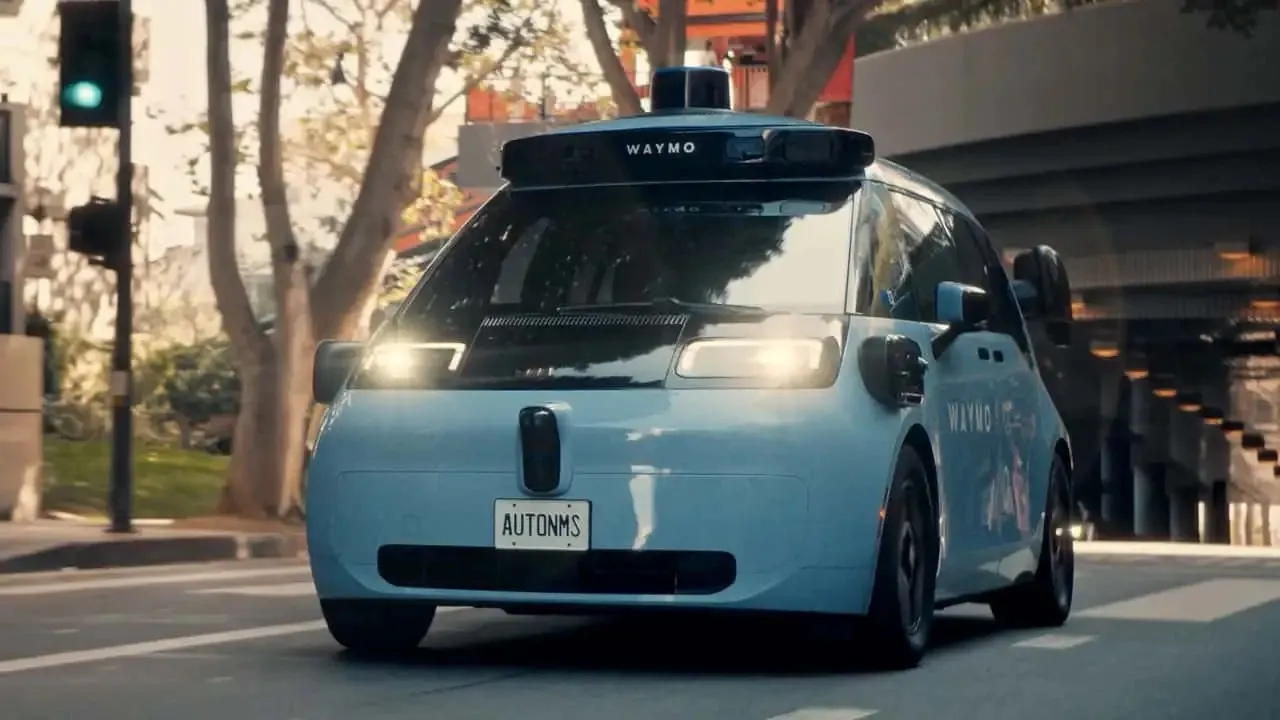
Waymo has announced its entry into Germany and will send its vehicles onto the streets of Munich in the coming weeks. This will not yet be autonomous driving, as the cars will be operated by the company’s staff who collect data on the city and local traffic conditions. For drivers in Europe, this is a more significant news item than it might seem at first, as Waymo is starting with real-world operations rather than just theoretical plans.
Waymo’s vehicles will appear in Munich within a few weeks, but the company makes it clear that at this stage the cars will be driven manually, under the control of its “trained autonomous specialists.” The goal is simple: to map the streets of Bavaria’s capital and gather data on what Waymo refers to as local “varied driving conditions.”
This makes sense because Munich isn’t a copy of Phoenix or Austin. The traffic patterns, public transportation, cyclists, and pedestrians create an entirely different environment there compared to many American cities where Waymo is already operating commercially. On paper, every robotaxi is “autonomous.” But then there’s the tram, dense buildings, and bicycles squeezing past cars.
Commercial launch only at the end of 2027
The key figure here is this: Waymo does not plan to launch its autonomous transportation service commercially in Germany before the end of 2027. And that’s assuming everything goes according to plan.
In other words, yes, Waymo is heading to Germany, but no, Germany won’t get robotaxis in a few months. This is more of a long buildup rather than a quick debut. The company’s other European target is London, so it’s clear that expansion on this side of the Atlantic has already begun.
In a statement, Waymo co-CEO Tekedra Mawakana described Munich as a “global hub for mobility and engineering” and added that the company aims to invest locally, establish fleet operations, and create specialized workspaces. It’s corporate standard, but the key point is this: Waymo isn’t just talking about testing here, but about preparing for a full-service offering.
Germany gives regulatory green light
The second important aspect is political. Germany’s transportation ministry clearly supports this direction. Christian Hirte, state secretary at the ministry, stated that autonomous driving is key to future mobility, and Germany aims to become a global leader in innovation and production in this field. He added that the country already has legal frameworks in place for such solutions, and Waymo has recognized Germany’s predictable regulatory environment.
This might actually be more important than the test drives themselves. Without regulatory approval and clear rules, robotaxis remain just a technological demonstration. With proper regulations, they can become a real service.
From a Polish perspective, one thing is worth remembering: if Waymo indeed launches a commercial service in Munich by the end of 2027, Europe will experience the first large-scale test of this technology in dense, more “typical” urban traffic, rather than just in the sunny cities of the U.S.
Munich will serve as a test for Waymo not so much in terms of technology, but rather in terms of its resilience to European daily life. Do you think robotaxis will be adopted more quickly in Germany, or will they remain treated as a novelty for a long time?
LovEV Newsletter
Want more content like this?
Sign up — we’ll send you a weekly summary once the newsletter starts.