
Reports suggest Waymo is also preparing a robotaxi service in Berlin.
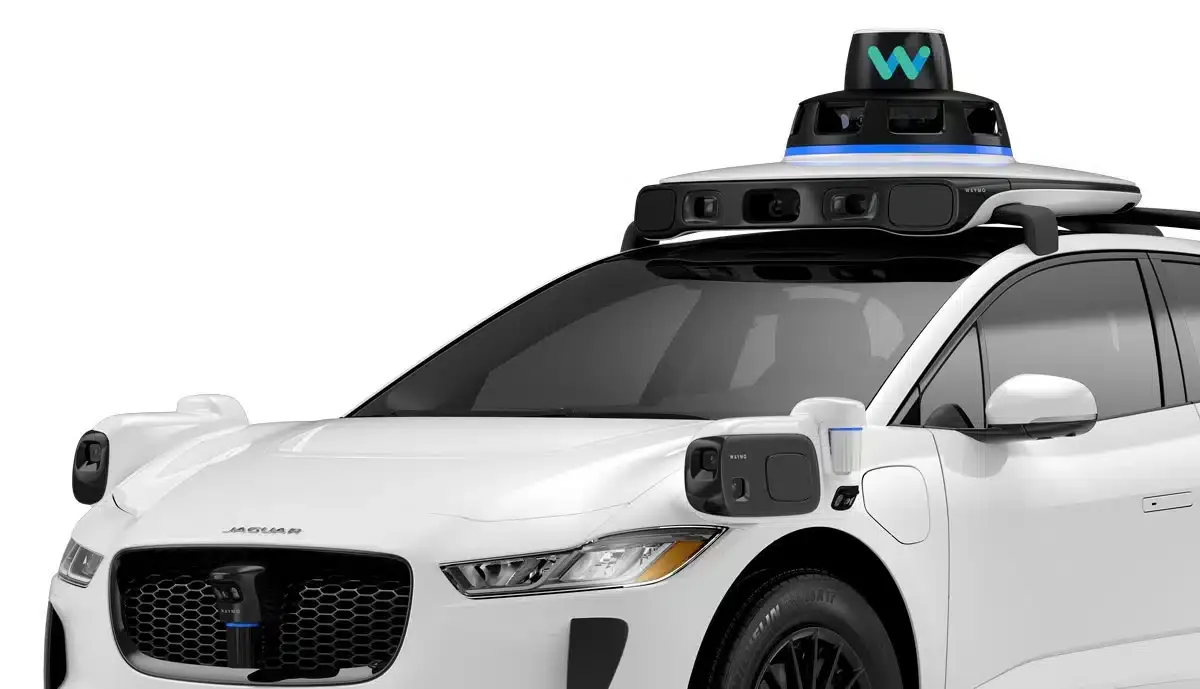
Image: Waymo (illustrative)
Following its already confirmed expansion to Munich, Waymo appears to be preparing a robotaxi service in Berlin as well. According to a joint investigation by Manager Magazin and Spiegel, internal documents from Berlin’s city administration reveal that Alphabet, Google’s parent company, intended to map the capital using up to 50 vehicles in test operations.
Originally, equipped vehicles, likely electric ones, were supposed to be tested on Berlin’s streets in 2026 as well. A commercial service was planned for 2027. According to Berlin, negotiations with Waymo are “highly advanced.” From an administrative perspective, starting the testing this year is “possible.” Waymo itself has not officially announced a launch of robotaxis in Berlin yet. The official statement only says they “very much want to bring the service to other locations across Germany.”
The report states that the American autonomous shuttles are arriving in Berlin later than expected due to “internal processes.” Plans for Munich, however, have already been confirmed: Waymo announced on August 25, 2026, that it will first use manually driven vehicles to create high-resolution maps of the road network there. Subsequently, tests of the automated driving system with trained personnel at the wheel are planned, before operating without drivers begins. Waymo aims to make the commercial service available to the public in the Bavarian capital by the end of 2027.
Technically, Waymo relies on a combination of cameras, lidar, and radar sensors for its so-called Waymo Driver. For its existing services, the company reports over 500,000 trips per week and more than 350 million kilometers traveled on public roads. However, experiences from the U.S. do not replace local validation; for Munich, Waymo explicitly outlines adjustments to German traffic rules, signs, as well as local specifics regarding lanes, priority rules, and cyclists and pedestrians.
Also interesting
About the author
Thomas Langenbucher is an expert in electromobility with professional experience in the automotive and financial industries. Since 2011, he has been covering electric vehicles, sustainable technologies, and mobility solutions for ecomento.de. Learn more.
Reader interactions