
Washington will force Ford’s Chinese partners to leave
Among Ford’s partners are several names that the U.S. government in Washington does not like at all: CATL supplies technology for future battery production in Michigan. Ford is also now working with Geely in Europe. U.S. Transportation Secretary Sean Duffy would prefer to get rid of these Chinese business partners.
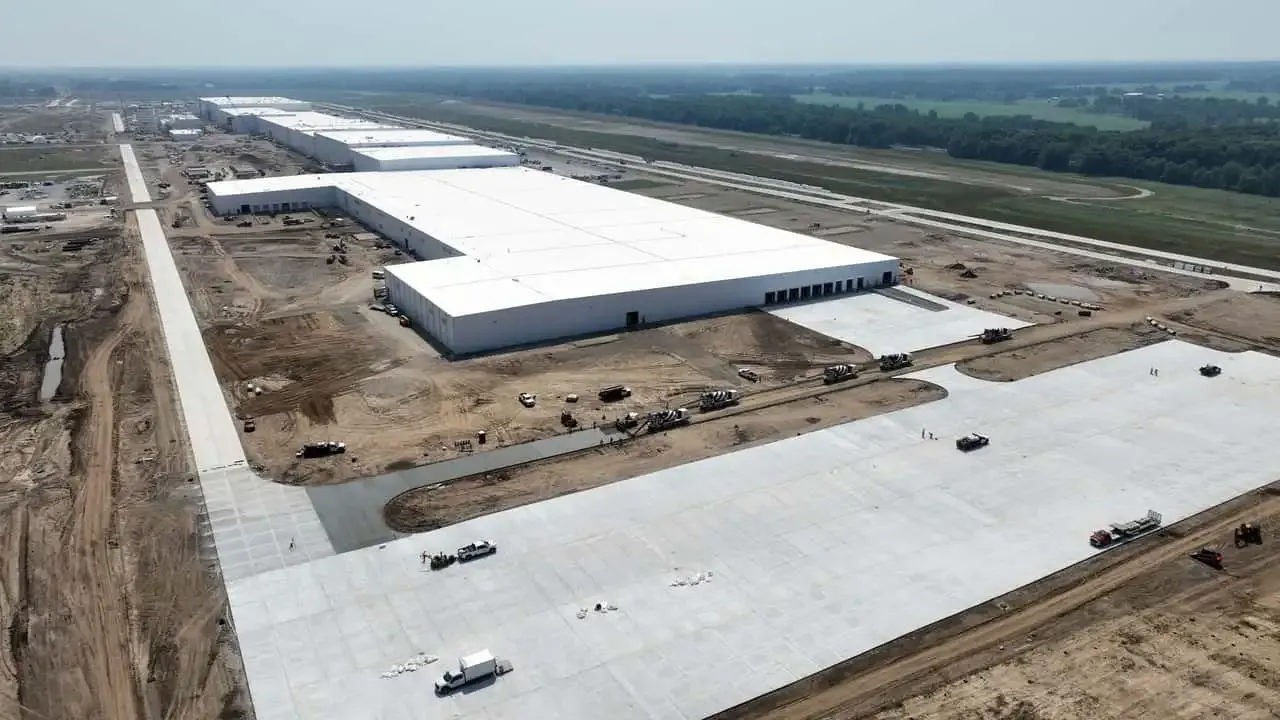
Ford plans to produce LFP cells using licensed CATL technology in Michigan.
Image: Ford
In a letter to Ford CEO Jim Farley, Duffy expresses “deep concern” over the U.S. automaker’s ties to Chinese companies. As reported by InsideEVs, the transportation secretary is urging Ford to reconsider its partnerships with firms in the People’s Republic. In addition to cooperation with Geely[](https://www.electrive.net/2026/08/18/geely-will-ab-2028-in-volvo-werken-produzieren/) and the continued production of certain Lincoln models in China, the criticism primarily targets Ford’s partnership with CATL.
At BlueOval Battery Park in Michigan, Ford will use licensed technology from a Chinese battery manufacturer to produce LFP cells. Duffy expresses “profound concern” in his letter over the continued reliance on CATL’s technology. Chinese suppliers, particularly CATL, are among the leading players in LFP battery production.
Ford rejects the criticism. The company emphasizes that the facility in Michigan is entirely owned by Ford, controlled by the automaker, and operated with its own employees. The partnership with CATL is a limited technology and service agreement, not a joint venture or a production site owned by China.
Ford defends the CATL model
The key difference lies in the structure of the deal. Ford produces the battery cells itself in the U.S., but it relies on technology and expertise from CATL for this purpose. The company argues that while other manufacturers continue to import Chinese batteries, Ford is investing in its own U.S.-based production. The automaker described Duffy’s letter as a misguided attempt to create headlines.
The connection to CATL has been politically controversial for some time. Ford is now increasing production in Michigan. The LFP cells manufactured there are intended for the company’s upcoming electric vehicles, among other uses.
Duffy also focuses on Ford’s growing partnership with Geely. The two manufacturers only finalized their cooperation in Europe in July. Starting in 2028, two electric SUVs from the Chinese company are set to be produced at Ford’s Valencia plant, and the companies also plan to develop another model together for the European market.