
Why Renault chooses retro design for its electric cars
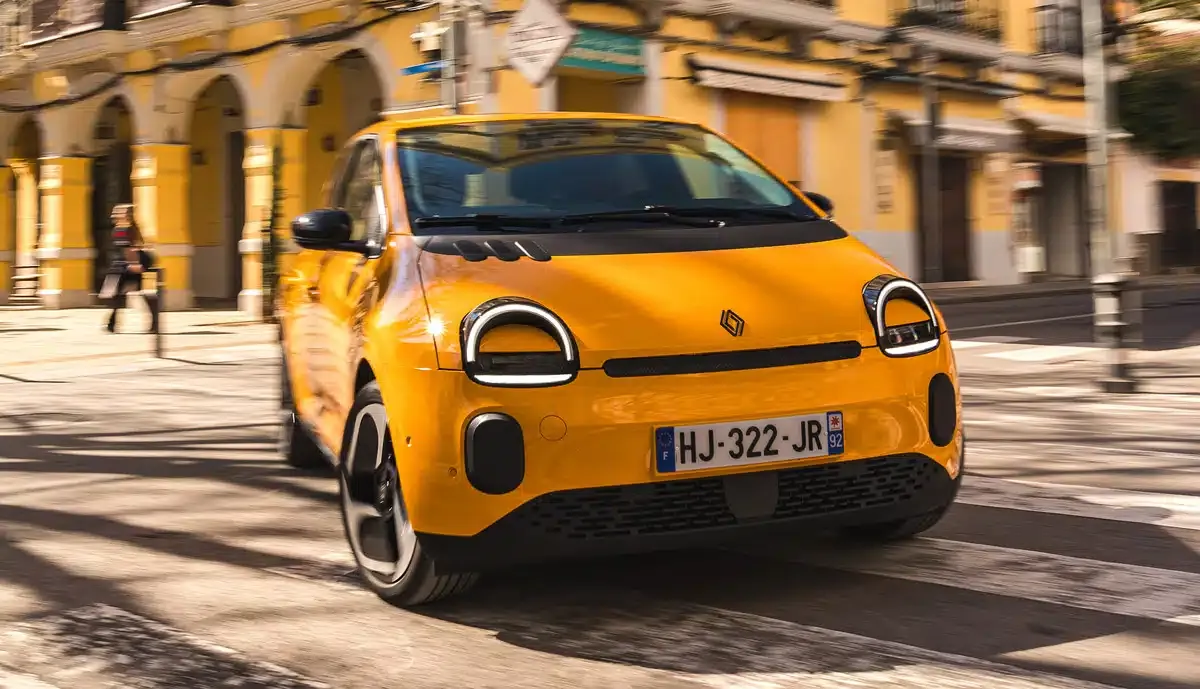
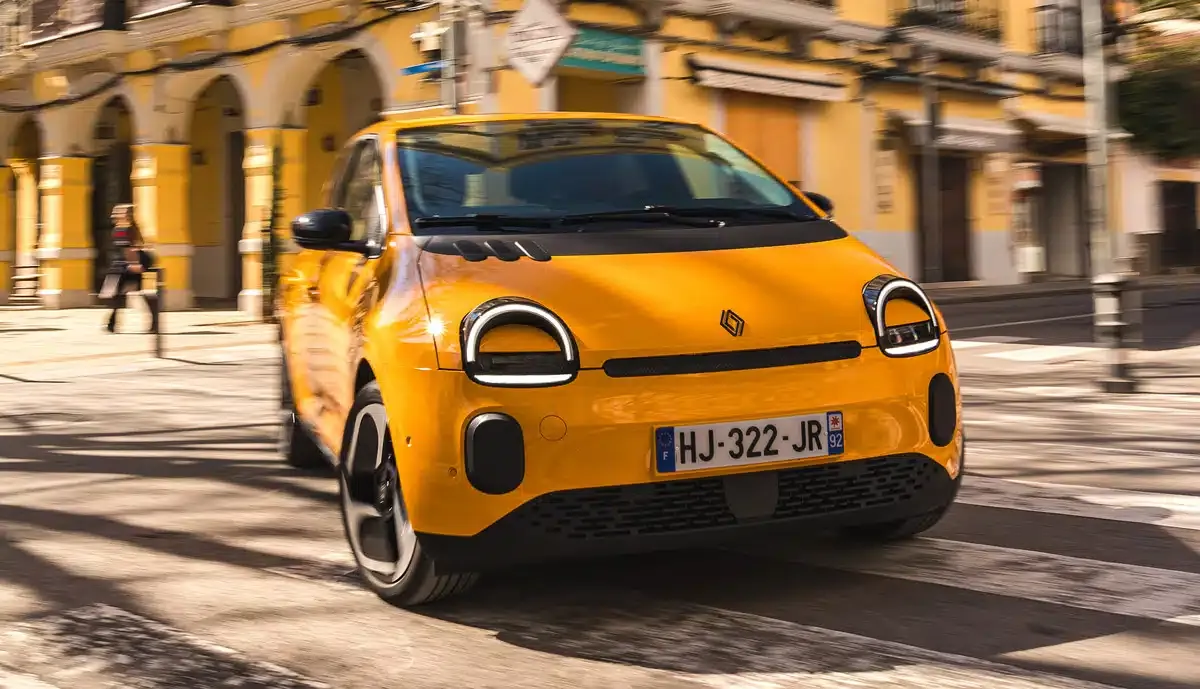
Image: Renault
Renault’s chief designer, Laurens van den Acker, explained in an interview with the Edison portal the strategy behind the current retro trend in electric vehicles. The French brand’s focus is on using historical icons as a differentiating feature, as brands are becoming increasingly similar due to the uniform technology in electric platforms.
The revival of models like the Renault 5 or Twingo serves to build a bridge between the past and the future. While older generations recall the originals, the design resonates with younger customers. These vehicles are not purely nostalgic but are designed to be contemporary through modern proportions and surfaces.
A key aspect of electric vehicle architecture is the ability to achieve compact proportions. By eliminating large overhangs that would be necessary with internal combustion engines, the Renault 5 can visually resemble its predecessors from the 1970s and 1980s.
"What’s important to me is that a Twingo or R5 doesn’t look at all nostalgic," said van den Acker. "With modern proportions, 18-inch wheels, and flawless surfaces, it’s an absolutely contemporary car. It’s not pure nostalgia but a bridge. The technology underneath is highly modern after all."
In addition to small cars, Renault is also targeting the van segment with the concept car E-Space. The model aims to embody brand values such as design and space efficiency. According to van den Acker, such a space concept makes sense thanks to the advantages of electric drive, like quiet operation and comfort.
In light of competition from China, the designer acknowledges the strengths of Chinese manufacturers in terms of price, technology, and development speed. He believes European manufacturers need to make their technological capabilities more visible and should have established dealer and service networks. The challenge for the coming years is to maintain clear distinctions among the group’s brands (Renault, Dacia, Alpine). Design is a crucial tool for generating emotional appeal and standing out in a competitive market environment.
Also interesting
About the author
Thomas Langenbucher is an expert in electromobility with experience in the automotive and financial industries. Since 2011, he has been covering electric vehicles, sustainable technologies, and mobility solutions for ecomento.de. Learn more.
Reader interactions