
Wales grants decade-long rates relief for EV charging sites
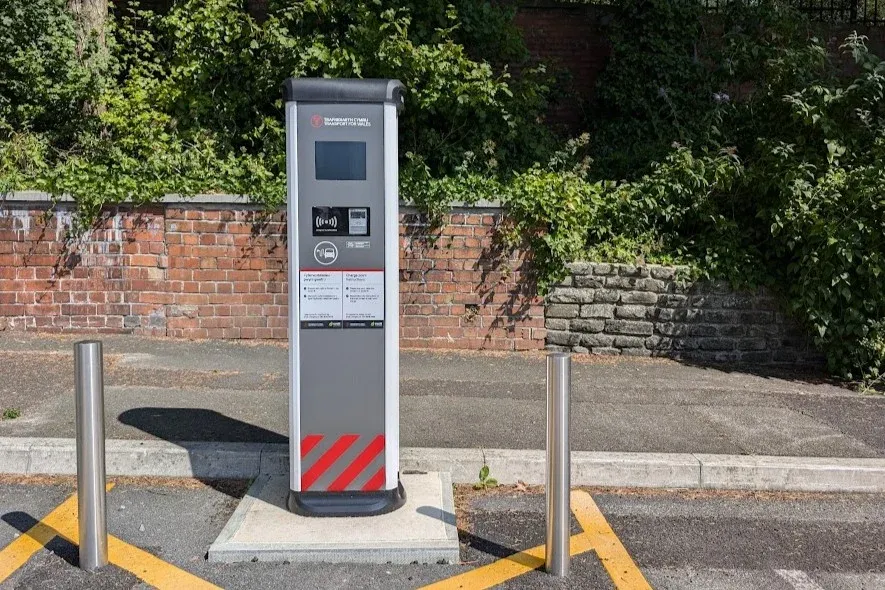
Electric vehicle charging bays and forecourts in Wales will receive 100 per cent relief from non-domestic rates until 2036. The Welsh government says the measure should support investment in charging infrastructure, particularly in underserved areas.
The Welsh government is granting EV charging bays and forecourts full relief from non-domestic rates, a property-based tax on commercial premises, until 2036. For the current financial year, local authorities will be asked to grant the 100 per cent relief through their discretionary powers. Where applicable, they can backdate the relief to the beginning of the 2024-2025 financial year.
The policy particularly targets the expansion of charging infrastructure in parts of Wales that currently have relatively few charging points. By setting out the relief until 2036, the government aims to give charging operators greater certainty over the costs associated with developing and operating sites.
“The switch to electric vehicles is a huge opportunity to cut emissions – but that transition will only work if people can rely on the infrastructure to support it,” said Elin Jones, Wales’ Cabinet Minister for Finance. “This relief removes a potential barrier to investment in Wales, giving operators the certainty they need to keep expanding infrastructure, without the risk of unexpected rates bills.” She added: “Providing this support for a full decade sends a clear signal that Wales is serious about building a charging network we can all depend on.”
The measure follows another initiative aimed at expanding charging infrastructure across Wales. In March, Transport for Wales gave all 22 Welsh local authorities free access to the ChargePoint Navigator, a planning tool designed to help councils identify suitable locations for new charging infrastructure. It combines data including grid information, charging requirements, off-street parking availability and connection costs to support decisions on new sites.
Transport for Wales described the rollout at the time as part of the Wales Electric Vehicle Charging Action Plan and said it should enable a more coordinated, data-led approach to expanding the country’s charging network.