
Electric vehicles accounted for 37% of the market in Germany in October. There were 94,086 registrations.
In October, Germany registered 94,086 new electric cars. This represents a 79.5% increase from the previous year and a record share of 37% of the market. According to data from the KBA, for the second consecutive month, more electric cars were registered than gasoline and diesel vehicles combined. Additionally, after ten months, the country has already surpassed the industry’s forecast for the entire year 2026, with BYD slightly overtaking Tesla since January.
Table of Contents
Show
Hide
The overall market grew by only 1.7%, to 254,492 vehicles, so the increase in electric cars came at the expense of combustion engine vehicles. 38,516 gasoline cars were registered (a 40.5% decline, accounting for 15.1% of the market), while 23,882 diesel cars were registered (a 21.6% decline, accounting for 9.4%). Together, they make up 24.5% of the market, 12.5 percentage points less than electric cars alone. Plug-in hybrids declined by 7.9%, to 28,499 units (11.2%), and the average CO2 emissions of new cars dropped by 21.1%, to 79.4 g/km.
Since June, when electric vehicles first became the most popular propulsion type with a 28.4% share, the figure has risen every month: 32.4% in August, 34.5% in September, and now 37%.
From January to October, there were 698,230 more electric vehicles (a 60.7% increase), accounting for about 28.2% of 2,476,290 new cars. Throughout 2025, this share was around 19%. The German automakers' association VDA predicted around 693,000 BEV registrations for the entire year of 2026 in December, yet this threshold was reached already in October. At the current pace, the year could end at around 875,000, according to Electrek.
Subsidies Reached Private Buyers
The main driver is a new German subsidy, calculated retroactively for cars registered from January 1. It provides 3,000 euros for a new electric vehicle purchased or leased, while lower-income families with children receive up to 6,000 euros. Households with a taxable income above 80,000 euros (90,000 euros with children) are excluded.
The program targets private customers, where KBA sees a surge. Private registrations rose by 20.6% in October, while corporate registrations fell by 8.2%. Private buyers now account for 40.7% of the market. The government ended the previous subsidy overnight in December 2023, and electric vehicle sales plummeted in 2024.
BYD ahead of Tesla, Leapmotor growing fastest
Tesla’s sales in Germany rise with each quarterly delivery cycle. In September, at the end of the quarter, the company registered 12,552 vehicles (a 268.7% increase), with the Model Y being the best-selling car in the country. By October, only 2,932 Teslas were delivered. The 290.9% growth seems impressive on paper only, as it is calculated from a very low base, resulting in a 1.2% market share. Vehicles for this region are supplied by the Gigafactory Berlin-Brandenburg.
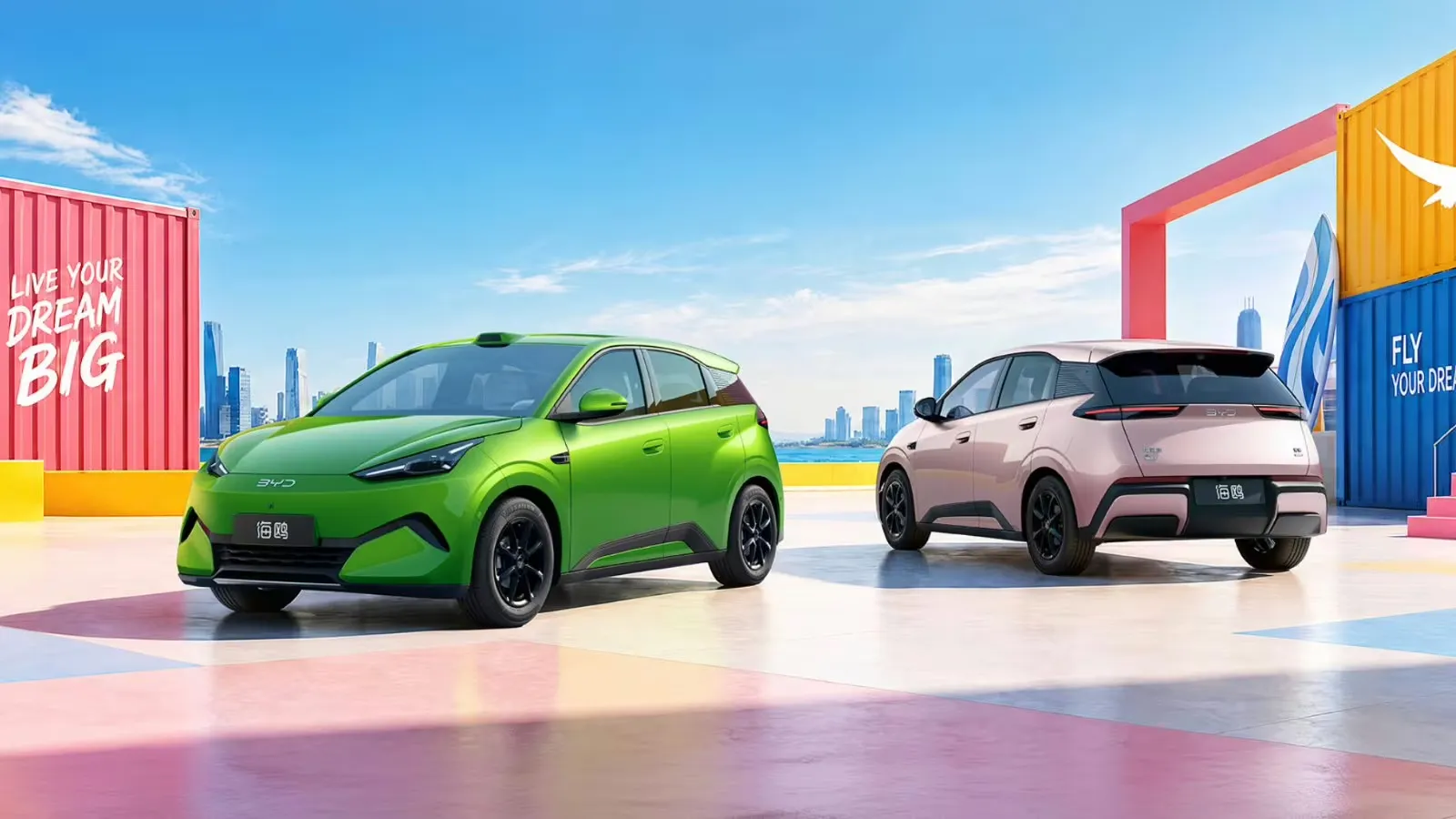
Since January, Tesla has had 47,742 registrations (a 206.1% increase), while BYD has recorded 47,961 (a 216.1% increase). Thus, BYD’s lead is merely symbolic, especially since most of its sales in Germany consist of plug-in hybrids. In October, the Chinese company registered 5,173 vehicles (2% of the market). Leapmotor saw a 288.6% increase to 3,661 units (1.4%), with 19,705 units sold since January. Xpeng reached 1,380 vehicles (a 284.4% increase), while MG reached 4,140 vehicles (a 48.5% increase).
At the top of the electric vehicle sales list remains the Volkswagen group. By the end of September, the best-selling model was the Skoda Elroq (30,845 units), followed by the Tesla Model Y (29,464) and the VW ID.3 (24,352).
German manufacturers not profiting from the boom
In October, VW lost 4% in Germany, Audi lost 8.4%, Porsche lost 5.7%, and Opel lost a whopping 24.1%. BMW remained stable (plus 0.1%), while only Mercedes saw growth, by 8.5%. Volkswagen remains the largest brand in the country with a 18.2% market share, but it has been declining by 5.6% since the beginning of the year.
Volkswagen Group reported an operating loss of 5.9 billion euros for the third quarter, the highest since the Dieselgate scandal. This was driven by write-downs on its stake in Porsche, weak sales in China, and low margins on electric vehicles. The company has already approved plans to cut 100,000 jobs and close several German factories. Mercedes has lowered its profit margin forecast for its passenger car segment to 2-3% for 2026, mainly due to conditions in China.
Sources: electrek.co, teslarati.com
Order your Tesla and take advantage of bonuses for purchasing through a referral link!