
VW will develop faster with the E-car platform SSP, which supports range extenders
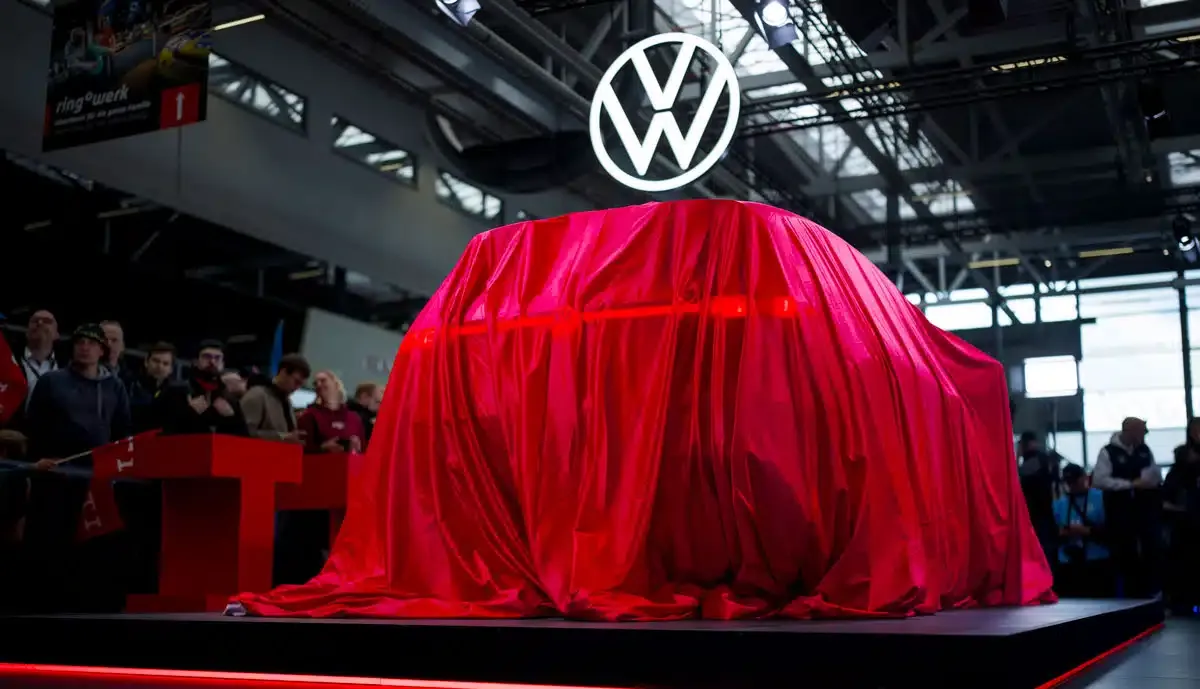
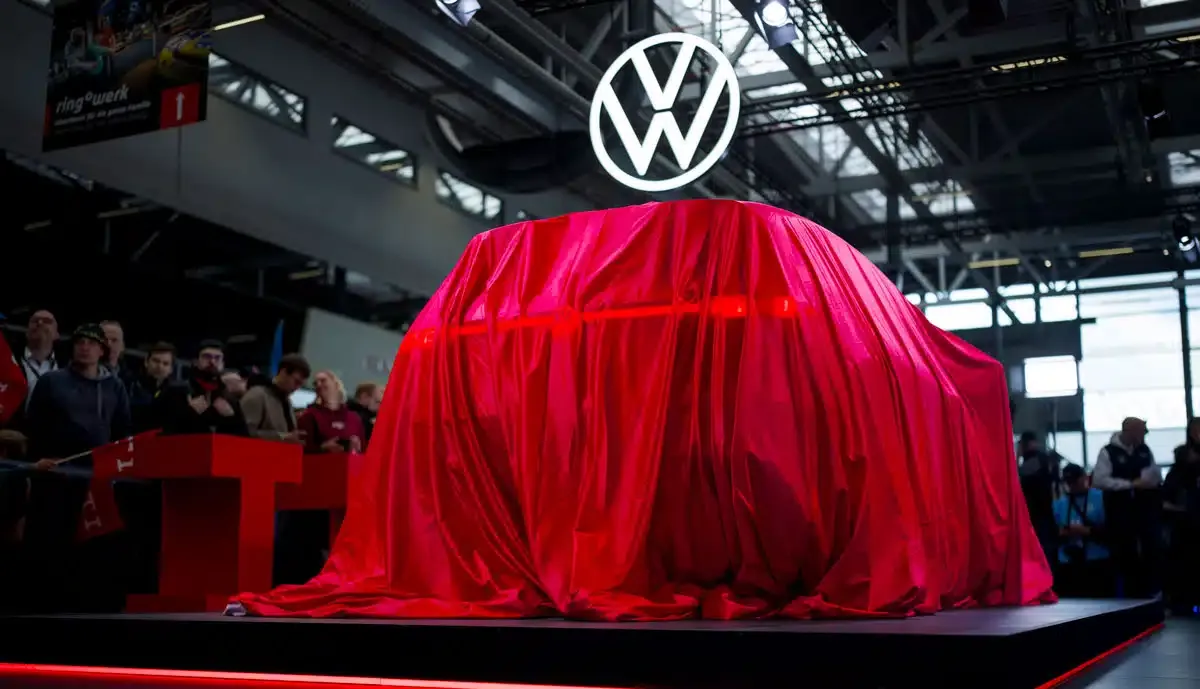
Image: VW (illustrative)
Volkswagen plans to use program PEP 36 to develop products and technologies in 36 months or less, which is about a year faster than before. According to an interview with Auto Motor und Sport, head of development Werner Tietz views artificial intelligence as a key tool and intends to apply it across design, software development, procurement, quality control, and production. Meanwhile, software will no longer need to adapt to the product schedule; instead, the product will be more aligned with the software development cycle.
Tietz believes a 30 to 40 percent reduction in development costs is achievable. He achieves this by reducing duplicate work and making more use of shared group resources, such as in testing within the Core brand group (VW passenger cars, Skoda, Seat, Cupra, VW commercial vehicles). He also sees potential for saving several months from the first hardware prototype to mass production, as pre-development, tools, and supplier processes can reach a higher level earlier.
Common technologies should be used in the future where they create added value, while brands remain distinct in areas that customers can experience. Tietz cites the Electric Urban Car Family, which currently includes the VW ID. Polo, Cupra Raval, and Skoda Epiq, as well as the collaboration between Porsche and Audi on the Taycan and e-tron GT. “Common technology thus creates room for more brand identity,” says the chief developer.
In software-defined vehicles (SDVs), it is crucial to determine when a software stack is ready for production. Models could go into series production based on this, with individual functions added later via updates, rather than developing new software versions and custom solutions for each vehicle. According to Tietz, cooperation with the U.S. electric car startup Rivian supports this software-driven development model. The upcoming SSP (Scalable Systems Platform) electric platform is heavily influenced by the progress of their joint venture with Rivian.
SSP: “Future Platform for Electric Vehicles” in Europe and North America
The SSP will remain the future platform for all-electric vehicles in Europe and North America. It is intended to incorporate technologies such as 800-volt systems, steer-by-wire, and the new regional SDV architecture from the Rivian joint venture. Technically, it also includes the possibility of a range extender,即 a compact internal combustion engine serving as an electric power generator. However, Tietz believes that there is currently little indication that range extenders will play a significant role outside of China.
For internal combustion engines, existing platforms should be utilized, with Tietz believing they still have a future especially in the premium and luxury segments. In Europe, the internal combustion engine market is expected to decline in volume segments in the long term, while Volkswagen plans to introduce more electric models and gradually adjust its internal combustion engine production capacity. The manager describes plug-in hybrids as good bridging technology, though technically complex and relatively expensive. For such part-time electric vehicles, he considers an electric range of around 100 kilometers to be reasonable.
The production version of the compact car ID. Every1 is set to hit the market in 2027 and will be the first model to roll out using the new SDV architecture. Tietz explains that Volkswagen has designed this vehicle to be cost-effective through strict cost management and the scale advantages of the MEB family (Modular Electric Drive Toolkit). He expects further improvements, particularly in battery costs. Additionally, integrated electronic components, standardized battery management systems, modular AC chargers, and other similar small parts are intended to enhance cost, performance, and efficiency.
In the context of assistance systems, Tietz sees artificial intelligence (AI) as an opportunity to improve development and quality. For autonomous driving, AI-based end-to-end systems are already superior to rule-based approaches. He expects vehicles with a high degree of automation in Europe and North America by the end of the decade, starting with systems at Level 2.
Volkswagen’s head of corporate research and development highlights its competitors in China for integrating vehicles with smartphones, smart homes, and digital services. He sees his company’s strengths in the overall vehicle design, quality, safety, driving dynamics, and “a cohesive product package.” The automotive industry has never been about “sprinting” and won’t be in the future either. “What matters is who can best combine technology, quality, design, and customer benefit. That’s exactly on what we focus,” said Tietz.
Also interesting
About the author
Thomas Langenbucher is an expert in electromobility with experience in the automotive and financial industries. Since 2011, he has been covering electric vehicles, sustainable technologies, and mobility solutions for ecomento.de. Learn more.
Reader interactions