
VW to build European EVs on Xpeng co-developed architecture? Don’t rule it out…
News
Using the China Electric Architecture (CEA) could save financially-troubled VW up to nearly £4m.
GE
George East
2 November 2026, 09:30 GMT · 3 min read
The VW Group is reportedly considering using the China Electric Architecture (CEA) it co-developed with Xpeng to underpin up to 75% of the next-generation electric vehicles built by Volkswagen, Škoda, and Cupra.
If green-lit, this would see the German automotive powerhouse pivot on its existing strategy of developing separate hardware and software systems for its Chinese and European markets.
For now, VW uses its European-developed MEB and MEB+ platforms for European and North American EVs. Future electrified models for these markets are expected to run on underpinnings co-developed with US EV maker, Rivian. In China, Volkswagen has three joint ventures: one with SAIC Motor, another with the FAQ Group, and another with with the JAC Automobile Group, which saw it invest $700 million in July 2023.
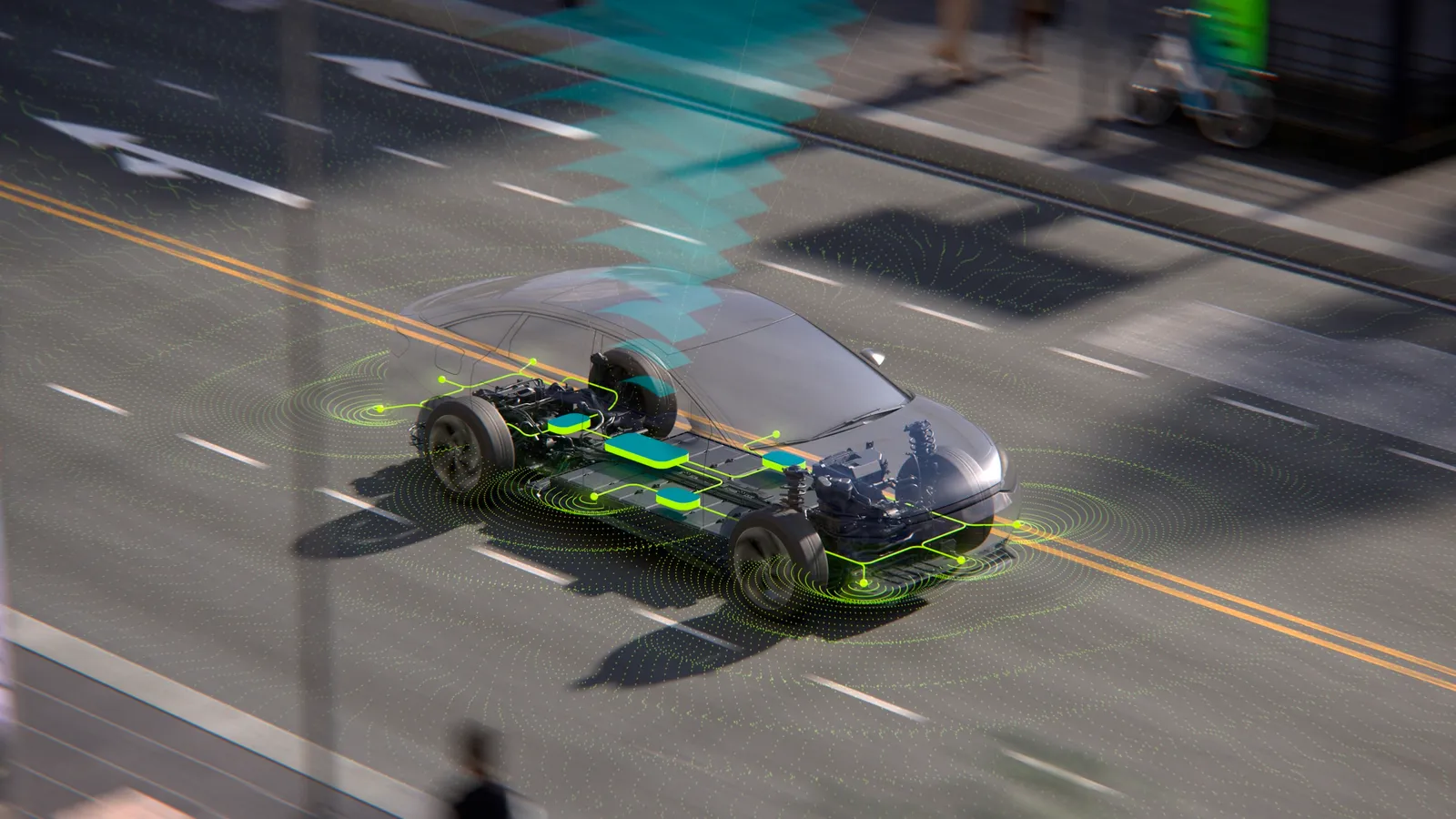
The joint-venture between VW and JAC focuses exclusively on electric-only models and is responsible for the tie-up with Xpeng and the CEA running gear. Launched in February this year, CEA is built around a high-power computing system. Designed for software-defined vehicles (SDVs) only, CEA’s lack of physical components reduces the number of electronic control units by around 30%, and its scalable nature slashes vehicle devlopment time by an additional 30%.
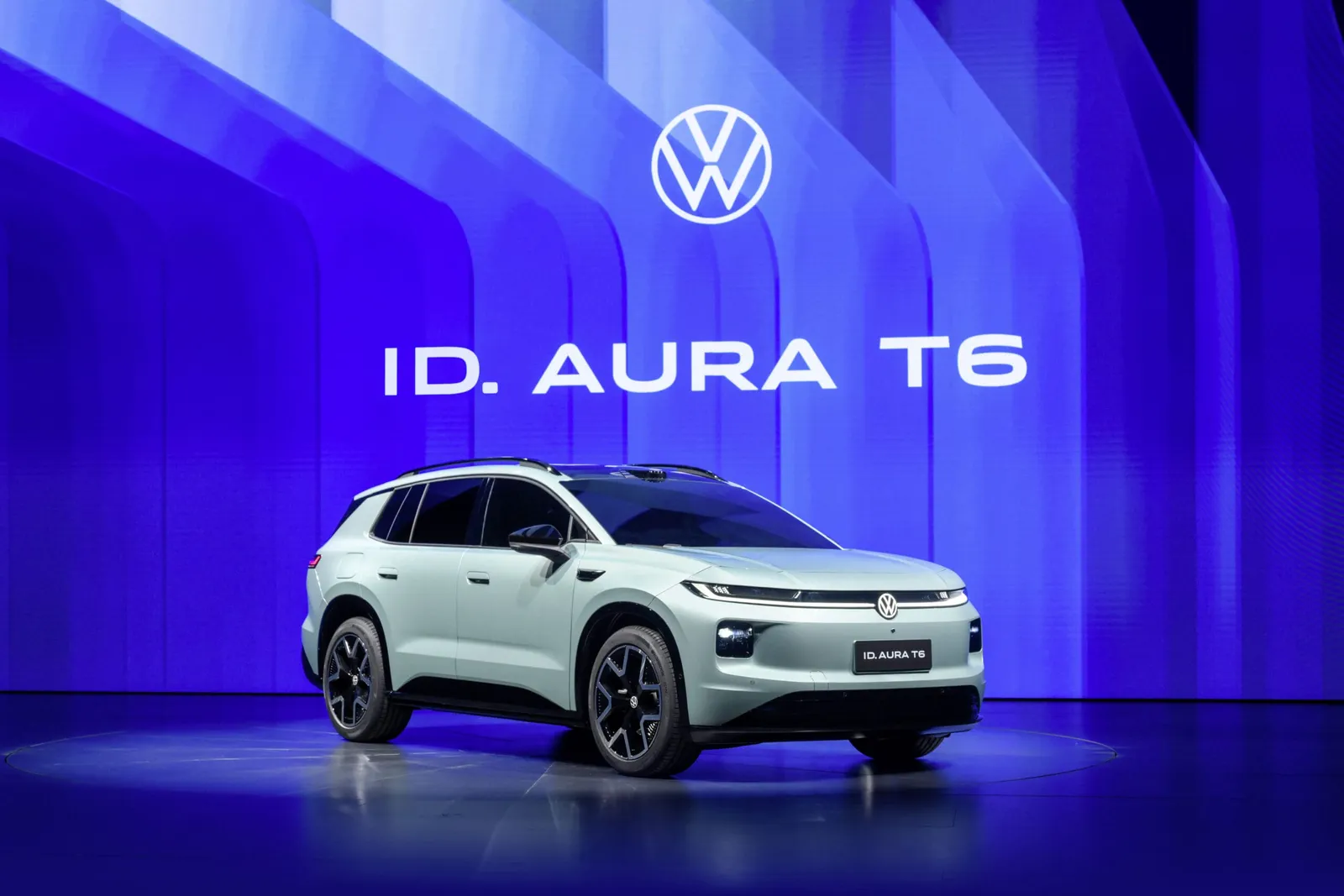
Existing China-only model VWs built on CEA include the ID Unyx 07 and the ID Aura T6. Were VW Group to pivot to using the platform in Europe, potential cars that could adopt it include the recently-delayed ID Golf, the ID Passat, and the second-generation Škoda Enyaq.
The VW Group is reportedly split on which direction to take. It invested up to $5.8 billion (around £4.37 million) in Rivian, but could save from $4bn ($3.01m) to $5bn (£3.76) by adopting the already-existing CEA platform with its tried-and-tested software. Given that VW has already announced a worse-than-expected 1% year-on-year profit margin in 2026 and aims to cut 100,000 jobs across its brand portfolio by 2030, any savings that Wolfsburg can make will be paramount.
Earlier this year, there was talk of Xpeng sharing production capacity with Volkswagen at – or even buying – one of its European factories to manufacture its Euro-spec models built for local markets. This idea was quickly shut down when Elvis Cheng, Xpeng’s manager for northeastern Europe, described some of the sites as “a little bit old“.
Speaking to EV Powered earlier this year, Dr. Andy Palmer, explained that European manufacturers struggling with electrification need to pair up with fast-growing Chinese carmakers to bolster their EV line-ups, and “learn how to make cars”. This is exactly what Volkswagen is doing with Xpeng. Whether it’s allowed to push through with CEA-based vehicles will almost certainly be defined by a power struggle in the corridors of the financially-wounded giant’s Wolfsburg HQ.
EV Powered has approached Volkswagen UK for comment.