
VW: Rising demand for electric vehicles intensifies cost pressures
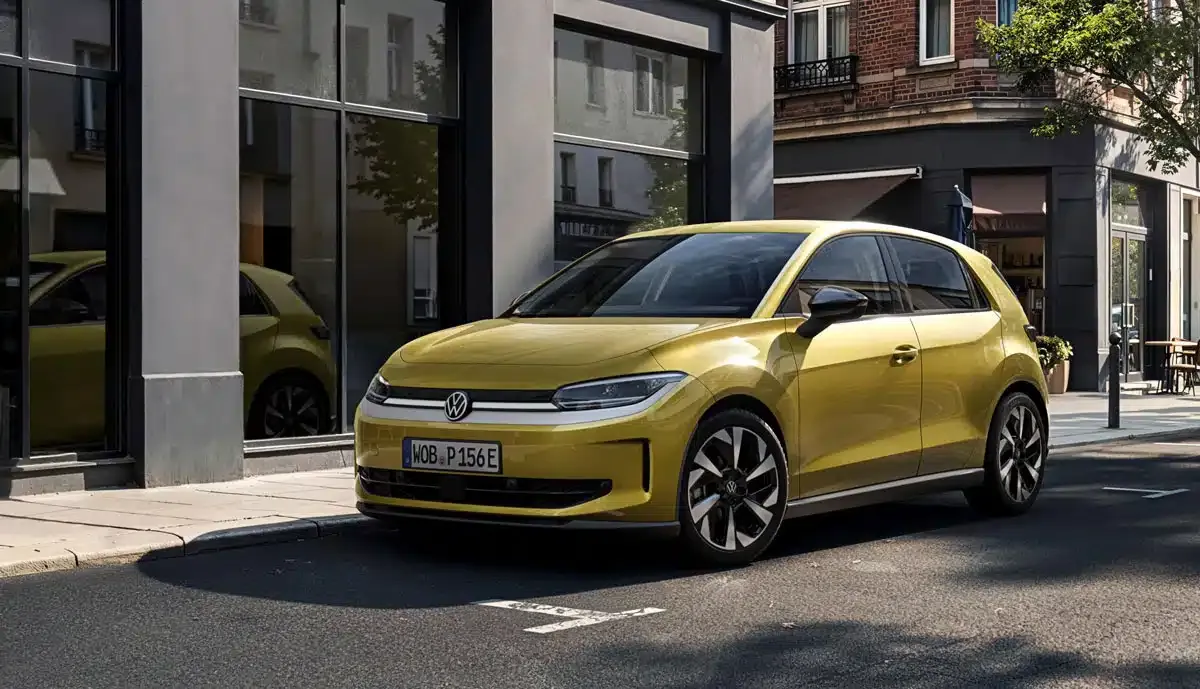
Image: VW
The rising demand for electric vehicles is increasing cost pressures at Volkswagen. In Germany in particular, demand for fully battery-powered vehicles (BEV) has accelerated significantly due to high fuel prices and government incentives. At the same time, the shift toward electrification is reducing sales volumes and, especially, the profit contribution from the more profitable internal combustion engine models.
David Powels, finance chief for Volkswagen and the Core brand group, points to the differing profit margins: “Our electric vehicles are attractive, and demand is rising significantly. At the same time, they yet to achieve the profit margins of our internal combustion engine models — the growing share of BEVs is thus increasing cost pressures even further at present.” Volkswagen is therefore working on reducing product costs, leveraging scale effects, and establishing a competitive cost structure to achieve the necessary profitability even with electric models.
The Core brand group (VW passenger cars, Skoda, Seat/Cupra, VW commercial vehicles) ended the first nine months of 2026 with an operating result of 4.33 billion euros, down from 4.72 billion euros in the same period last year. The operating margin declined from 4.4% to 4.1%, while vehicle sales remained at 3.75 million units and revenue stayed at 106.42 billion euros, largely on par with the previous year. In addition to increasing competitive pressure, higher costs for sales support, and negative mix effects, restructuring costs, the planned sale of Volkswagen Osnabrück GmbH, and the cessation of ID.4 production in Chattanooga particularly weighed on the results.
The VW car brand was particularly affected, with its operating margin dropping to 1.3 percent, which would have been 2.6 percent without the aforementioned one-time effects. Sales fell by 1.7 percent to 2.24 million vehicles in the first nine months, excluding China but including outsourced production, while the operating result declined from 1.476 billion to 813 million euros. In Germany, high demand for electric vehicles met with still limited availability, while at the same time sales of profitable internal combustion engine models dropped.
To improve cost structures, the Core brand group is strengthening cross-brand collaboration and deploying specialized task forces to optimize the mix of internal combustion engine and electric models and reduce product costs. At VW, development efforts for the upcoming electric ID. Golf have also been temporarily paused until the necessary investments can be reliably justified. Meanwhile, the brand group is focusing on electric vehicles such as the new ID. Tiguan and the battery-powered compact cars in the Electric Urban Car Family: According to the manufacturer, 150,000 orders have already been placed for the ID. Polo, ID. Cross, Škoda Epiq, and Cupra Raval shortly after their launch, while the jointly developed models are expected to generate around 600 million euros in synergies throughout their entire production lifecycle.
At Seat & Cupra as well, the profitability of battery-electric vehicles is a top priority. The Spanish company achieved an operating profit of six million euros in the first nine months of 2026, down from 16 million euros the previous year, and sees the need to improve the margins of its electric models amid the increasing electrification of key European markets. In response to these challenges, Seat & Cupra is tightening cost control and intends to carefully reevaluate future planned investments.
For the other brands, the development of electric mobility varied. VW Commercial Vehicles increased deliveries of fully electric models by 23.4 percent in the first nine months and raised its operating margin from 1.8 percent to 3.8 percent. Škoda saw a 41.3 percent increase in deliveries of fully electric vehicles, achieved an operating margin of 8.3 percent, and made the compact SUV Elroq the best-selling electric car in the Volkswagen Group.
Did you spot any errors? Please let us know
by email
about them. Thank you!
Also interesting
About the author
Thomas Langenbucher is an expert in electromobility with professional experience in the automotive industry and finance sector. Since 2011, he has been covering electric vehicles, sustainable technologies, and mobility solutions for ecomento.de. Learn more.
Reader interactions