
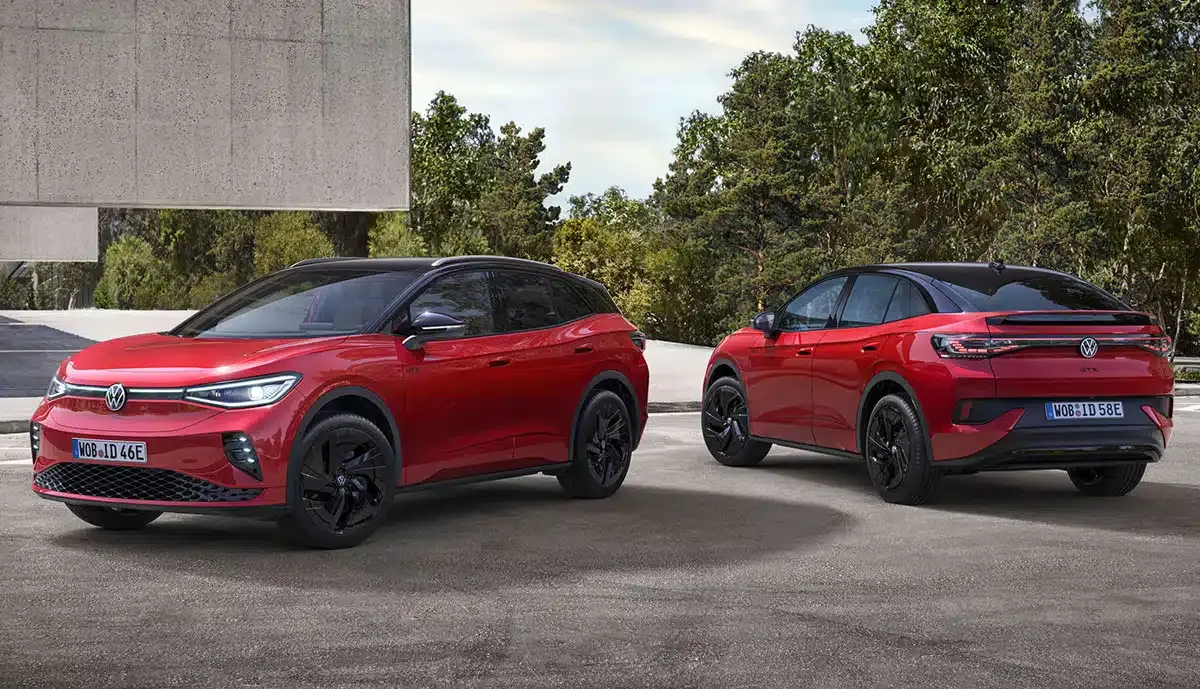
The VW ID. Tiguan will launch in 2027 as the successor to the ID.4 and ID.5 models
Images: VW
VW continues its naming strategy with the new ID. Tiguan, which is set to hit the market in early 2027. Following the ID. Polo and ID. Cross, the brand is applying another established model name to an all-electric vehicle. The world premiere of the ID. Tiguan is scheduled for early October, and until then, the electric car will be on the road with camouflage wrapping.
The new ID. Tiguan, measuring 4618 millimeters in length, takes over from the mid-size SUV ID.4 and its SUV coupe version, the ID.5. It will be offered alongside the Tiguan models with internal combustion and hybrid powertrains. VW describes the ID. Tiguan as a completely redesigned electric SUV designed to look like a vehicle from the next higher class. The established model name is intended to provide customers with clarity and represent a clearly defined vehicle concept.
"Over 8.3 million produced Tiguan units demonstrate the strength and trust associated with this model name," says Thomas Schäfer, CEO of Volkswagen. "The Tiguan represents a versatile and high-quality model, embodying true Volkswagen values. With the ID. Tiguan, we carry this product promise into the electric future. This all-electric model builds on the strengths of its best-selling predecessor, offering a premium design, ample interior space, intuitive operation, and innovative technologies. Together, these two models provide a strong portfolio to meet the diverse driving needs of our customers."
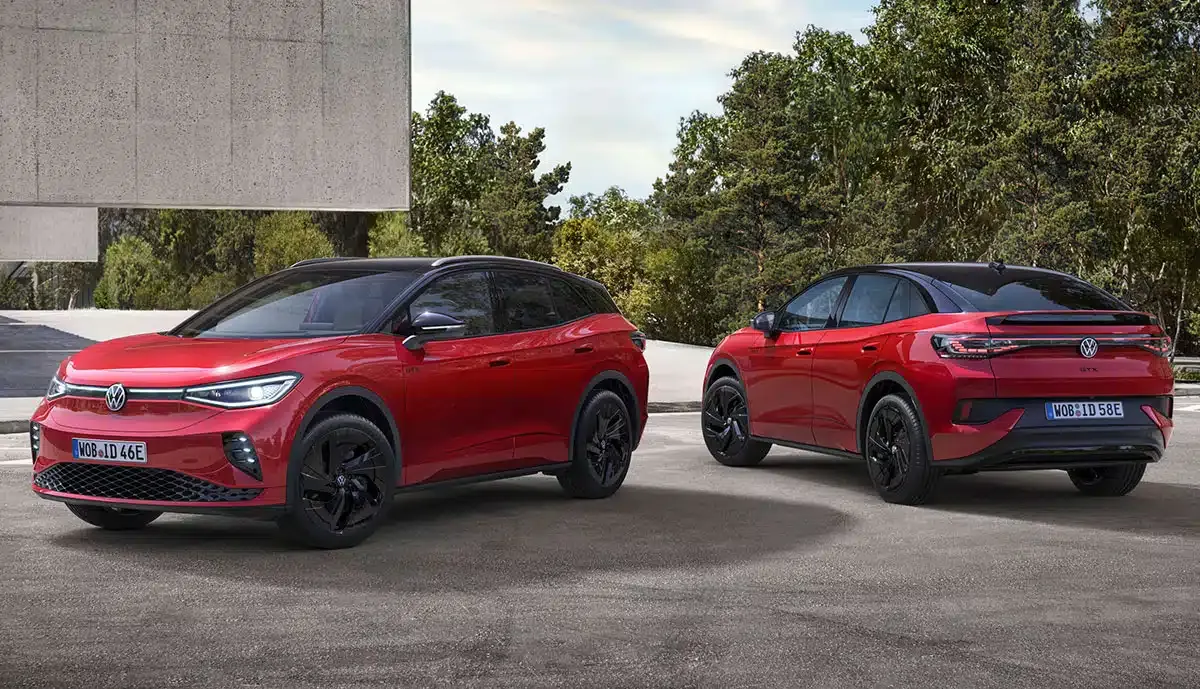
The Tiguan is currently the best-selling model of VW and the entire Volkswagen Group worldwide. Last year, more than one million units of the Tiguan and its sibling model, the Tayron, were delivered. It is available with gasoline, diesel, and plug-in hybrid powertrains. Among the all-electric models, the ID.4 and ID.5 have seen over 950,000 units delivered since 2021, making them among the most successful electric model lines of Volkswagen AG.
The ID. Tiguan is said to use the upgraded MEB+ platform. Upon launch, three performance levels will be available through this electric vehicle platform: The entry model is a rear-wheel-drive version with 140 kW (190 hp) power, paired with a 58 kWh LFP battery pack (lithium-iron-phosphate), capable of accelerating to highway speeds in 8.5 seconds and offering a range of up to 450 kilometers according to WLTP standards.
According to information from the Edison portal, it is followed by the most powerful rear-wheel-drive model with 210 kW (286 HP) and a 77-kWh NMC battery (nickel-manganese-cobalt), which can accelerate from 0 to 100 km/h in 6.6 seconds and is said to have a range of up to 600 kilometers. The top model is expected to be the 4Motion all-wheel-drive version with 220 kW (299 HP), capable of reaching 100 km/h in 6.3 seconds and offering a range of up to 560 kilometers per charge. The top speed for both 77-kWh models is 180 km/h, while the base model has a top speed of 160 km/h.
The maximum DC charging capacity is expected to be 105 kW for the base model and 165 kW with 77-kWh batteries. This should allow the smaller battery pack to reach 80% charge in about 26 minutes and the larger one in 29 minutes. Automatic battery preconditioning is also used for this purpose. Prices remain to be determined; the current ID.4 starts at 46,765 euros in this country.
Also interesting
About the author
Thomas Langenbucher is an expert in electromobility with professional experience in the automotive and financial industries. Since 2011, he has been covering electric vehicles, sustainable technologies, and mobility solutions for ecomento.de. Learn more.
Reader interactions