
VW ID. Polo, impressions after the static presentation. A model perfect electric car. With an imperfect price
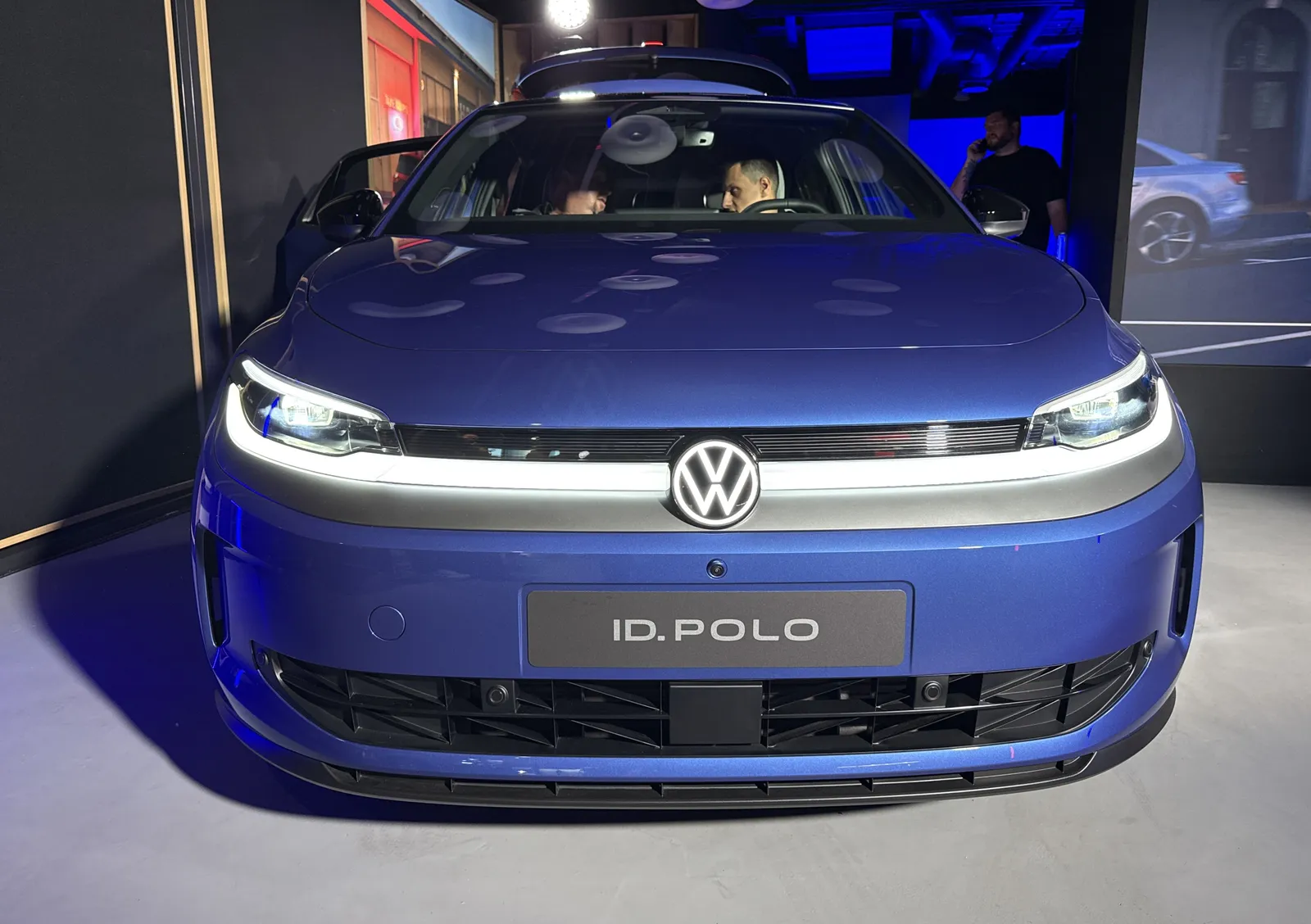
Thanks to the kindness of Volkswagen’s Polish branch, we had the pleasure of taking a close look at the Volkswagen ID. Polo, sitting in it, touching it, and evaluating it. After this static presentation, we concluded that we were looking at an electric car that comes close to perfection. The electric VW Polo is a vehicle that isn’t unusual or trying too hard to show it has a different powertrain; instead, it’s well-built and comes equipped with very solid specifications in this version. The only issue is the price of the VW ID. Polo, which amounts to 170,890 Polish zlotys in this configuration.
The car will be available to the public on Saturday, June 13th, at Volkswagen Home in Warsaw (Google Maps HERE). The red VW ID. Polo GTI is also on display at the same location.
Key specifications and technical details: VW ID. Polo 55 (52) kWh battery, 155 kW/211 HP power, 24 minutes to charge from 10% to 80%, up to 452 WLTP miles of range, 441 liters of trunk space. The cheapest version is the Trend model with an LFP battery of ~40 (37) kWh, starting at 99,900 zł from mid-July.
Volkswagen ID. Polo up close
Table of contents
Volkswagen ID. Polo up close
Advantages of the Volkswagen ID. Polo
Interior
Front seating, rear seating
Conclusion
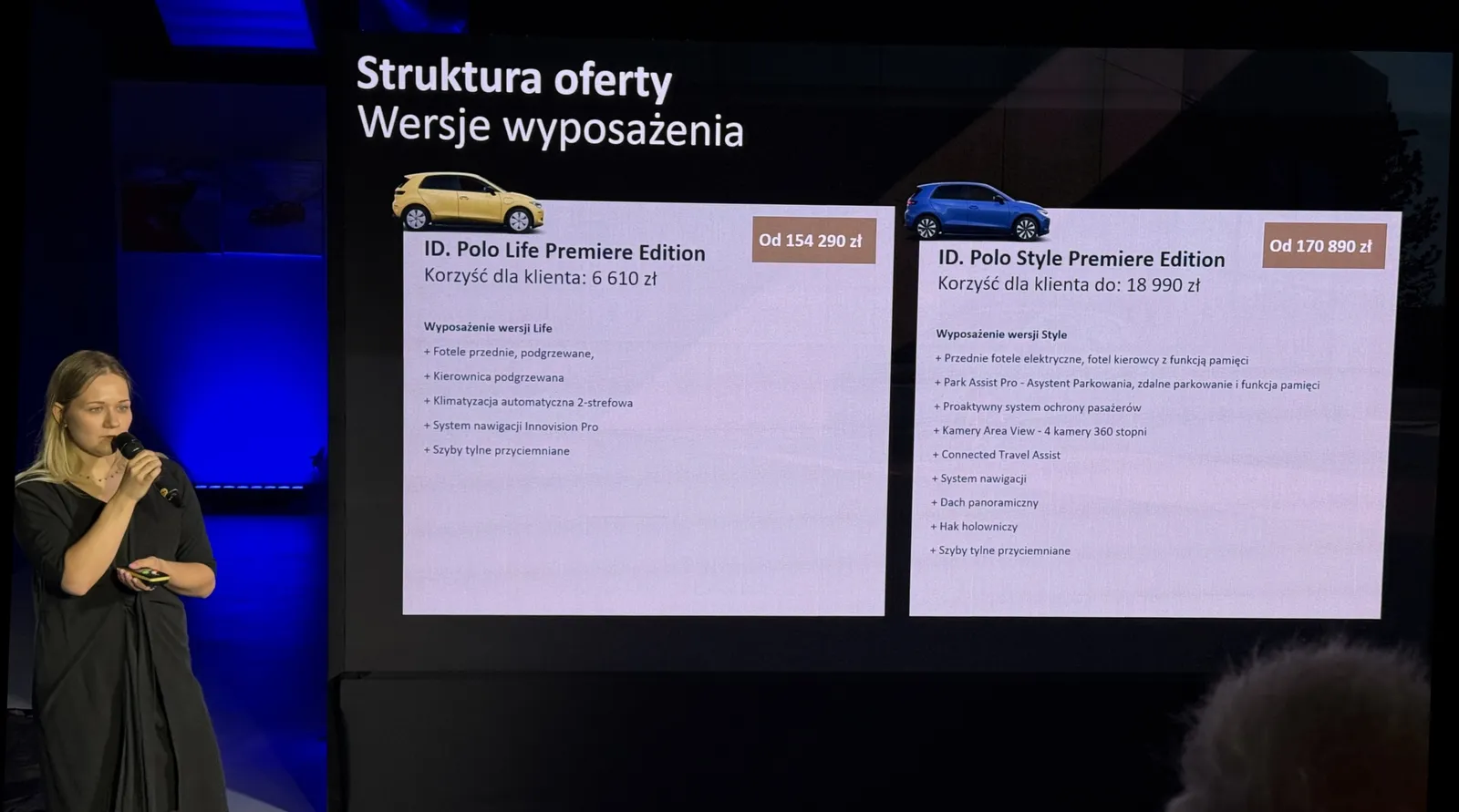
To keep it traditional and in the old Polish style, we’ll start with the main drawbacks before moving on to justify the conclusion. We’ve already mentioned the biggest flaw: the price of the VW ID. Polo Style Premiere Edition, which is 170,890 zlotys, with an additional 18,990 zlotys in “customer benefits.” We could suggest buying the VW ID. Polo Life Premiere Edition for 154,290 zlotys, but… we won’t suggest it. Instead, we recommend waiting, as the German prices for the ID. Polo in its Launch edition versions were so high (read: outrageously expensive) that they disappeared within about a day. “Sold out.” Mhm, really.
Aha, the ID. Polo GTI version was priced in Germany at around 171,200 zlotys. Compare that amount to the price we’ll pay in Poland for the non-GTI version.
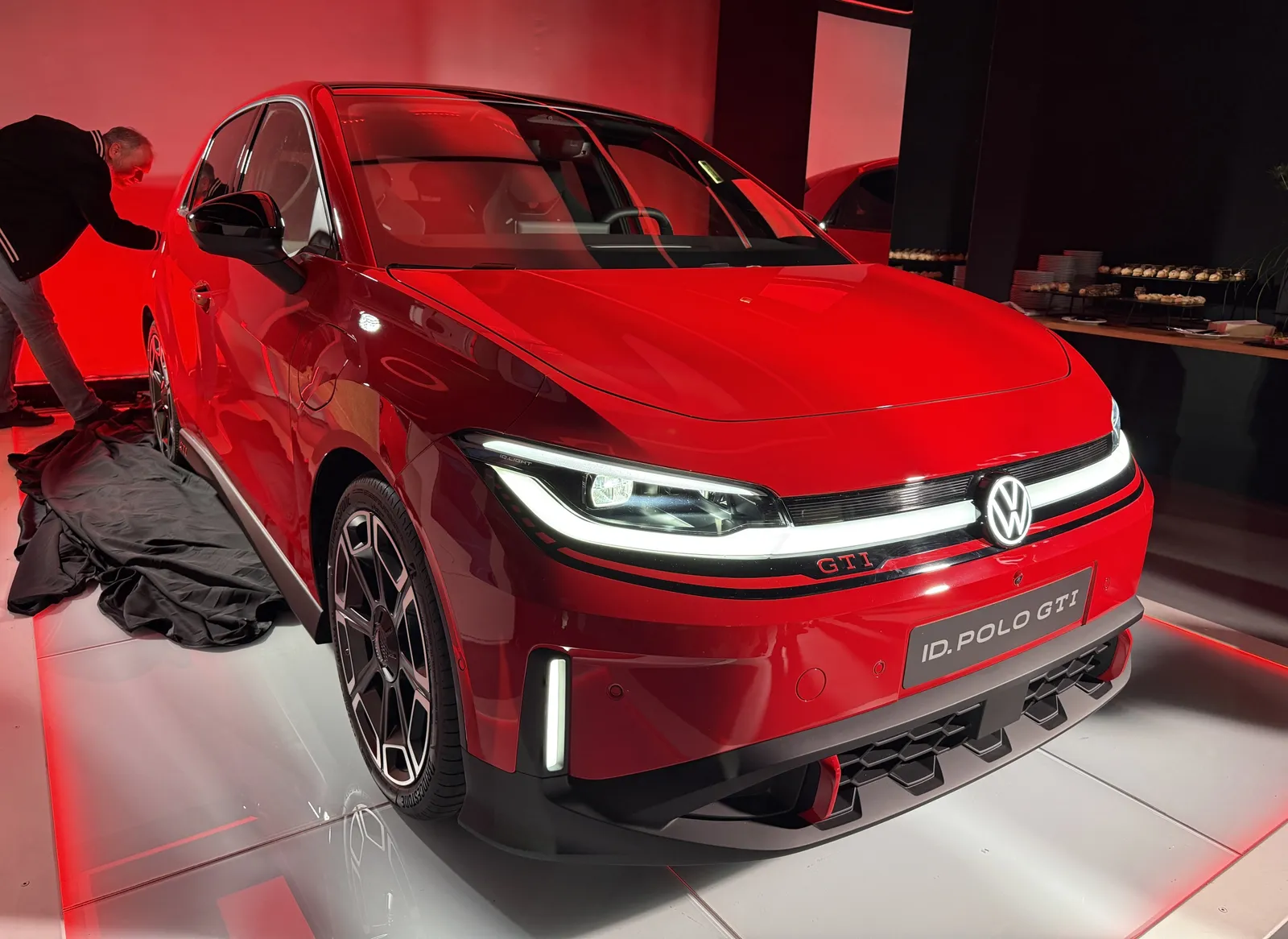
Volkswagen ID. Polo GTI. It costs as much in Germany as the most fully equipped non-GTI version does in Poland
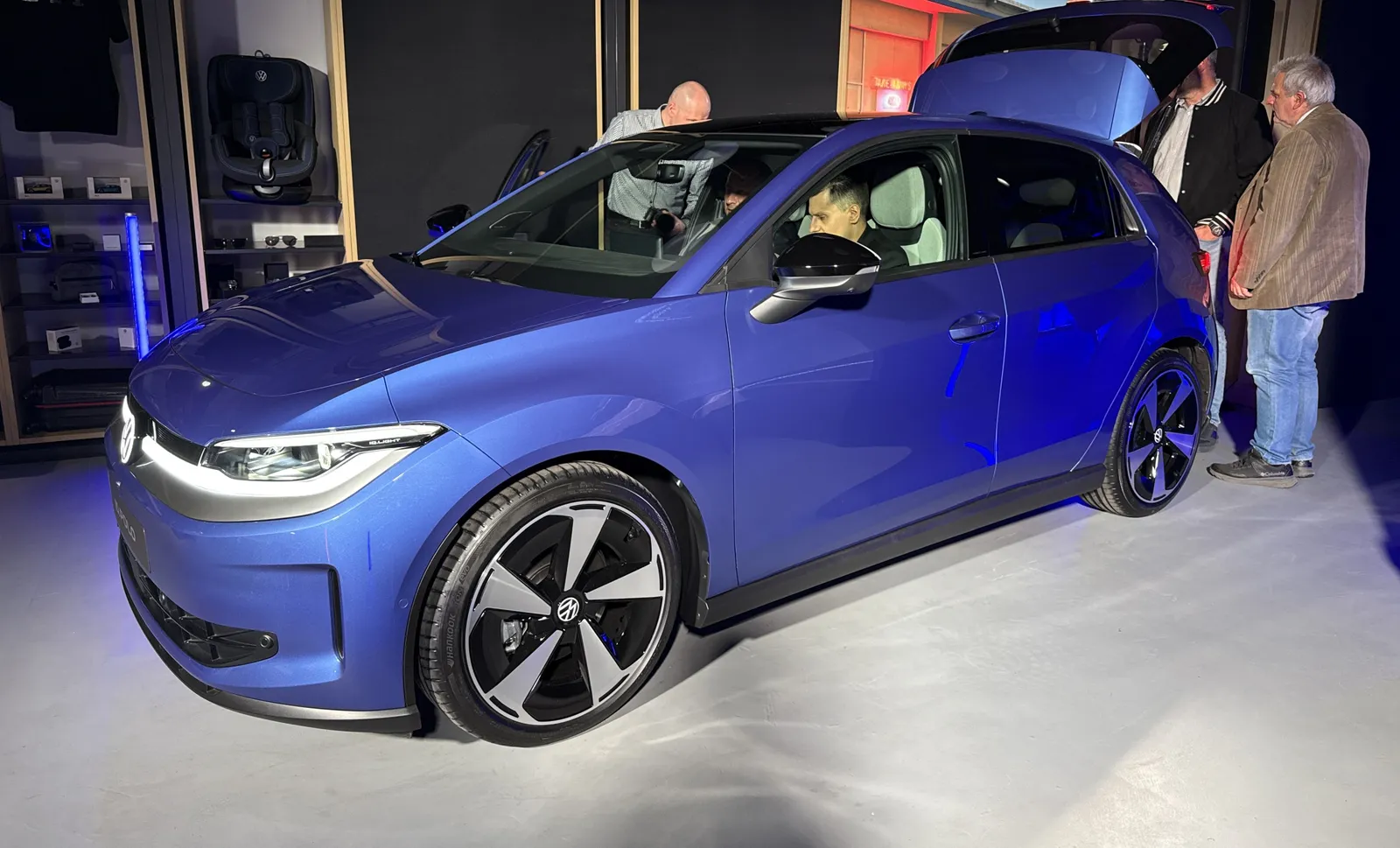
VW ID. Polo Style Premiere Edition
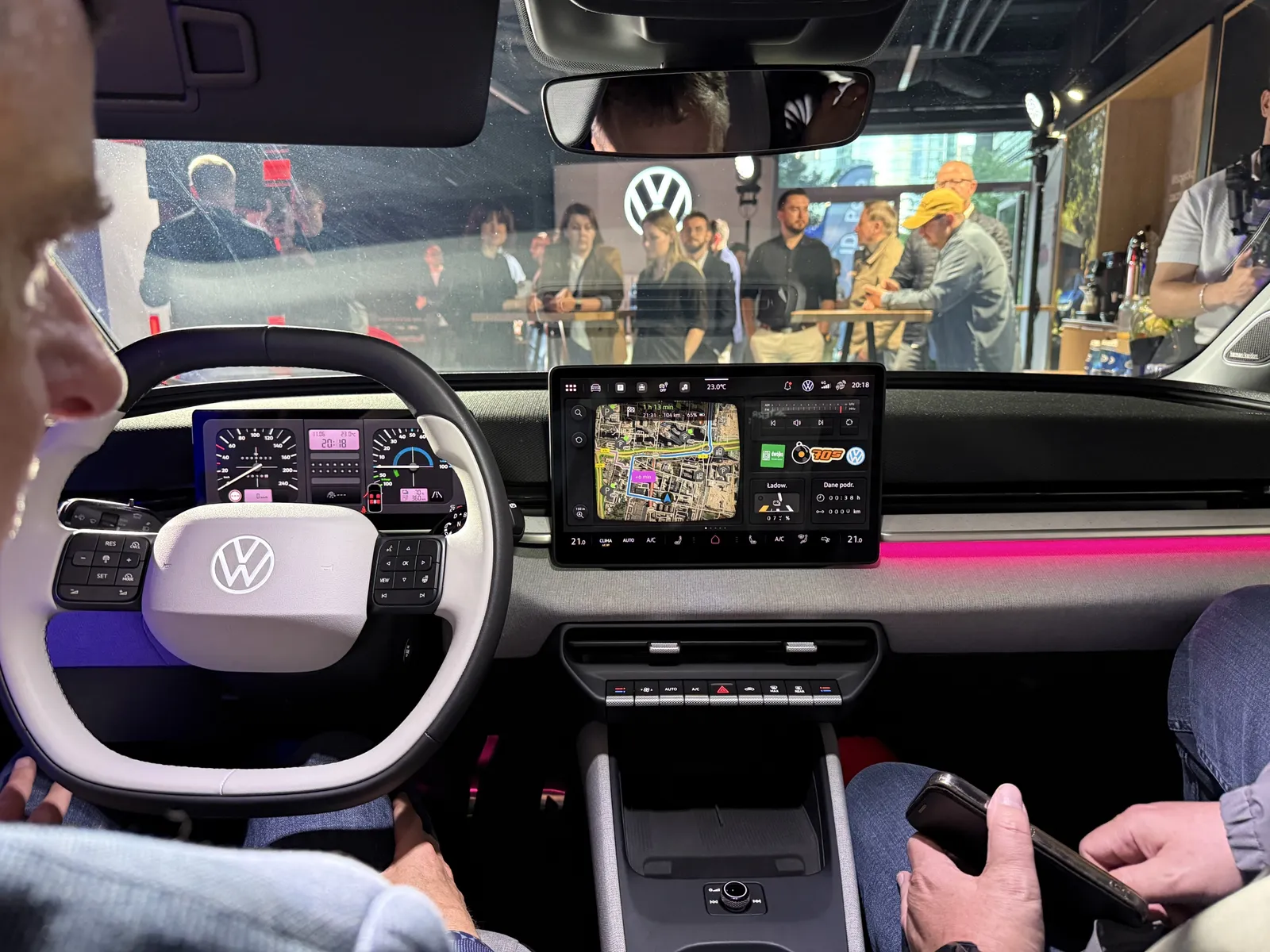
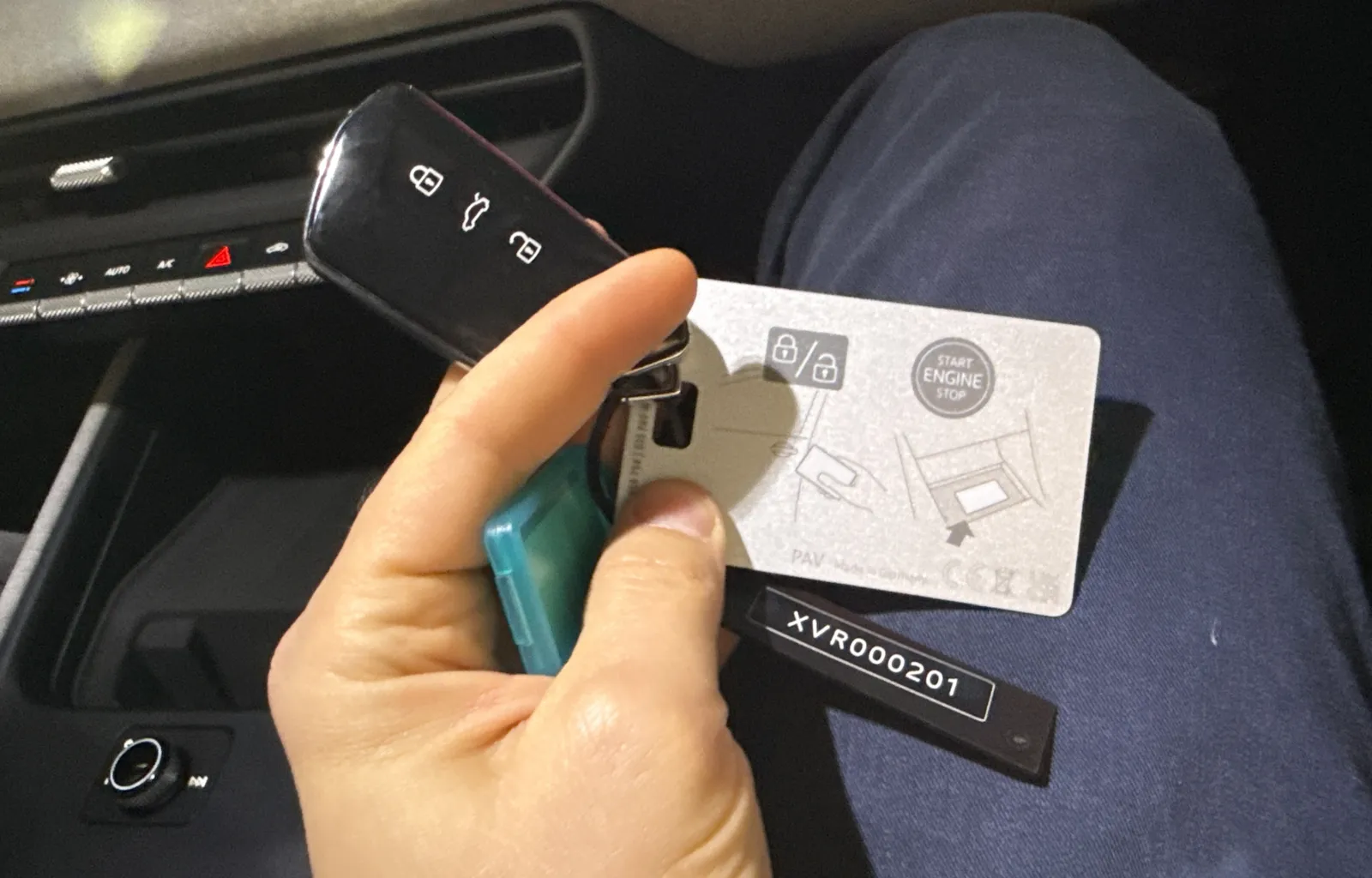
RFID car key. A knob for controlling multimedia is visible on the center console
Other drawbacks? Digital services that will cost money (more expenses), and an internal fear regarding software quality (why does the airbag indicator keep flashing for so long after startup? Why doesn’t the navigation with charging stops work?). And that’s about it. We wouldn’t mention the latter issue; we’d believe the promise that everything will be great this time, since it’s a completely new ID. Software version 6.x, but we saw exactly the same flashing indicator in the first VW ID.3. It could turn on or flash erratically even while driving—and you never knew if a soft panel might hit you in the face next.
We complained enough. Let’s move on to what we liked, as that was basically everything else:
Volkswagen ID. Polo, advantages
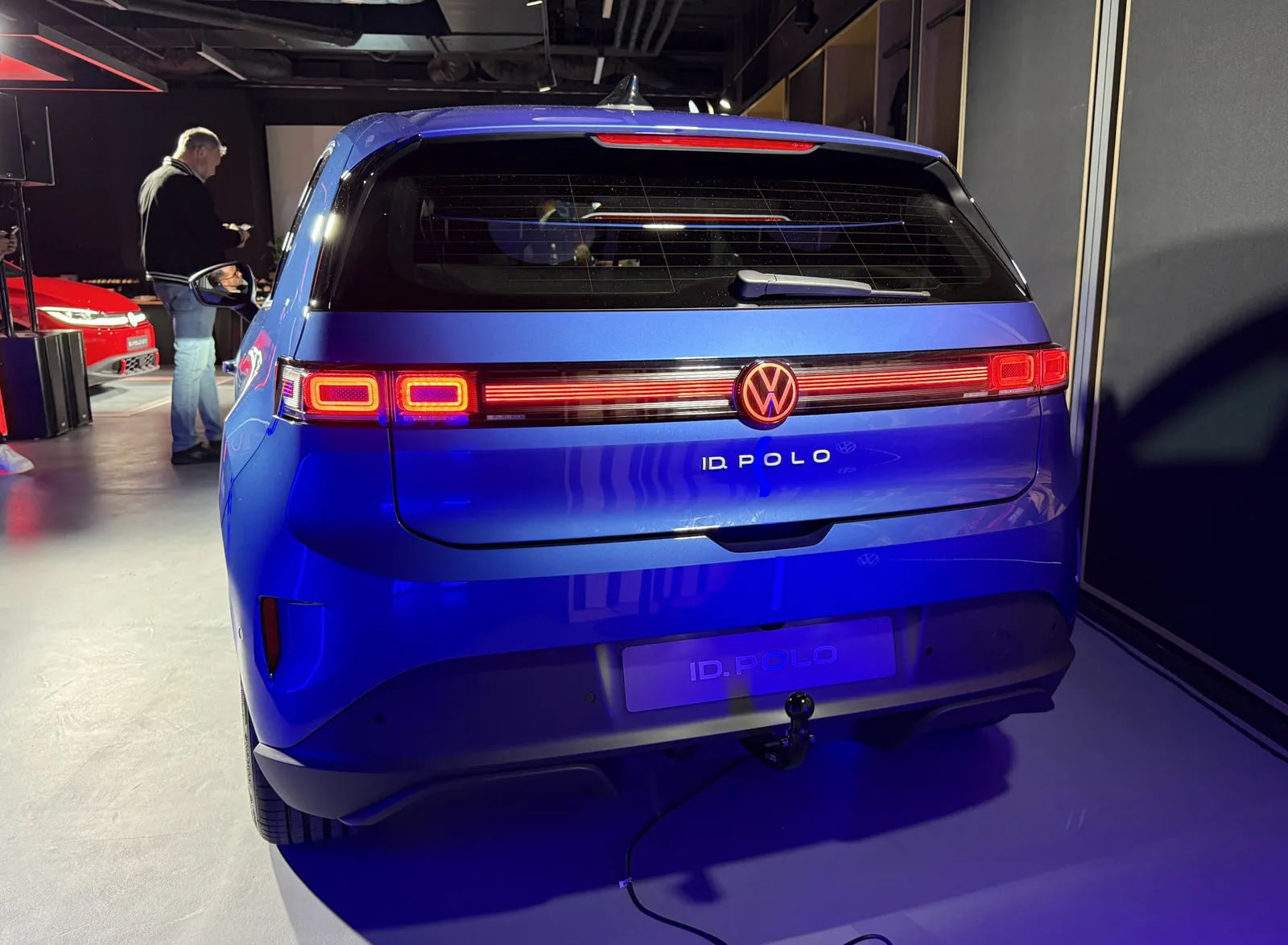
We like the shape of this car, we like its equipment, and we like its finish (more on that in a moment). The shape is reminiscent of the traditional Golf; it doesn’t try to impress with its powertrain type, it’s not unusual, but rather classic and normal. Everything balances well, even the battery in the chassis hasn’t made the car look taller. We can live with the light strips and illuminated logos on the front and back, though it’s not our preferred aesthetic. The rear lights are said to resemble whiskey glasses, although in our opinion they simply mimic those of the Ioniq 5, an unsurpassed visual interpretation of the old Golf.
Interior
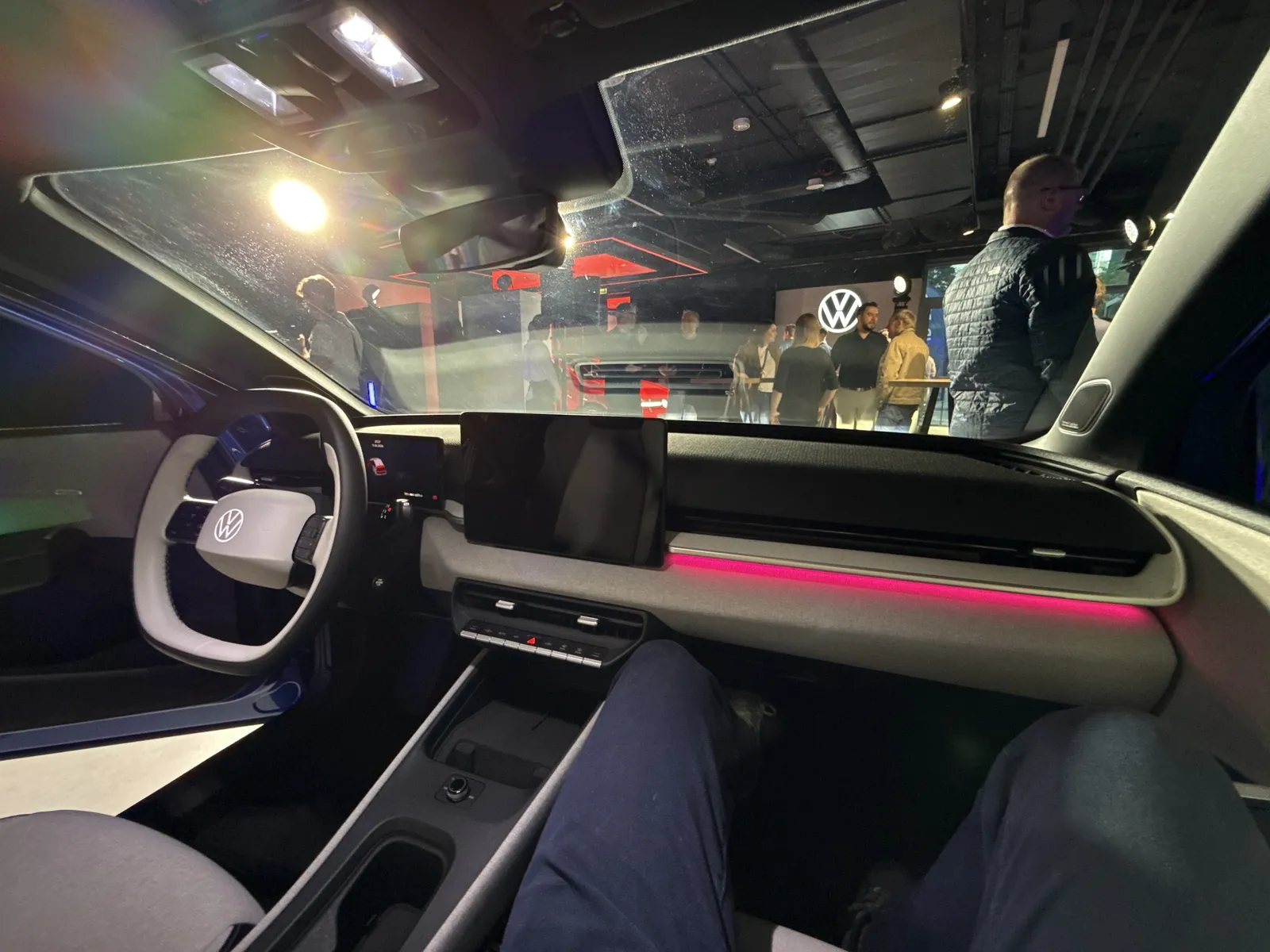
The car is pleasant inside, and its finish, according to colleagues from other editorial teams, might make buyers of the Audi Q3 (starting at 188,900 zł) feel unfairly treated. And indeed: it’s comfortable at the steering wheel, soft under the elbows, and plush in the cockpit. There are just enough buttons beneath the vents—enough not to be excessive, yet sufficient to control all essential functions. Only the steering wheel overwhelms with its number of buttons, as if to declare, “Look, Volkswagen is returning to buttons!” It’s a real challenge for those who need to quickly find the button to turn off the retro style (hint: VIEW).
The VW ID. Polo cockpit. The Volkswagen logo on the steering wheel glows, raising concerns that it might be distracting at night.
https://elektrowoz.pl/wp-content/uploads/2026/06/VW-ID.-Polo-style-licznika.mp4
The retro style on the dash and central screen is some kind of joke by Volkswagen’s older executives. What excited us more was the ability to use regular dials similar to those found in any conventional Volkswagen vehicle (illustration below). The familiar interface makes it easy to navigate. Additionally, Google Maps with navigation cues from Android Auto/Apple CarPlay can be displayed on the dash, which is a truly nice addition. As for the cathode ray tube and cassette player, well… when I recently showed my kids a tape recorder because I found one buried in a parking lot, they listened with polite interest but forgot about it within seconds of the story ending.
Volkswagen ID. Polo with standard odometers from a regular Volkswagen. We’ll be back on range soon.
Cathode-ray display and cassette in the multimedia system screen. 4G leaves room for another technological upgrade
The multimedia system itself, importantly, worked smoothly, but the car showed a strange range of 657 kilometers with 70 percent battery remaining. With a capacity of 55 (52) kWh, that’s quite a lot. And most importantly: the navigation on our test route (Warsaw -> Chojnów, Grunwaldzka) didn’t work. That is, it did work and indicated the correct route, but it claimed the trip would take 4:06 hours with the battery reaching 54 percent charge. So there were at least two stops for charging somewhere along the way. The map just didn’t show them, as if the navigation service with stop suggestions hadn’t been purchased and activated:
Front seat, back seat
Behind me was a driver who was 1.9 meters tall, and the amount of space in the back was acceptable. The rear seat, to be honest, can comfortably accommodate two people, though the belt clip pressed into my buttocks. I’m not particularly wide in the hips either. My wife sitting in front of me would fit just fine. There are air vent ends under the seat, which prevent the feet from being tucked too deeply. However, Volkswagen made an effort to create as much space in the cabin as possible in a vehicle that’s 4.05 meters long (!) with a wheelbase of 2.59 meters — this is the amount of space available for feet behind the driver of average height (I couldn’t fit there, so I cursed when getting in…).
I was surprised to find a slight bump still in the middle of the floor, but I assume no normal person would sit there. The distance between the belt anchors is only 23 centimeters. Importantly, thanks to the front-wheel drive layout, the rear trunk (441 liters) gives the impression of almost touching the ground. Part of it is occupied by a subwoofer and a cable bag, but these can be hidden under the floor (folded as shown in the photo). There’s nothing in front of the trunk, and the space is so limited that it’s hard to say whether a 1-liter internal combustion engine could fit there.
Under the hood of the VW ID. Polo. I opened it and everyone immediately came to take pictures
The front turn signals are sequential, while the rear ones are not. Interestingly, a smooth pulsation can also be seen inside thanks to the ambient lighting. Until now, moving external functions inside has been a very premium feature; I’ve seen it in the Audi Q8 e-tron from the Volkswagen group.
https://elektrowoz.pl/wp-content/uploads/2026/06/VW-ID.-Polo-kierunkowskazy-film.mp4
Summary
The first Volkswagen ID.3 seemed like an experiment to us: a different powertrain paired with a distinct appearance, as well as a hard interior finish and underdeveloped software. With the Volkswagen ID. Polo, the situation is completely different, as if someone firmly decided, “We can’t ruin a reputable brand with decades of history.” It’s a well-thought-out vehicle with meticulous styling, featuring extras that are unusual for its class such as matrix adaptive headlights (available on the Opel Corsa Electric and truly worth choosing) or a glass roof with sunroof.
To avoid any points of criticism, disc brakes have been returned to the rear; it features one-pedal driving, along with four switches for controlling the windows and electrically adjustable seats in the front. Passengers in the rear seat even have reading lights, which is rarely standard in the B-segment. It’s worth taking a look, testing it out, and considering it. Deliveries are expected to begin in the third quarter of 2026.
Article Rating
Readers’ Ratings
[Total: 5 votes Average: 5]
Don’t miss new content—CLICK and FOLLOW Elektrowoz.pl on Google News. You might also be interested in the following ads: