
VW’s finance division under pressure: residual value risks, especially for electric vehicles, are rising
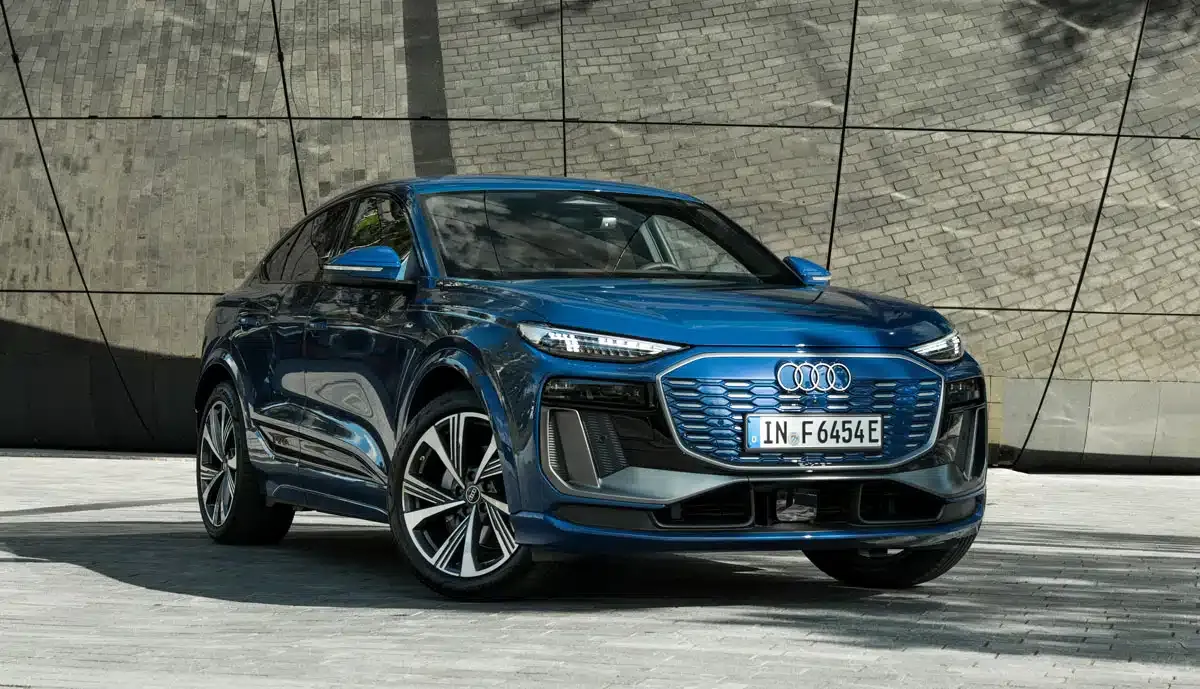
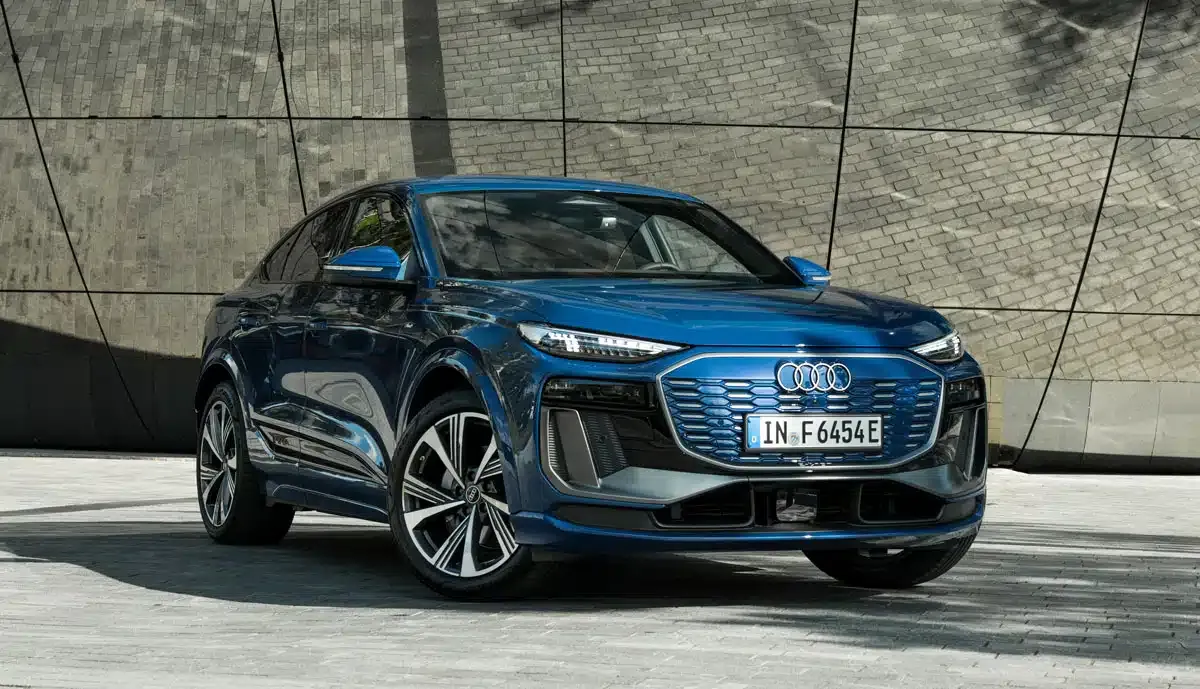
Image: Audi (illustrative)
Volkswagen Financial Services AG (VWFS) reported an operating profit of just under 1.7 billion euros in the first half of 2026. This made its financial services division more profitable than all of the group’s car brands combined. Despite this result, the operating profit still declined by 7.6% due to rising costs associated with residual value risks. This is particularly attributed to electric vehicles, according to Manager Magazin.
The CEO in office since the beginning of the year, Anthony Bandmann, is pursuing a comprehensive transformation. The goal is to boost profitability while keeping costs as low as possible. To this end, the report states that corporate consultants were hired with a detailed scope of work to develop a new business model and a transformation roadmap.
A key factor affecting the financial situation are rising residual value risks, according to the report. As vehicles are increasingly leased rather than purchased, the volume of cars recorded in the finance division increased by almost one billion euros from 2024 to 2025, reaching nearly 5.9 billion euros. These risks have risen again since the start of the second quarter of 2026.
Risk of Electric Vehicles
Electric vehicles pose a particular challenge, as over 80 percent of VW’s electric cars in Germany are financed through the finance division. While high leasing ratios can be profitable, industry analysts say the residual values of electric cars are relatively low at an average of 50.9 percent of the original price after three years. Internal combustion engines are also under pressure, as the average residual values for gasoline cars (59.6) and diesel cars (58.8) were at their lowest levels since 2021 in June.
According to VWFS CEO Bandmann, the transformation project is intended to achieve a “clear economic impact” and include a “significant” reduction in overhead costs, reports Manager Magazin. The results of the project work are set to be presented to the supervisory board at the end of November. A final proposal from the consultants hired for the project is expected by the end of August.
While Volkswagen Group aims to reduce overhead costs by about 20 percent and adjust its workforce size, its finance arm, which employs 10,400 people, is distancing itself from similar plans. According to the report, Bandmann stated that there are no plans for job cuts or the sale of company assets.
VWFS’s balance sheet totals nearly 290 billion euros, requiring annual refinancing of around 115 billion euros. Investors are closely monitoring the situation due to rising risks, according to Manager Magazin, but they consider market confidence in the finance arm to be stable for now.
Also interesting
About the author
Thomas Langenbucher is an expert in electromobility with professional experience in the automotive industry and finance sector. Since 2011, he has been covering electric vehicles, sustainable technologies, and mobility solutions for ecomento.de. Learn more.
Reader interactions