
VW receives Level-3 testing approval in China, Xpeng launches Level-4 demos
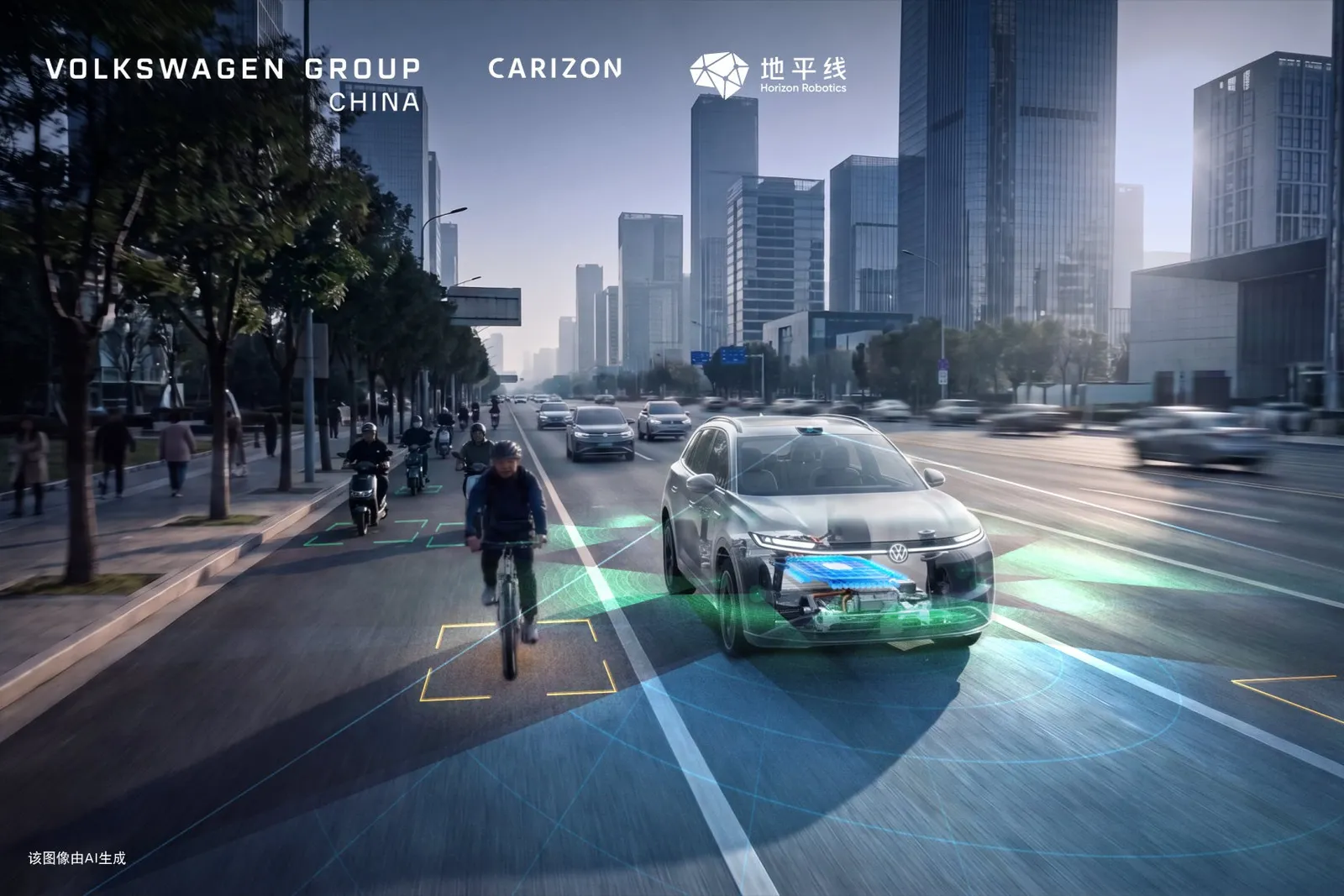
Volkswagen Group China is allowed to test highly automated driving at Level 3 on public roads in Hefei. Through these tests, VW aims to advance development toward the desired technical maturity by 2027. Meanwhile, Xpeng has received approval in Guangzhou for demonstration drives with Level 4 robotaxis.
Image: Volkswagen
VW claims to have received approval in China to test a highly automated driving assistant at SAE Level 3. This permits the company to test the technology in real road conditions in the city of Hefei while collecting extensive data. The testing has already begun. This approval represents another step toward Volkswagen’s goal of bringing the Level-3 technology, developed jointly with local partner Horizon Robotics through the joint venture Carizon, to series production by 2027 as planned.
At Level 3, the vehicle can take over driving tasks under defined conditions. The driver may then remove their hands from the steering wheel and look away from the road. However, they must be ready to take control again at the command of the onboard computer—usually within ten seconds.
To achieve this, the company is expanding its capabilities in autonomous driving in China. Local development will benefit from a proprietary AI world model named GAIA 2.0, which Volkswagen claims can conduct simulations daily over approximately five million kilometers of virtual roadways. Data from 30 million real-world traffic scenarios also serves as a foundation. In the long term, this technology is intended to pave the way for higher levels of automation.
Xpeng Approved to Demonstrate Robotaxis in Guangzhou
Xpeng has taken another step forward with its robotaxi project. The Chinese electric vehicle manufacturer has received approval to conduct Level 4 robotaxi demonstration rides in Guangzhou, allowing it to test such services throughout the city. According to the company, this goes beyond merely validating autonomous driving technology; it also focuses on the operational aspects of a mobility service — from order acceptance and vehicle deployment to passenger transport and handling of emergency situations.
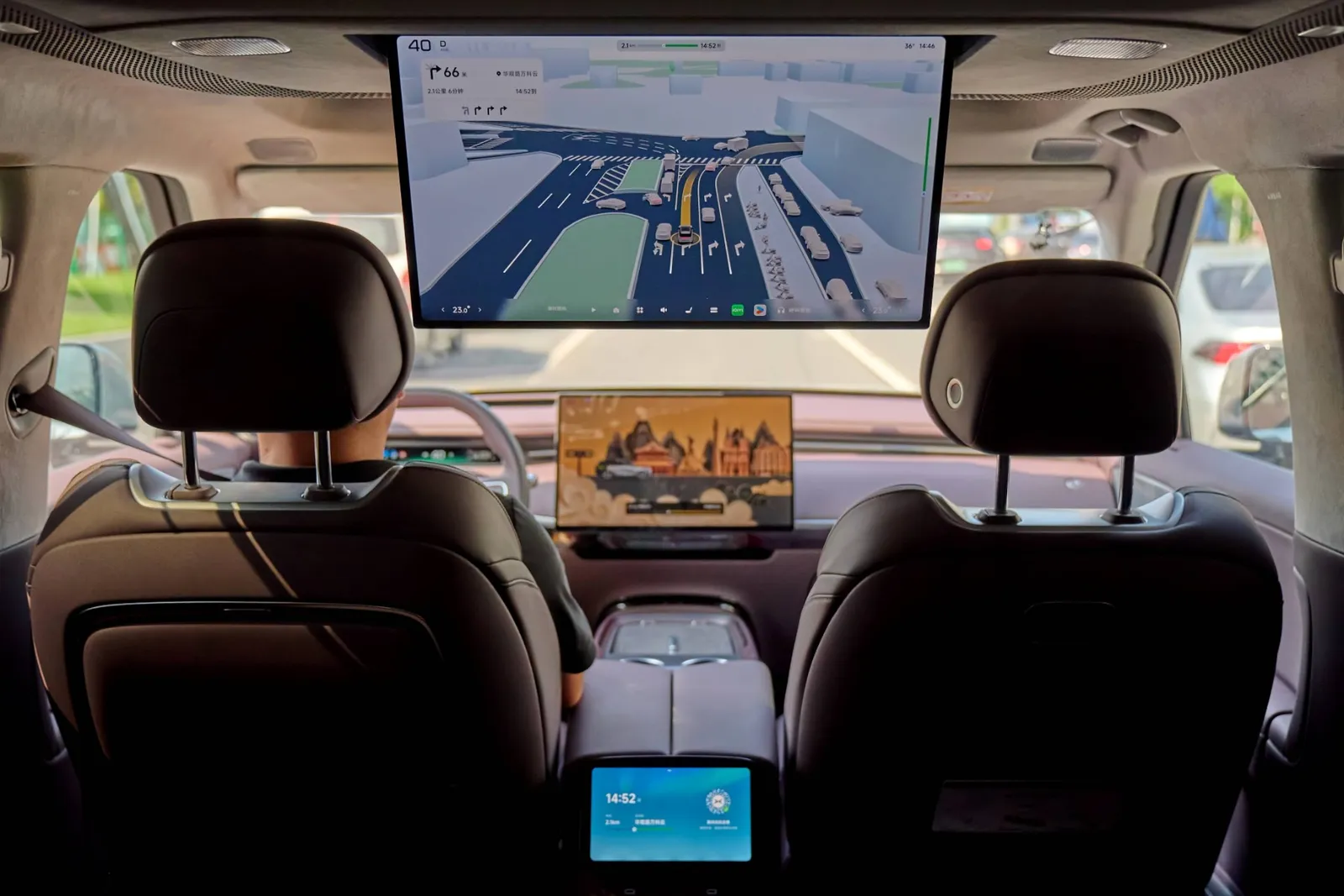
Access to the service will initially be available on a step-by-step basis through invitation codes. Xpeng aims to leverage its operational experience to further develop the processes and fleet management systems. However, the company does not plan to operate large fleets of robotaxis itself. Instead, it intends to provide vehicles, software, and AI technology while collaborating with partners. Xpeng cites hardware sales, technology services, and commission earnings as potential revenue sources.
In the first half of October, Xpeng introduced its robotaxi brand Yoyo and opened registration for the first external users in China. The approval granted now represents another step toward commercial deployment. The company states that it is already in talks with European mobility platforms for international expansion.