
Volvo is slowing down, but electric vehicles are accelerating. The manufacturer is counting on the success of the EX60.
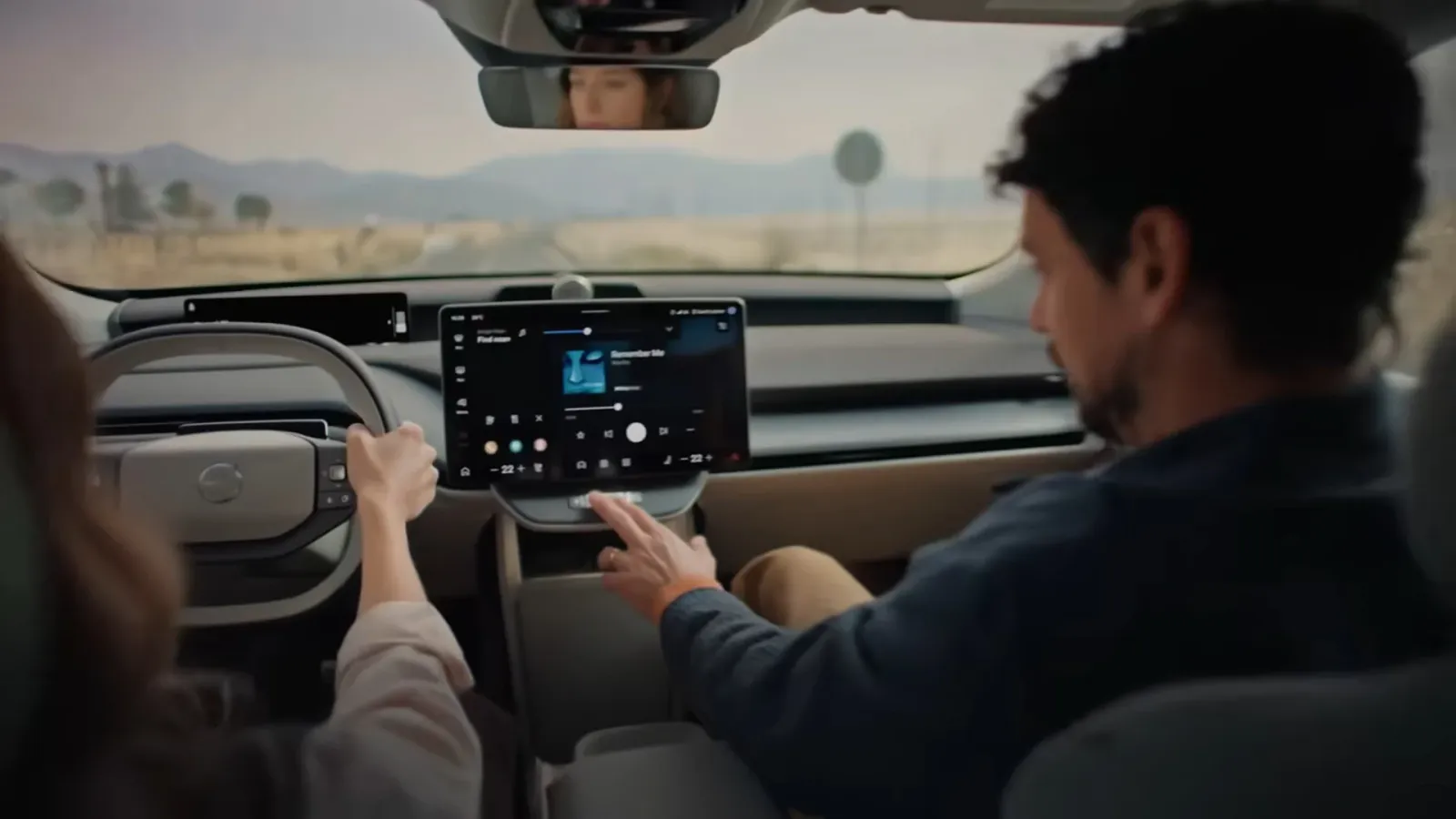
In the article:
- Volvo’s sales are declining despite rising popularity of EVs.
- Which Volvo electric models are available in Poland?
- What role will the new EX60 play in the brand’s future?
Volvo slows down while “electric cars” accelerate
A decade ago, Volvo was regarded as one of the most consistent manufacturers in the process of electrification. Currently, the brand is going through a tougher period. According to Reuters, from August to October 2026, the company sold 141,656 cars, 16 percent less than the previous year. Meanwhile, electric models are playing an increasingly important role, becoming the foundation of the Swedish manufacturer’s development strategy.
Interestingly, the overall decline in sales does not mean a weakening interest in electric mobility. On the contrary. Volvo reported that sales of fully electric vehicles increased by 27 percent, accounting for 34 percent of total sales volume. In comparison, sales of plug-in hybrids dropped by 30 percent, representing 20 percent of all deliveries.
China slows down, Europe orders
The situation of this Swedish-Chinese brand illustrates how rapidly the global automotive market is changing. The company admits that it is currently focusing on stabilizing its operations in China rather than striving for higher sales volumes. An official statement emphasized: “In China, we are adapting to lower demand and focusing on business stability instead of chasing further sales records.”
A much better atmosphere prevails in Europe. The manufacturer (Geely Group – note by editor) stated that demand for electric vehicles remains high, especially for the new EX60 model. According to the company, orders have already exceeded 50,000 units. However, Volvo notes that deliveries are currently limited by ongoing efforts to expand production capacity. “We are steadily increasing production volume,” writes the Global Banking & Finance Review, citing the manufacturer.
The EX60 is set to become the brand’s new pillar
It is no coincidence that the EX60 has drawn the most attention. It is the electric counterpart to the best-selling XC60 and also one of the most important models in modern Volvo’s history. The car utilizes an 800 V architecture, offers very fast charging, and is designed to fill the gap between the compact EX40 and the flagship EX90.
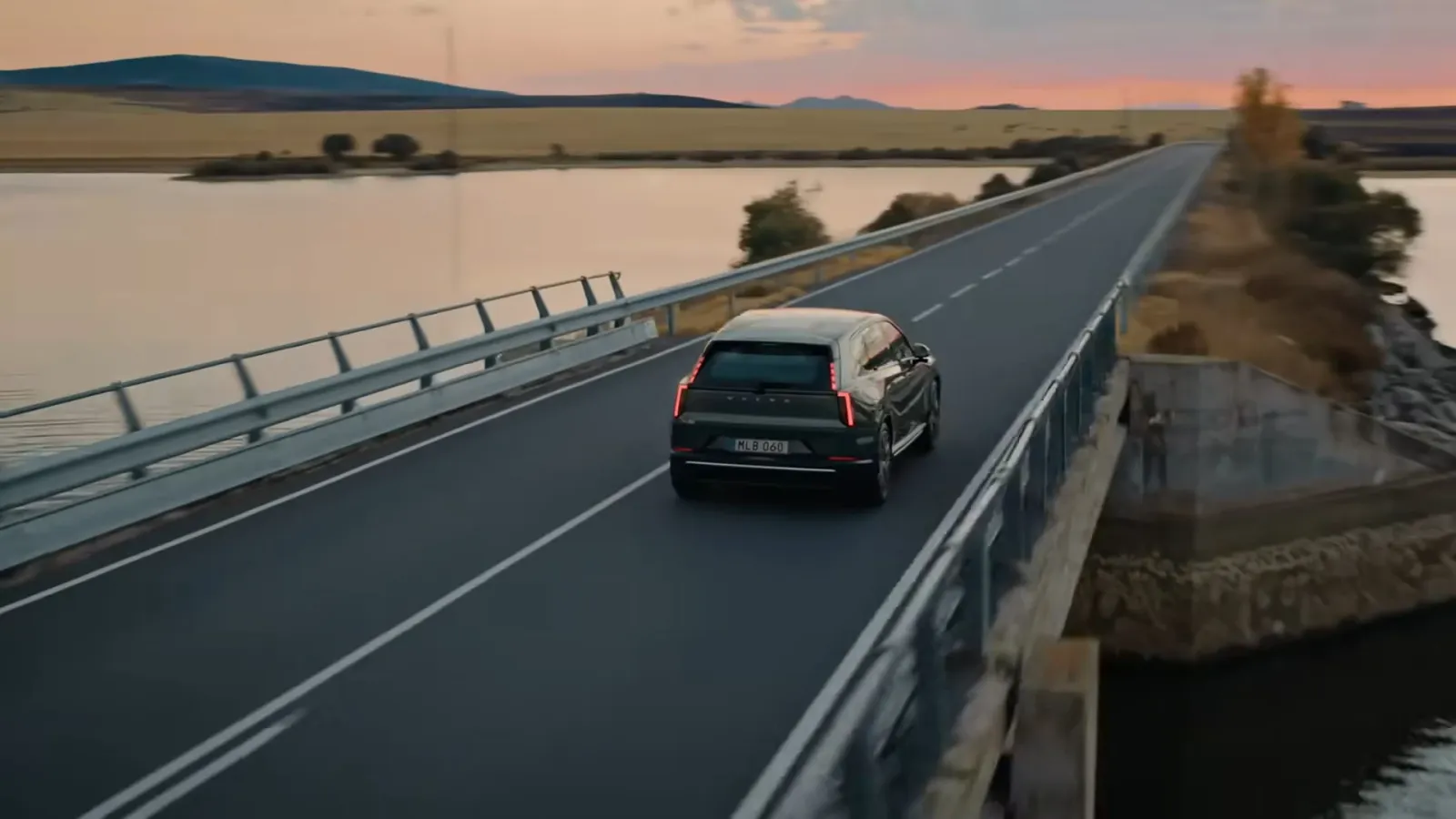
In spring 2026, the first production units of this model rolled off the assembly line in Gothenburg. Analysts believe it is the EX60 that could determine the success of the brand’s electric transformation in Europe’s largest markets.
Here is Volvo’s electric lineup in Poland
Polish customers can now choose from one of the widest ranges of electric vehicles in the premium segment. The range begins with the compact EX30, which has become the cheapest electric Volvo and is aimed primarily at urban users.
Higher up in the range are the EX40 and EC40, two models based on the brand’s proven compact SUV platform. The first retains a classic SUV silhouette, while the second offers a more dynamic crossover coupe design.
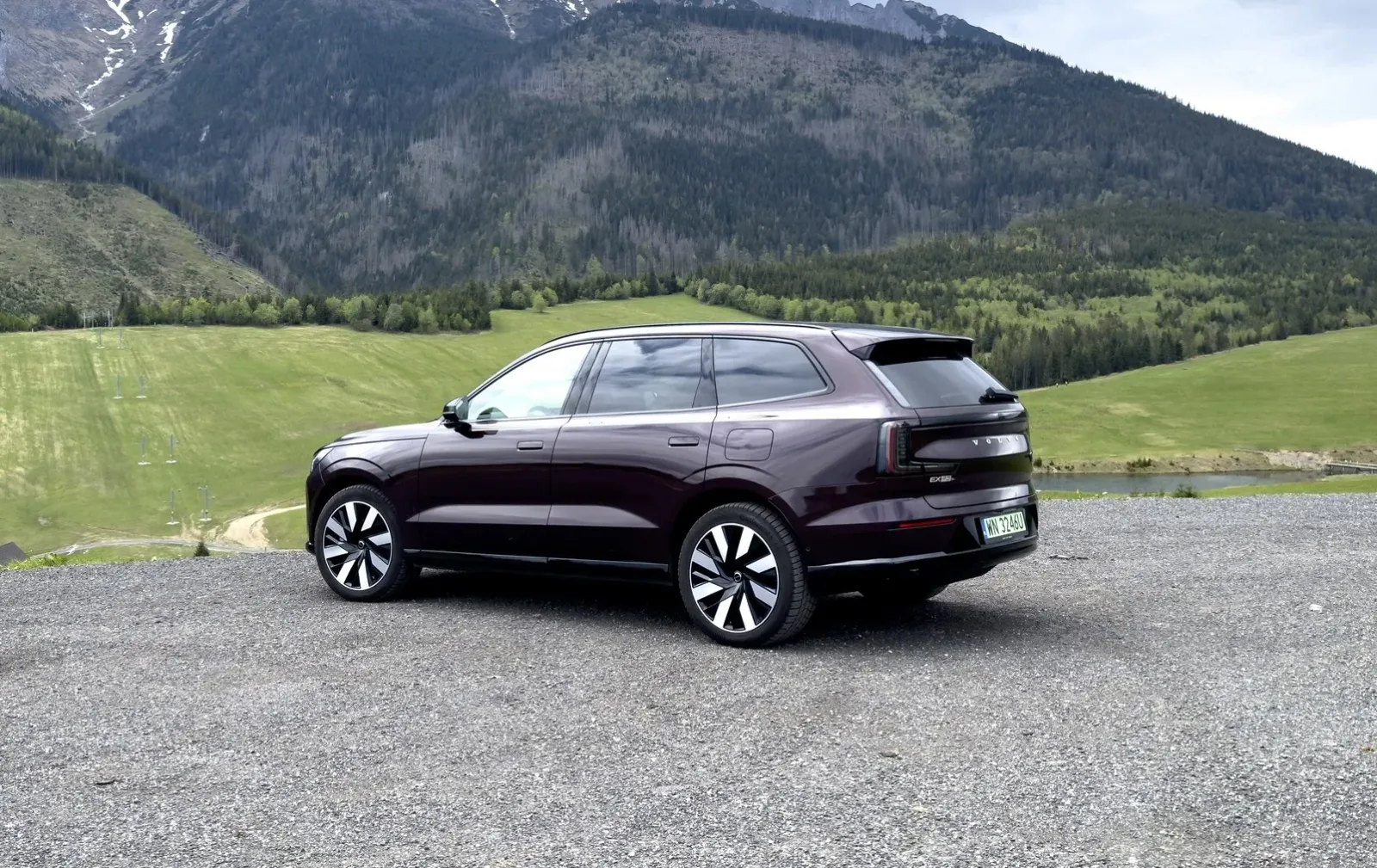
The key new model is the EX60, which is now reaching customers in Europe. At the top of the electric lineup are the luxury seven-seater SUV EX90 and the limousine ES90. Both models serve as the brand’s technological showcases, featuring the latest safety systems, software based on Google’s solutions, and advanced driver assistance systems.
What’s next? Volvo is focusing on its battery-powered strategy.
Despite weaker financial results and plans to cut another 2,500 jobs, Volvo does not intend to slow down its transformation. Reuters notes that the manufacturer released results worse than the market expected, putting pressure on its stock price. Therefore, all signals coming from Gothenburg indicate that the brand’s future will be even more closely tied to electrification. Priorities remain expanding the availability of the EX60, developing the EX and ES models, and further strengthening its position in the European market, where demand for electric cars remains high.
Oskar Włostowski