
Volvo XC60: New as a plug-in hybrid with 200 km of electric range
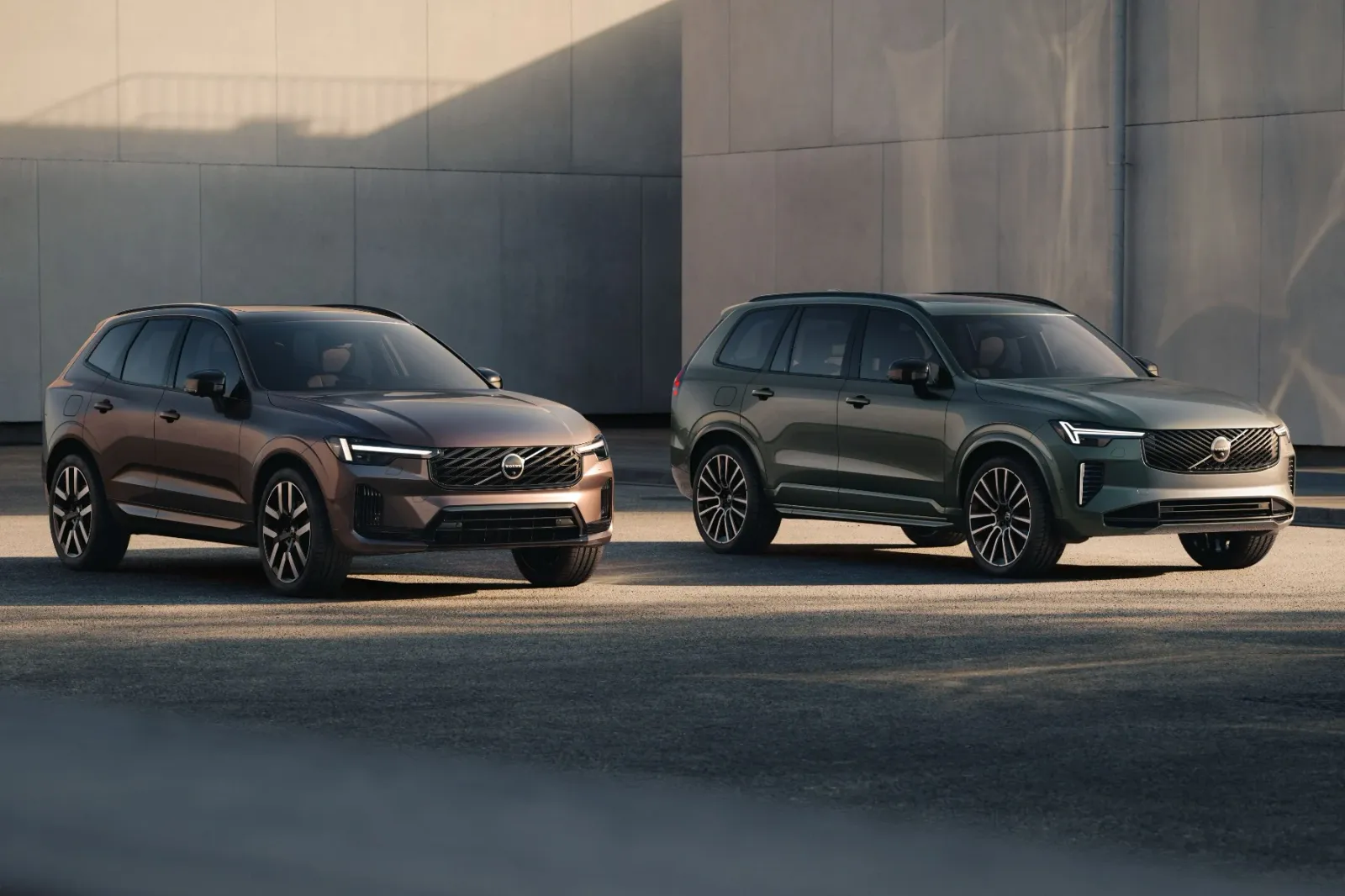
Volvo is introducing its first so-called “Long Range Plug-in-Hybrids”: The new Volvo XC60 Plug-in Hybrid will now offer an all-electric range of up to 200 kilometers. Meanwhile, the larger and heavier Volvo XC90 Plug-in Hybrid can travel up to 163 kilometers on electric power per battery charge.
Volvo XC60 and XC90 Model Year 2027
Image: Volvo
With these new models, Volvo—which already offers several all-electric vehicles such as the EX30 and EX60—aims to give customers the option to “cover most of their daily trips purely on electric power, thus requiring charging much less frequently,” according to the company.
The electric range of the Volvo XC60 Plug-in Hybrid and the Volvo XC90 Plug-in Hybrid is now more than two and a half times higher than that of previous plug-in hybrid models. This is because a battery with significantly greater capacity is now installed in the vehicle floor, at 41.2 kWh (compared to 18.8 kWh before). This is impressive, being slightly larger than the battery in the base version of the VW ID. Polo (37 kWh) and even much larger than that in the Renault Twingo Electric (27.5 kWh).
The 41.2-kWh battery is paired with a more powerful electric motor rated at 130 kW (compared to 115 kW / 156 hp before). Like all plug-in hybrids, however, the Volvo XC60 and XC90 also come equipped with an internal combustion engine, specifically a gasoline engine, which takes over under certain driving conditions and at least when the battery is nearly depleted.
Volvo XC60 with “Best-in-Class Range”
“The Volvo XC60 is the best-selling Volvo model of all time, and the Volvo XC90 marked the beginning of our development in the premium segment,” says Håkan Samuelsson, CEO and President of Volvo Cars. “Building on this legacy, the new plug-in hybrids feature best-in-class range, and together with the all-electric Volvo EX60 they form our strongest electrified lineup to date in the mid-size SUV segment. This allows us to offer every customer the right vehicle for complete electrification.”
The 200 km electric range of the Volvo XC60 Plug-in Hybrid (starting price: 69,990 euros) is “leadership in its class” according to the Swedish manufacturer. Indeed, when searching for another plug-in hybrid with such a range, only the Lynk & Co 08 comes up, which has a similarly large battery capacity of 39.6 kWh (gross). In a test by ADAC, the vehicle managed a real-world range of 176 km. It’s important to note that both Volvo and Lynk & Co belong to the Chinese Geely Group — so technology sharing is logical, even though they aren’t direct sister models. For comparison, among German manufacturers, the VW Golf eHybrid and its technically related Audi A3 Sportback TFSI e currently lead with electric ranges of up to 142 to 143 km.
Controversy over CO2 emissions of plug-in hybrids
For a long time, there has been significant debate over how frequently drivers of plug-in hybrids (PHEVs) actually charge, as this greatly affects the vehicle’s CO2 emissions. These cars can continue driving even with an empty battery, relying on their internal combustion engine. As early as 2022, the EU found that the actual CO2 emissions of 320,000 tested PHEVs were on average about 3.5 times higher than the value specified in their type approval. Therefore, the so-called utility factor was reduced starting in 2025.
Under current law, a second tightening measure is set to take effect in 2027, but the federal government is currently fighting against this. Given the extremely high fuel prices in recent months, there is at least a growing perception that more and more PHEVs are appearing at charging stations in Germany. This would result in lower CO2 emissions for these plug-in hybrids, most of which are powered by internal combustion engines.
_Source: via email_