
Volvo is preparing a major push with 13 new electric vehicles
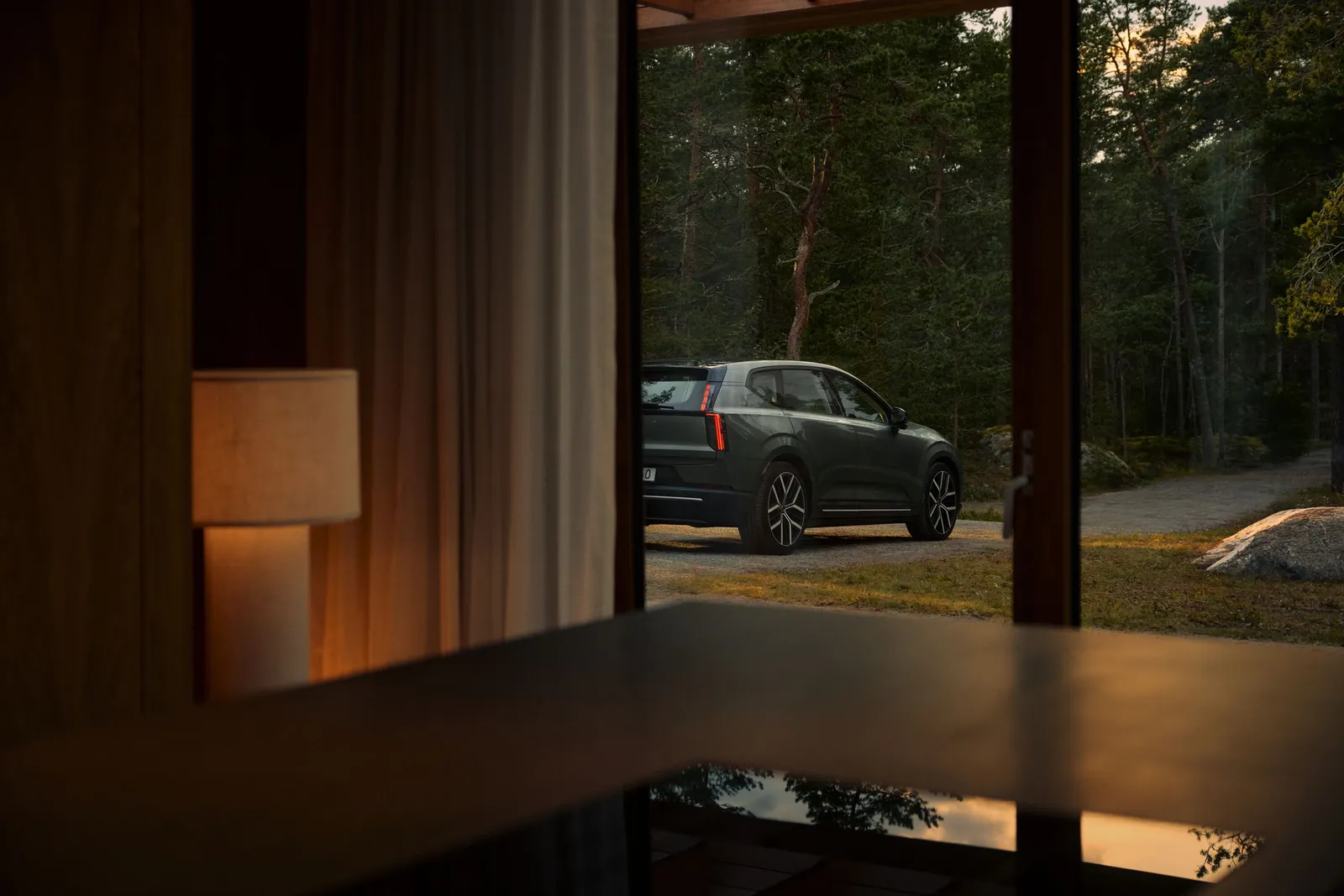
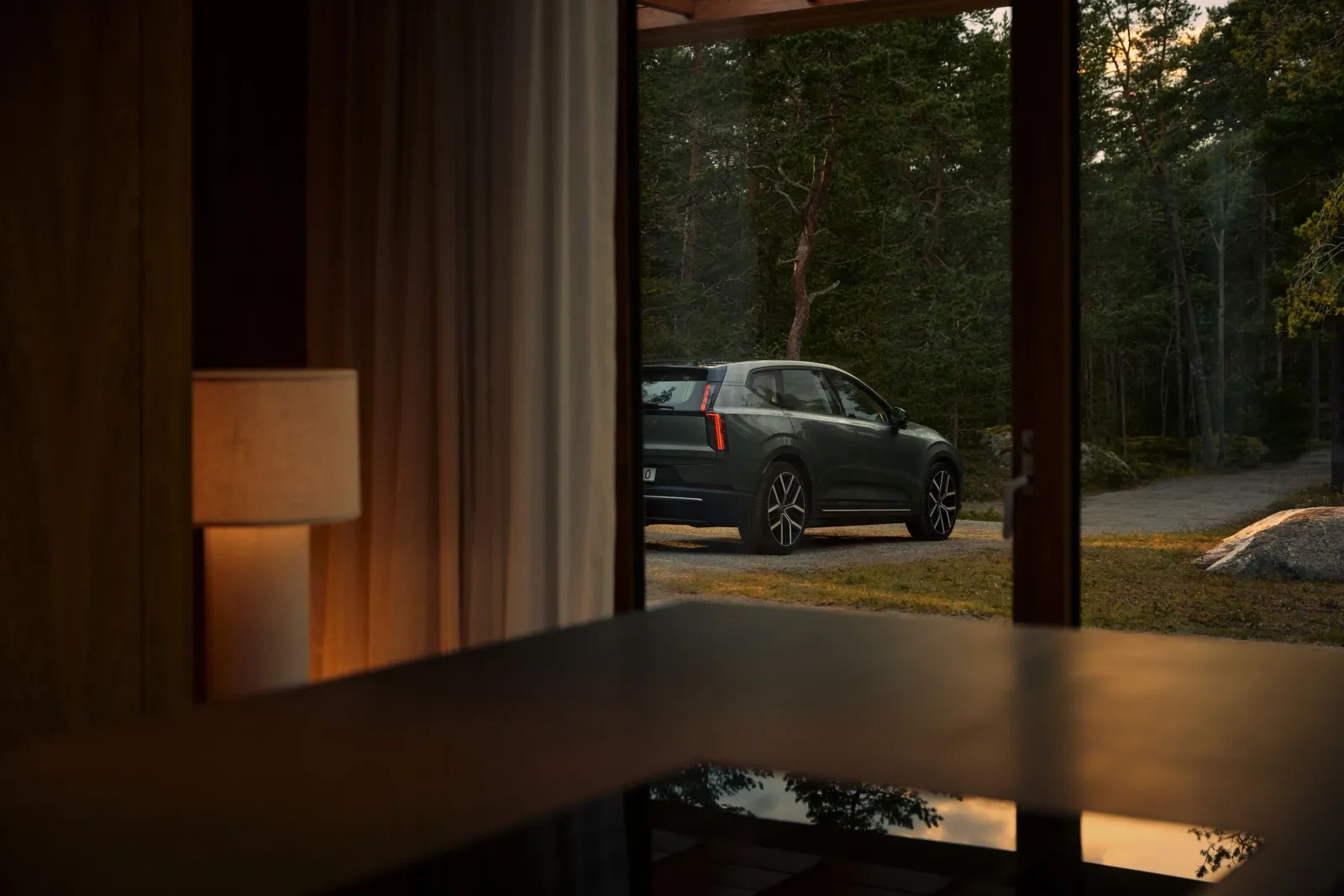
Volvo is set to significantly update its product lineup. The Swedish brand plans to introduce 13 new electric models by 2030, seven of which are intended for western markets and six specifically developed for China. To reduce costs, the company will also strengthen synergies with Geely, its Chinese parent company.
Seven new Volvos for western markets
Volvo has just unveiled part of its roadmap for the coming years. Following the introduction of several key electric models, including the EX30, EX90, and more recently the EX60, the manufacturer plans to accelerate the renewal of its product lineup. In total, Volvo aims to launch 13 new electric models by 2030 (including fully electric vehicles and plug-in hybrids).
Also read
The Volvo EX30 gains a very practical feature through a simple remote update
Seven of them will be targeted at western markets, including Europe. The other six are designed specifically for China. For its models in western markets, Volvo will build on the investments already made in the SPA2 and SPA3 platforms. The latter was introduced with the EX60, which will soon be tested on Automobile Propre, and is intended to serve as the basis for several future electric vehicles. The approach is to use more components and technologies that have already been developed rather than starting from scratch each time.
This strategy is intended to help the manufacturer reduce the costs associated with developing each car. Volvo also believes it can improve its margins by standardizing its electric architectures and shared hybrid platforms.
Closer to Geely than ever
The changes will be even more pronounced in China. Volvo plans to rely much more heavily on the resources of Geely, its main shareholder. The six future Chinese models will share platforms, components, a common supply chain, and a software architecture tailored to the local market.
This close cooperation between Volvo and Geely will not be limited to China alone. In fact, the Swedish company aims to raise the proportion of shared parts with Geely from 10% currently to around 30% by 2030. The manufacturer believes this sharing could reduce its material costs by about 5%.
Also read
Volvo EX40 and EC40: A refresh for the two Swedish electric SUVs, here’s what changes
Behind this product offensive lies a desire to cut costs. Volvo aims for an operating margin of over 8% in the long term and is now adopting a much more regionalized strategy. In the future, a Volvo sold in China may therefore have significantly fewer similarities with its European counterpart than it does today.