
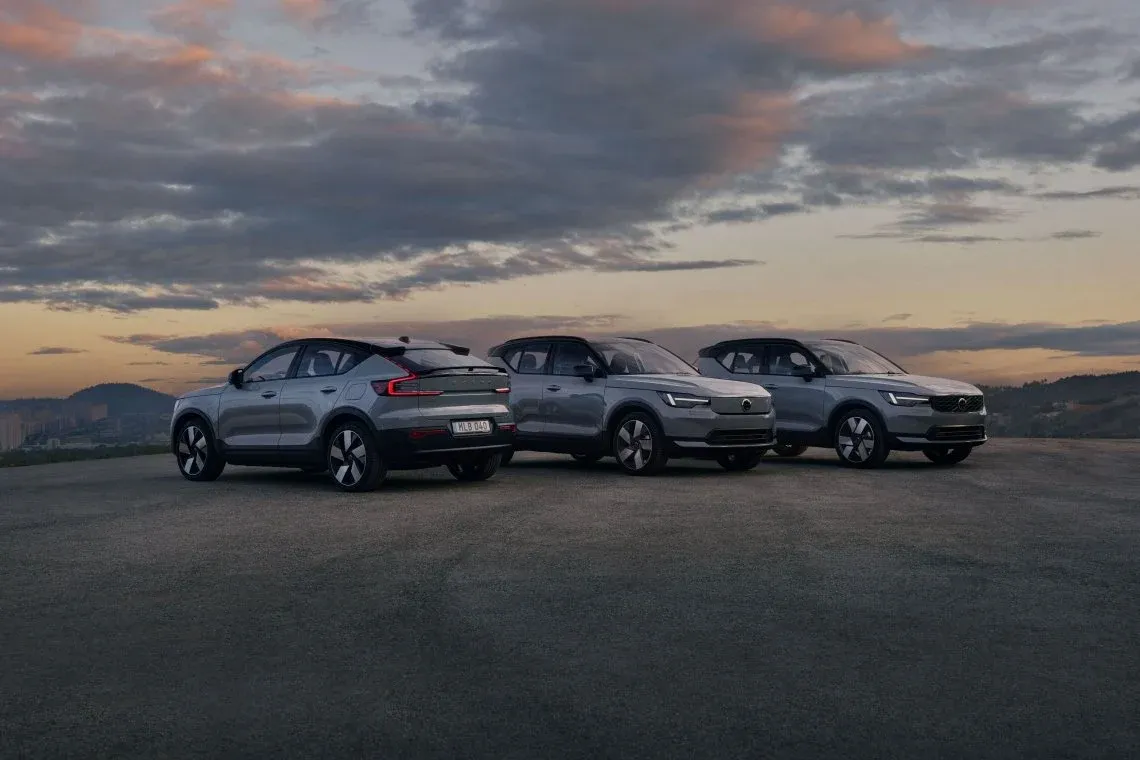
Volvo is updating the XC40, EX40, and EC40 models. The design will change and new technologies will be added.
In short:
Volvo is modernizing three compact models at the same time
The plug-in hybrid XC40 and the electric EX40 and EC40 will receive updated designs
There will be larger screens, new driver assistance systems, and enhanced software
Production of the refreshed models will begin late in autumn
Volvo goes all-in on modernization
Volvo (Geely Group) is carrying out a major update to its popular 40-series models. Following the pattern of other models in its lineup, instead of a completely new generation, we get a thoroughly refreshed version of a model that has been around for years — though it’s certainly hard to call it outdated. The changes apply to the gasoline-powered XC40 as well as the electric EX40 and EC40, meaning three vehicles from the same part of the range that now serve slightly different roles.
The XC40 remains a classic compact SUV with a gasoline engine supplemented by a mild hybrid system. The EX40 is its electric counterpart, previously sold as the XC40 Recharge, while the EC40 is a more streamlined version with a steeper roof line (in the style of a SUV coupe), formerly known as the C40 Recharge. Volvo changed the names of its electric models in 2024 to align them with the EX30 and EX90.
New front end and another iteration of the “Thor’s hammer”
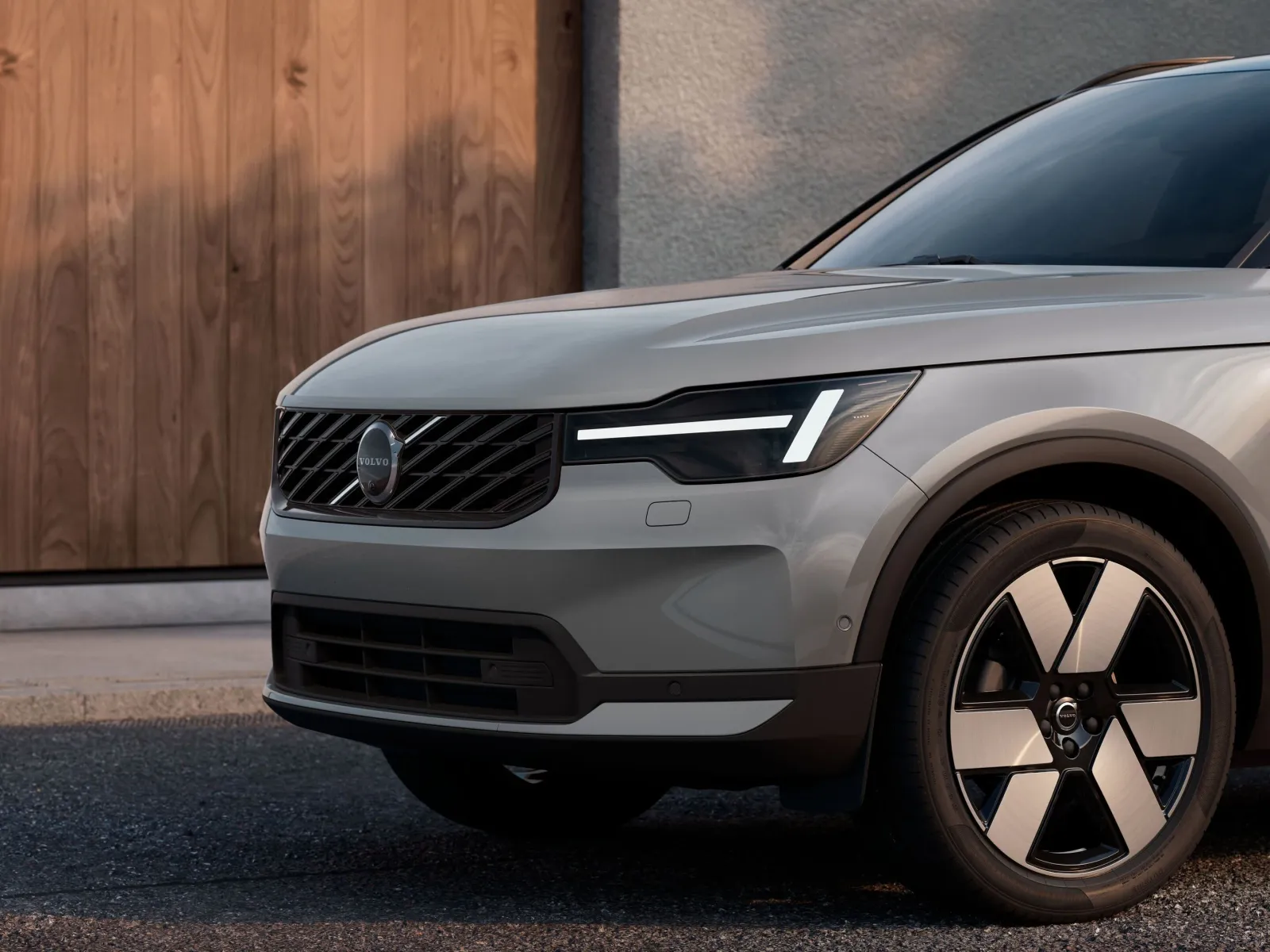
The refreshed models are easiest to identify by the front part of the body. Volvo has redesigned the grille, bumper, hood, and front fenders, while the iconic Thor’s hammer-shaped light pattern has been given a new interpretation.
Matrix LED headlights are used, which can selectively control the light beam and reduce glare for other drivers.
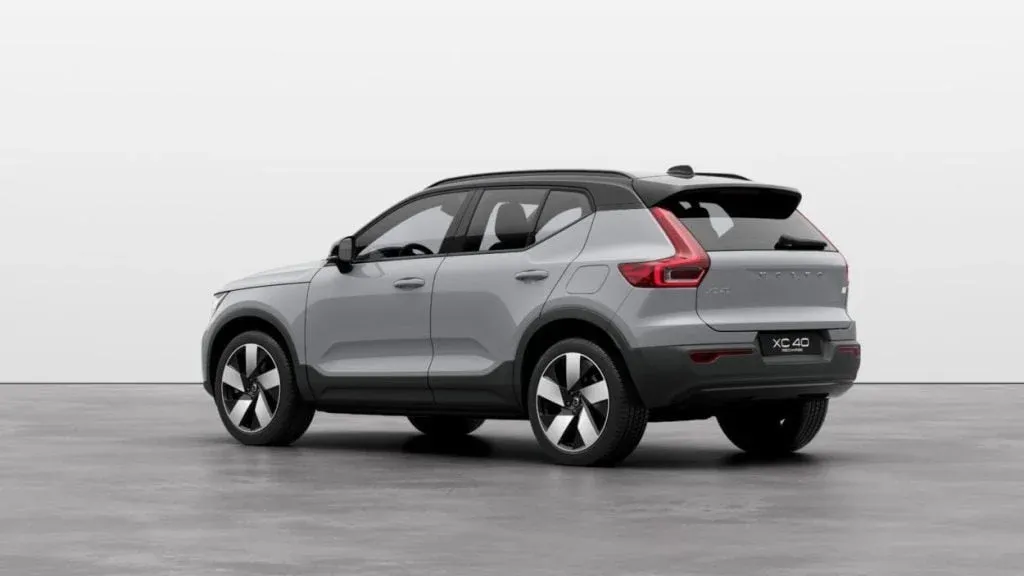
The rear changes are not identical across all models. The XC40 and EX40 receive new LED lights, a redesigned trunk lid, and an altered bumper. The EC40 retains its distinctive silhouette with less noticeable changes to the rear. The XC40 will also feature new designs for 18-, 19-, and 20-inch wheels.
Larger screen replacing the previous system
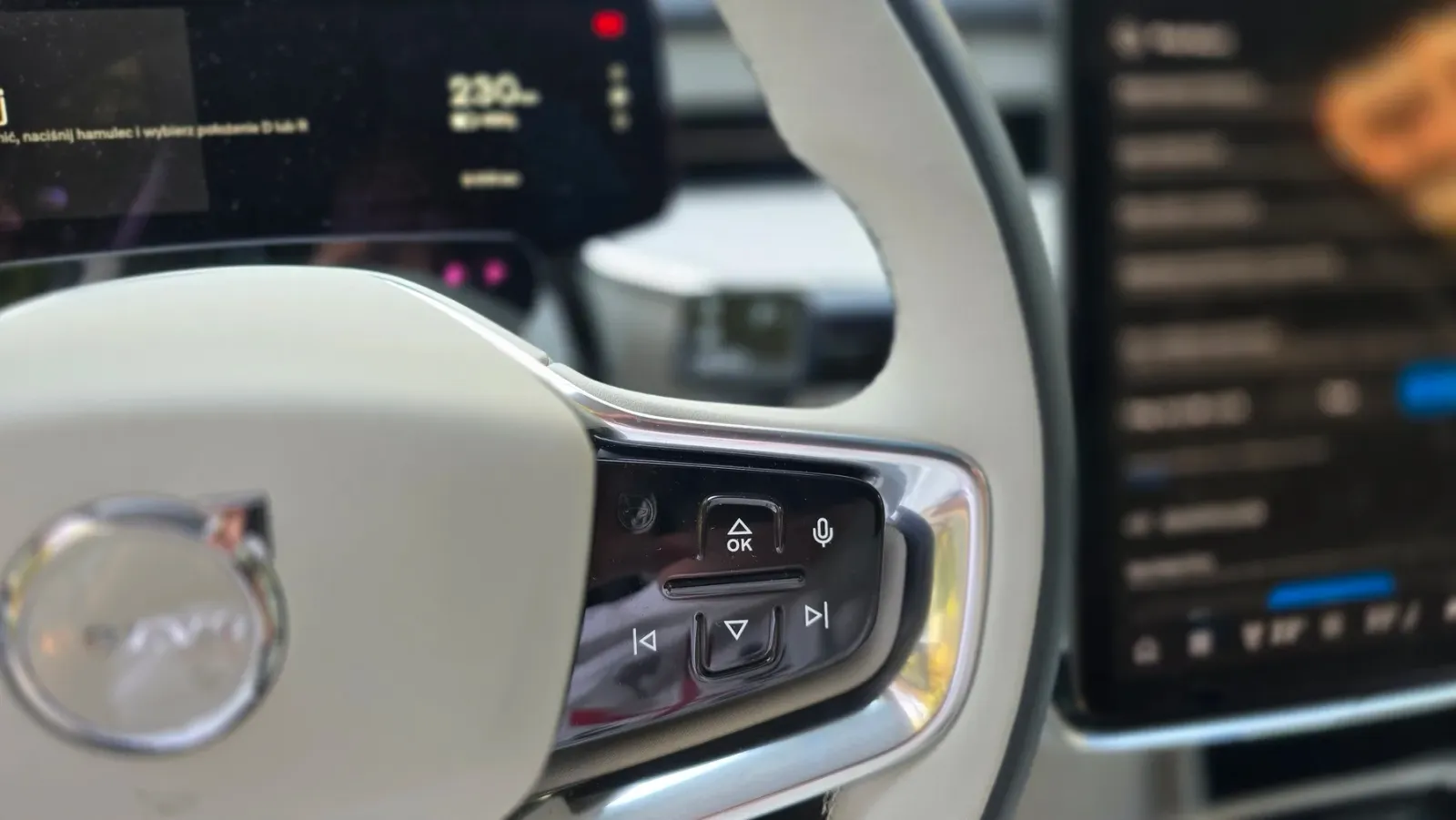
One of the most noticeable changes inside is the 11.2-inch central screen. It replaces the smaller display used before and comes with an updated interface designed to reduce the number of steps needed to access the most frequently used functions.
Volvo is also developing software for cars with built-in Google services simultaneously. Google Gemini, a new assistant that uses generative artificial intelligence, is set to be available in the 40 series models as well. It aims to enable more natural command delivery, location searching, route planning, and message handling. However, Volvo notes that the availability of specific Gemini features will depend on the market and the version of Google services.
The cabin also features a new inductive phone charger and updated interior materials. For the first time in the XC40, there will be Arianne Cardamom leather upholstery combined with ash wood trim. Black and aluminum decorative elements are also available, along with new interior lighting.
More sensors and a 360-degree camera
A large part of the upgrades relates to safety and driver assistance systems. The vehicles receive an updated set of radars and cameras, rear corner radars, and 12 ultrasonic sensors.
This is complemented by a new 360° camera with 3D vision, making it easier to maneuver in tight spaces.
EX40 and EC40 Still Offer Long Range
The changes don’t represent a revolution in the drivetrains. For the electric EX40 and EC40, Volvo is focusing mainly on updating the technology, design, and features.
According to new figures, the EX40 is expected to offer up to 575 km of WLTP range, while the more aerodynamic EC40 will achieve up to 584 km. Both models are available in several drivetrain configurations, including single-motor rear-wheel drive and dual-motor all-wheel drive.
Volvo has previously offered versions in this family including Single Motor, Single Motor Extended Range, Twin Motor, and Twin Motor Performance. For example, the current EX40 Single Motor delivers 238 horsepower and features rear-wheel drive.
The XC40, on the other hand, is aimed at customers who are not yet ready for a fully electric vehicle. In its case, Volvo continues to rely on gasoline engines supplemented by a mild hybrid system.
The 40 series now faces much stronger competition
Modernization is also important because Volvo’s models compete in one of the most crowded segments of the European premium market. The XC40 competes with models such as the BMW X1, Audi Q3, and the new Mercedes GLA. The electric EX40 and EC40 compete with the BMW iX1, Audi Q4 e-tron, and the electric version of the new GLA.
Mercedes, in particular, has raised the bar recently. The new generation GLA, unveiled in 2026, is available with both electrified powertrains and as a fully electric model, with the top version achieving up to 657 km of WLTP range.
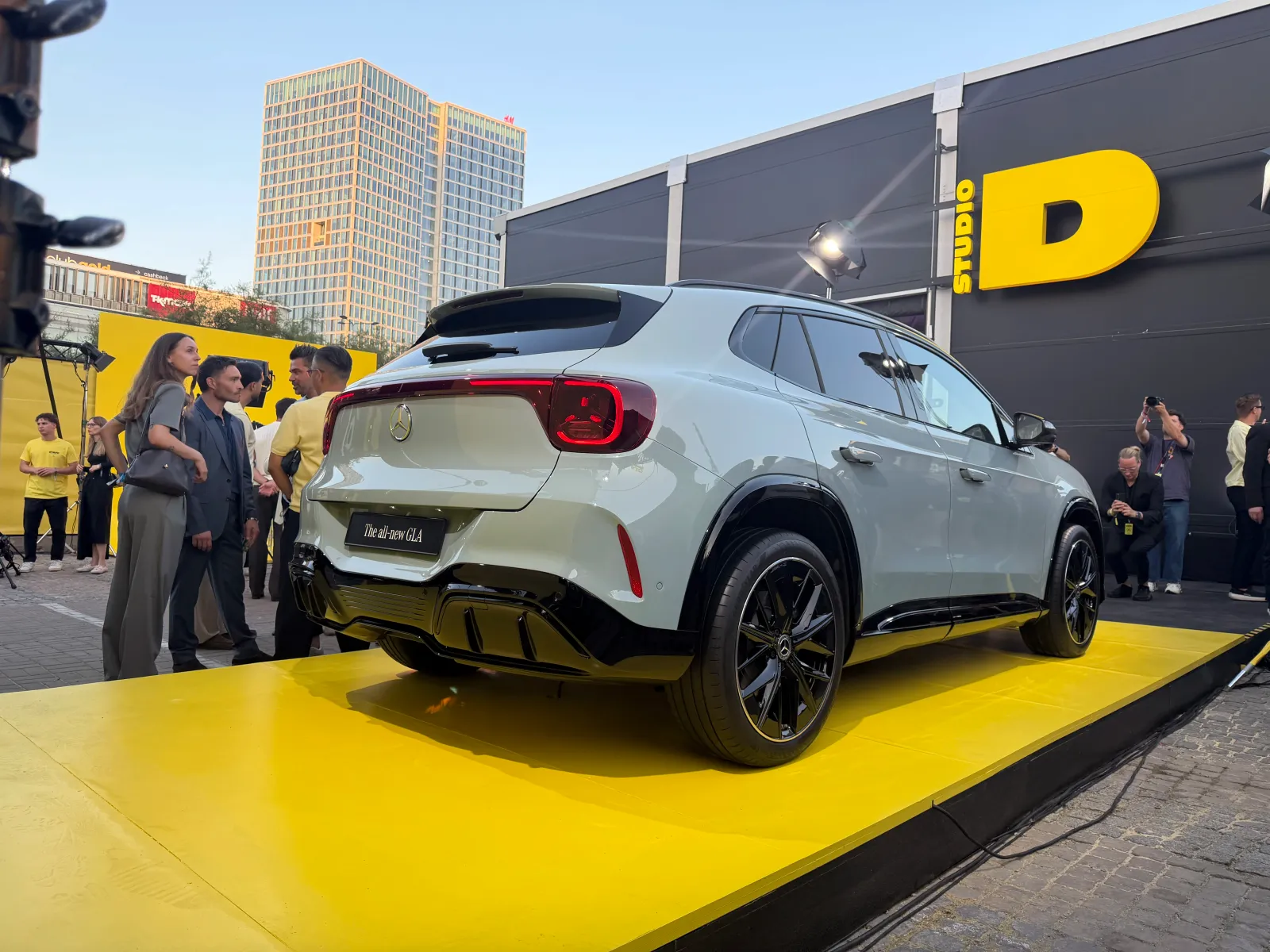
Many new models from outside the traditional German trio have also entered the market, including Lexus vehicles and Chinese manufacturers who are becoming increasingly present in Europe. As a result, Volvo is opting to modernize its existing platform rather than immediately replacing the entire lineup with a new model.
Production will begin at the end of 2026
Orders for the refreshed XC40, EX40, and EC40, including the Black Edition variants, are now being accepted in selected markets. Production is set to begin late autumn 2026. Volvo has not yet released a complete schedule for introducing all the new versions to its Polish lineup.
The updates are aimed primarily at extending the lifespan of the well-known 40 series. Rather than changing the car’s overall concept, Volvo focuses on improving those elements that wear out fastest: electronics, multimedia systems, driver assistance features, and the exterior design.
This is particularly important for the EX40 and EC40, which must compete with increasingly newer electric SUVs offering greater range and much more advanced software.
Piotr Sobczyk