
Volvo doesn’t want to kill off one of its most iconic cars, so it plans to make it electric: “It’s an interesting opportunity.”
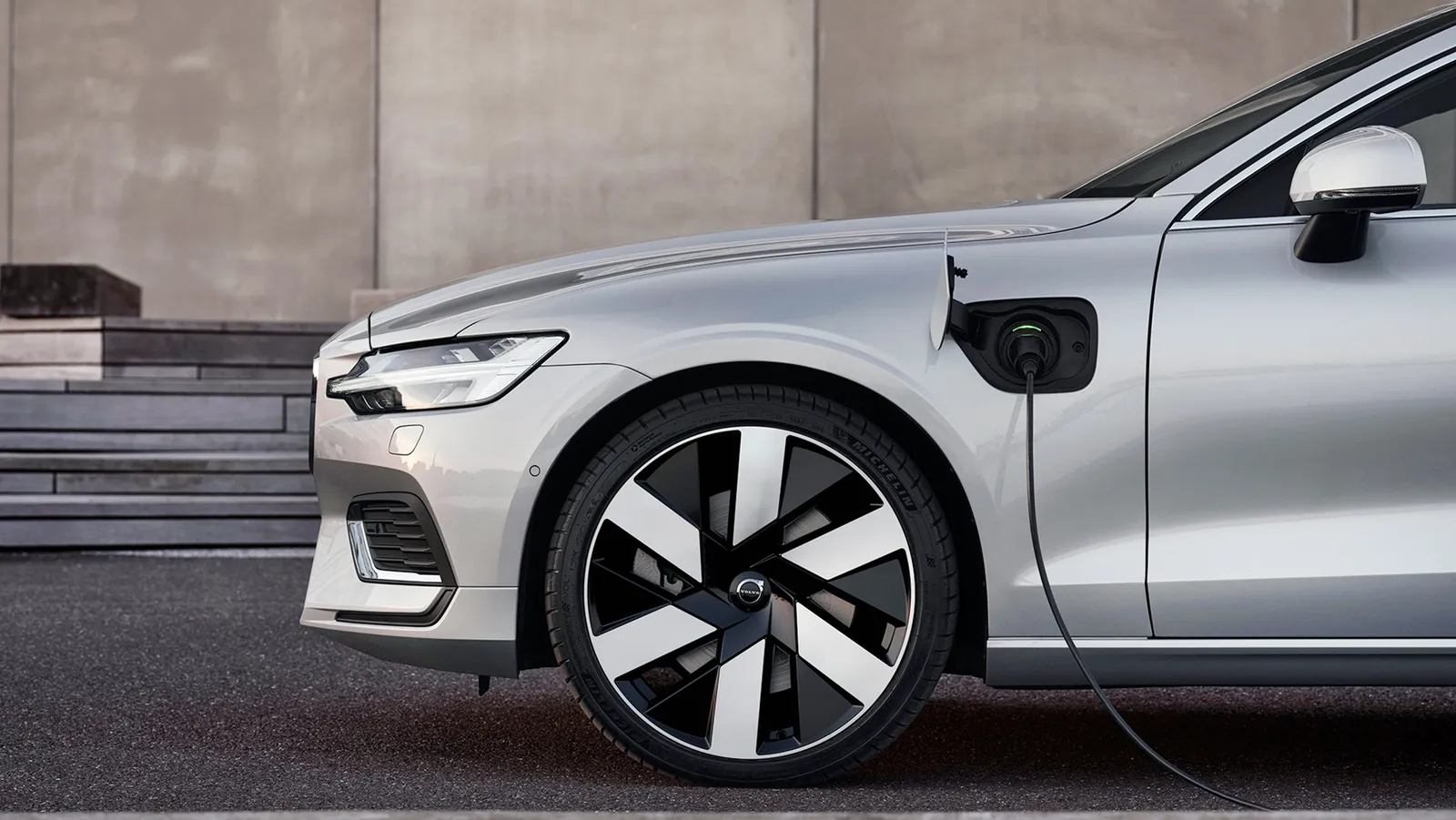
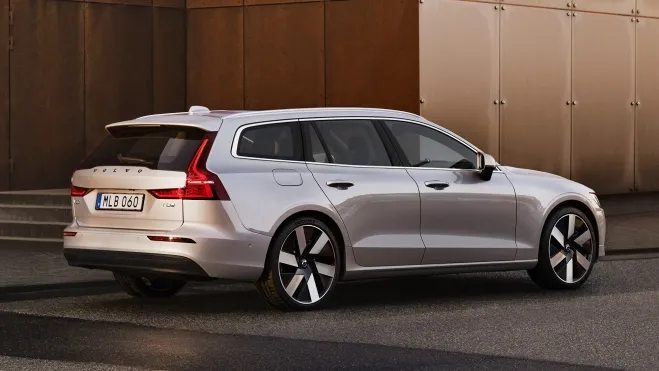
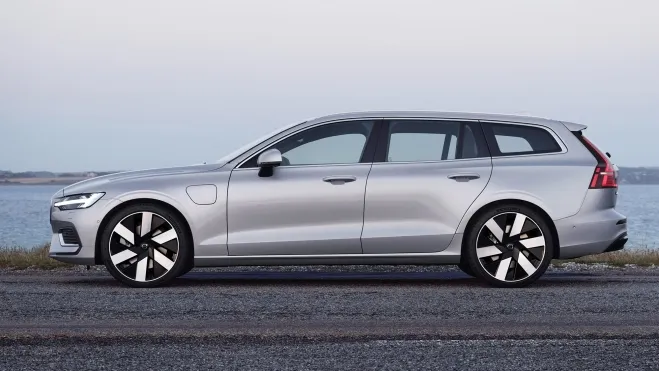
There was a time when talking about Volvo meant thinking almost immediately of a family car. The Swedish company once offered four models of this type simultaneously, but now only the V60 remains after production of the V90 ended last year. SUVs dominate its current lineup and also capture a large portion of customer preferences.
However, Volvo is reluctant to completely close this chapter in its history. Various company executives have acknowledged that they would like to keep producing family cars, and more importantly, its new SPA3 electric platform could be used to develop one. The issue is not technical but commercial. Volvo needs to verify that there are enough buyers willing to choose it over an SUV.
Volvo Acknowledges the Value of Its Models
Nicole Melillo Shaw, Volvo’s head of the UK market, states that the current V60 will remain in production “until the time comes when we can no longer” continue manufacturing it. The company attempted to discontinue both the V60 and V90 in this market during 2023, but brought them back a year later due to strong demand and protests on social media. Later, a Volvo sales executive admitted that the decision had been a mistake.
For Shaw, keeping a representative of such a legacy holds value that goes beyond sales. “From my perspective, it’s always fantastic to have a representation of your brand’s iconic heritage in the lineup,” he explains. The executive also recognizes the strong nostalgia surrounding these cars, as many customers recall that their parents or grandparents owned a Volvo, and there are even people who seek to work for the company precisely because of that emotional connection.
But memories don’t necessarily turn into model listings. “There are really difficult decisions to make right now,” Shaw tells Auto Express. The addition and removal of models from the lineup may seem erratic, but he insists there’s a very rational reason behind it: “Are we selling enough?” Akhil Krishnan, vice president of the ‘60’ range, summarizes Volvo’s stance in equally simple terms: “If there’s a business case, why not?”
A new electric model is technically possible
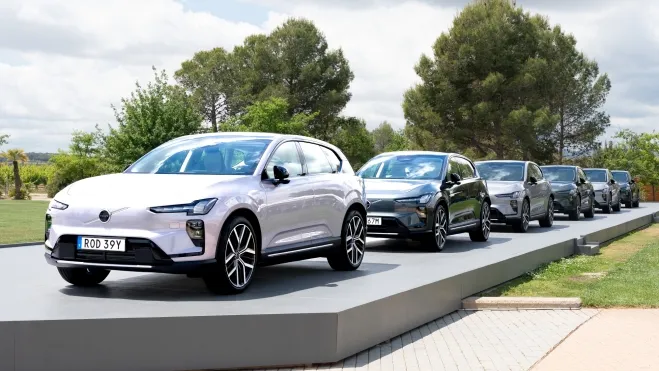
It is here that SPA3 comes into play, the new electrical architecture introduced by the Volvo EX60 and which will serve as the basis for the company’s upcoming electric vehicles. When the aforementioned media directly asked CEO Håkan Samuelsson whether this platform could be used to build an electric family car, his response was quite revealing: “It’s an interesting opportunity.”
Erik Severinson, Volvo’s head of sales, also confirms that there are no technical obstacles. “SPA3 is a highly capable architecture for building large, small, tall, and low cars, which is a prerequisite for any discussion about a family car,” he explains. Its flexibility would allow, at least in theory, the development of a car that is significantly lower and more stylish than current electric SUVs.
The platform also incorporates some of Volvo’s most important next-generation technologies, such as an 800-volt electric architecture, battery cells integrated directly into the chassis, and large structural components made using megacasting. It also allows for better utilization of interior space and gives designers greater freedom—two features particularly valuable for reviving the brand’s traditional models.
SUVs now hold the upper hand
Volvo does not need to develop the technology required for family vehicles from scratch in the electric era. The challenge lies in justifying such a product economically, especially since European and global buyers continue to favor SUVs. And that is precisely the paradox.
BMW, Mercedes, and Audi remain committed to family vehicles, while Volvo, perhaps one of the brands historically most associated with this vehicle type, is uncertain about its future. Even its own executives acknowledge that these models constitute a particularly important part of the company’s identity.
Volvo claims it is preparing “the most ambitious product plan in its history,” with details set to be announced on September 17th. As of now, there is no confirmation that it will include a new electric family vehicle, but there is also no denial. With the SPA3 platform ready for producing low-slung cars, its own executives emphasizing the historical value of such models, and a CEO viewing it as “an interesting opportunity,” the door remains clearly open.