
The Volvo EX40 and EC40 have been gently refreshed. With ranges of 575 and 584 WLTP units respectively, the “small but mighty” version remains in the lineup.
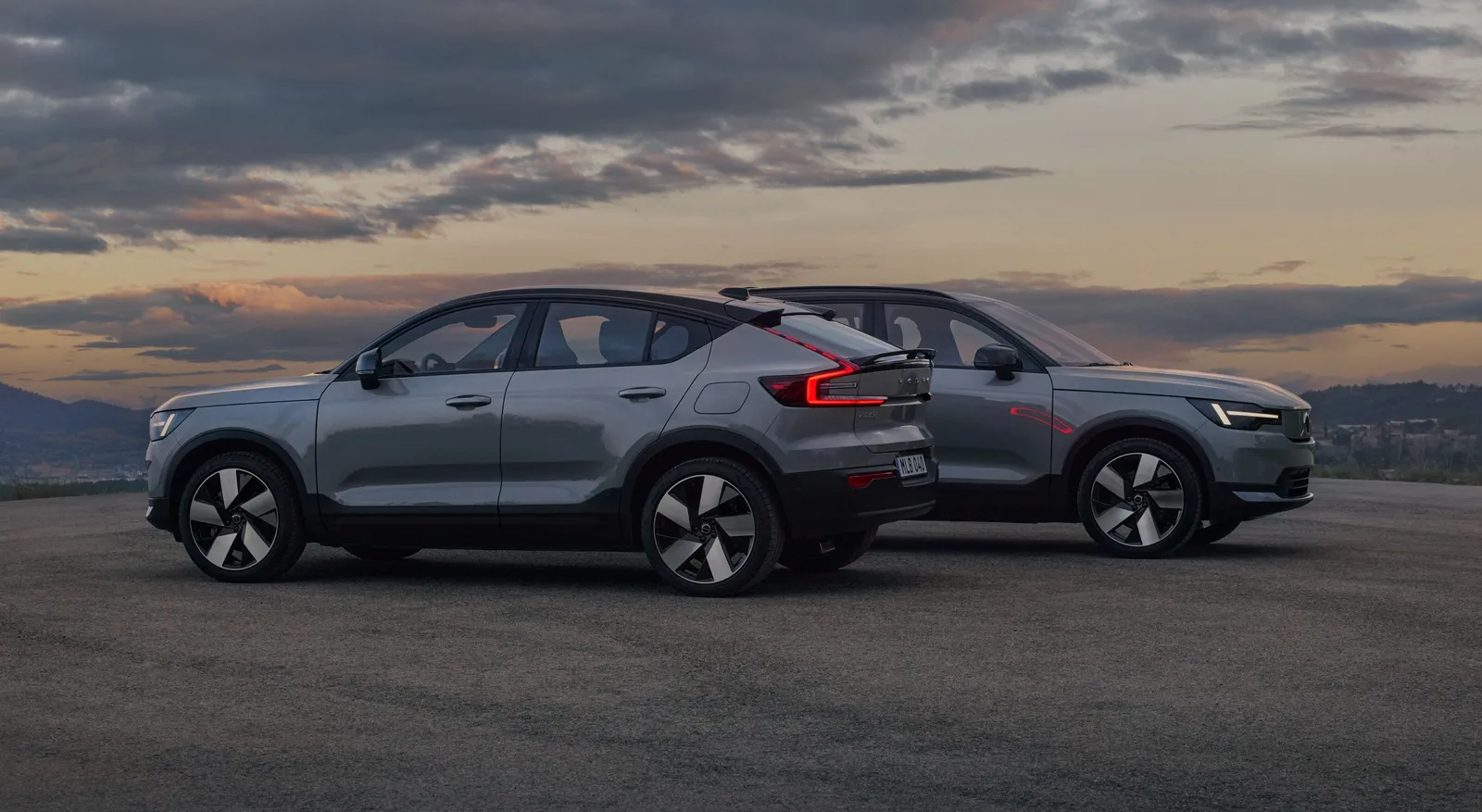
Volvo claimed to have refreshed the Volvo EX40 and Volvo EC40, but one needs to look closely to notice where the changes have taken place. The updates are most evident in the rear lights and the redesigned center display. Some minor optimizations were made to the powertrains, resulting in increased range and improved performance: the Volvo EX40 (2027) has a maximum WLTP range of 575 units (+11.7%), while the EC40 offers 584 units (+9.4%). The P8 Performance AWD version accelerates to 100 km/h in 4.6 seconds, and we’re glad this extreme variant wasn’t discontinued
Volvo EX40 / EC40 – a more electronic facelift
Table of contents
Volvo EX40 / EC40 – a more electronic facelift
Technical specifications
New updates
To prevent media representatives from getting lost in the maze of changes, Volvo has prepared a detailed list of modifications. However, according to the fundamental principle of all manufacturers [outside China], nothing that sells well needs to be changed: the Volvo XC40 is the company’s second-best-selling model worldwide, so it and its fully electric siblings (EX40, EC40) are actually older models with minor updates here and there. Volvo simply lacks the motivation to undergo dramatic facelifts. Which is a shame.
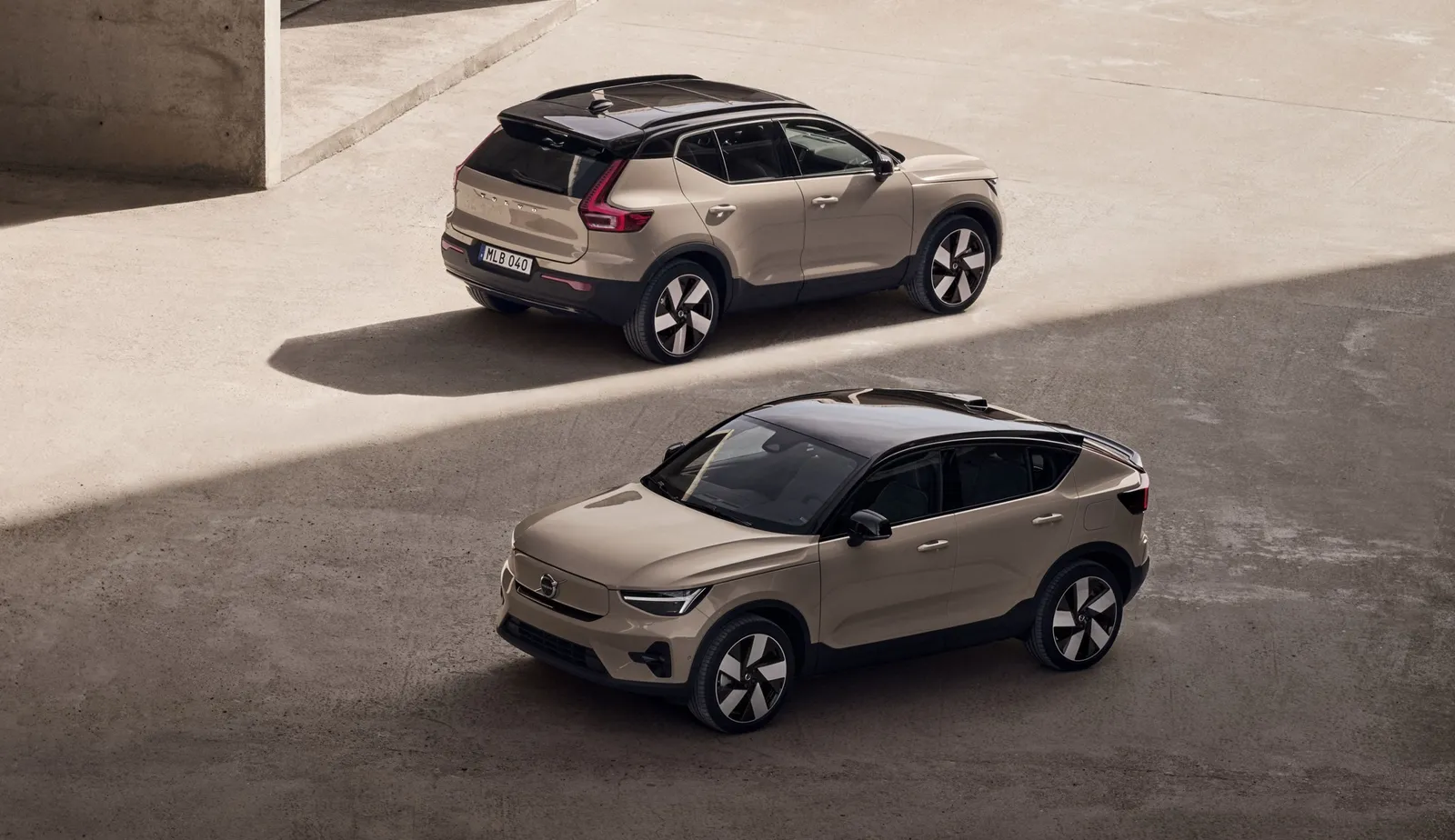
Volvo EX40 (top) and previous-generation EC40
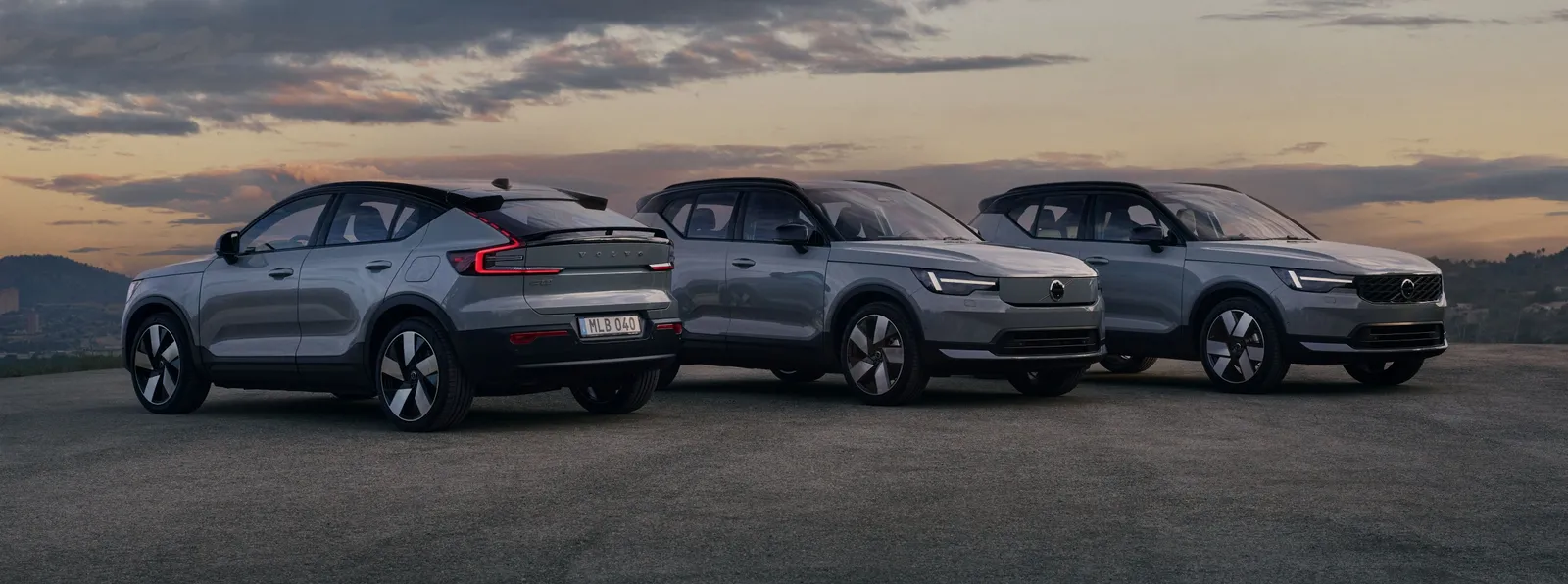
Volvo EC40, EX40, and XC40 from the 2027.5 model year. Find three differences compared to the previous generation (above), and note that the combustion engine model (last on the right) is no longer the lesser sibling — it appears in the illustration alongside its electric siblings.
Technical specifications
The Volvo EX40 (2027) includes the following models:
Volvo EX40 P5 (E400V23), 70 (67) kWh battery, 175 kW/238 hp RWD, 420 Nm torque, maximum charging power of 180 kW, 10-80% charge time of 26 minutes, range of 435-477 WLTP units,
Volvo EX40 P5 (E400V16), 69 (66) kWh battery, 175 kW/238 hp RWD, 420 Nm torque, maximum charging power of 135 kW, 10-80% charge time of 33 minutes, range of 435-471 WLTP units,
Volvo EX40 P4 Long Range (E400V22), 82 (79) kWh battery, 150 kW/204 HP RWD, 420 Nm, maximum charging power of 205 kW, 28 minutes to charge from 10-80 percent, range of 520-573 WLTP units,
Volvo EX40 P5 Long Range (E400V8), 82 (79) kWh battery, 185 kW/252 HP RWD, 420 Nm, maximum charging power of 205 kW, 28 minutes to charge from 10-80 percent, range of 520-576 WLTP units,
Volvo EX40 P8 AWD (E400V12), 82 (79) kWh battery, 100+190 kW/150+258 HP, 670 Nm, maximum charging power of 205 kW, 28 minutes to charge from 10-80 percent, range of 485-540 WLTP units,
Volvo EX40 P8 Performance AWD (E400V19), 82 (79) kWh battery, 135+190 kW/184+258 HP, 670 Nm, maximum charging power of 205 kW, 28 minutes to charge from 10-80 percent, range of 485-538 WLTP units.
The first obvious conclusion is this: Volvo hasn’t changed the car’s architecture; it remains 400 V, so there’s no talk of borrowing better solutions from the group. It’s Zeekr that’s supposed to be Geely Group’s top-tier, most technologically advanced brand. Polestar didn’t succeed, so it remains tied to Volvo and struggles to survive, while Volvo… well, sticks to the old ways.
We’re pleased with the increased maximum range of the new Volvos: software updates have brought improvements in this area, and it’s also possible the manufacturer used new tires and wheels, allowing electric vehicles to travel further on a single charge. The improvements amount to 9-12 percent, so they should be noticeable. The confusion around the models is somewhat concerning—the P5 comes in two versions, and while the V16 charges much worse than the V23, it has practically the same range. The Long Range edition is available as the P4 V22 and P5 V8, with ranges that are again practically identical, as are the charging times—so where is the catch?
New Arrivals
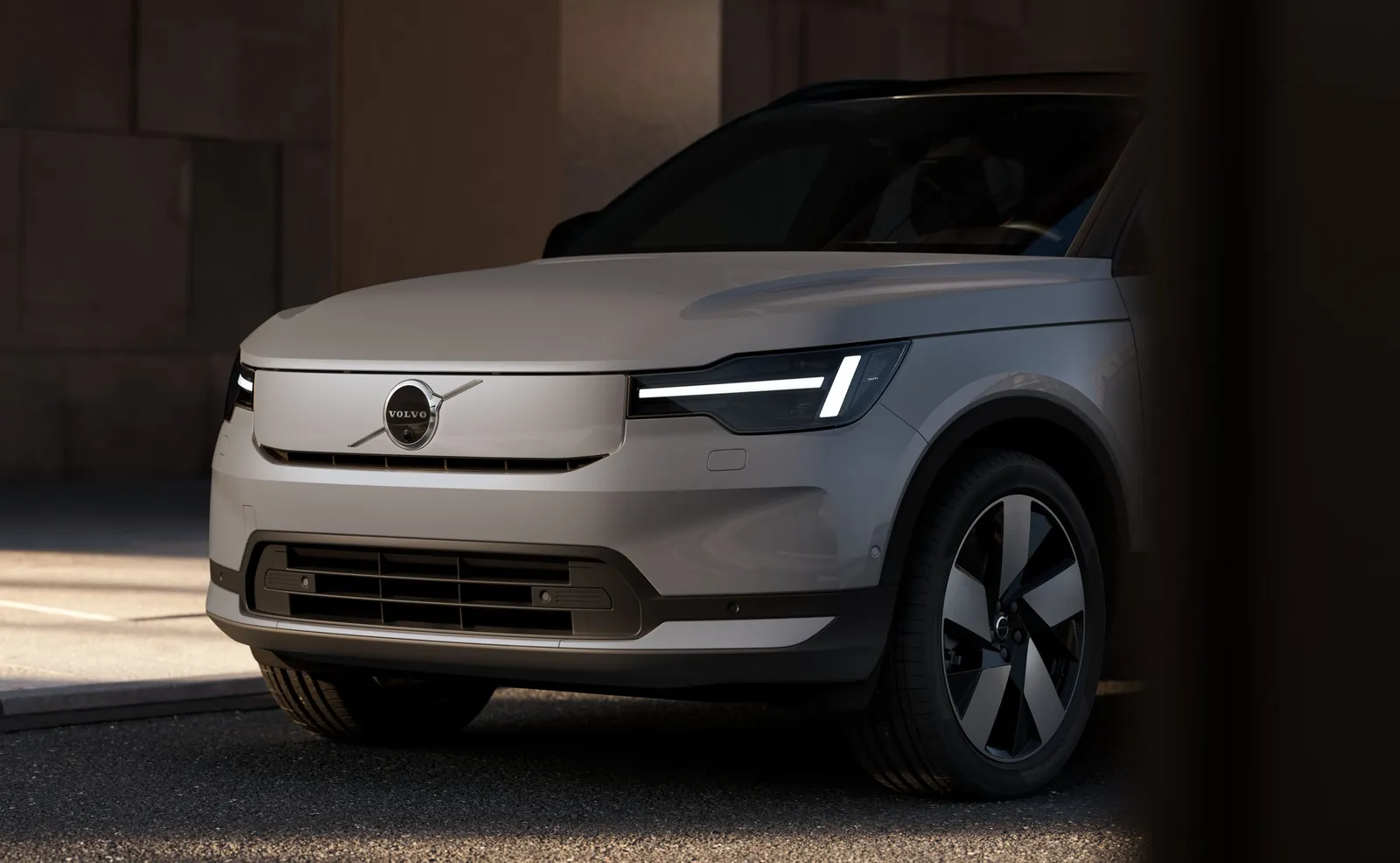
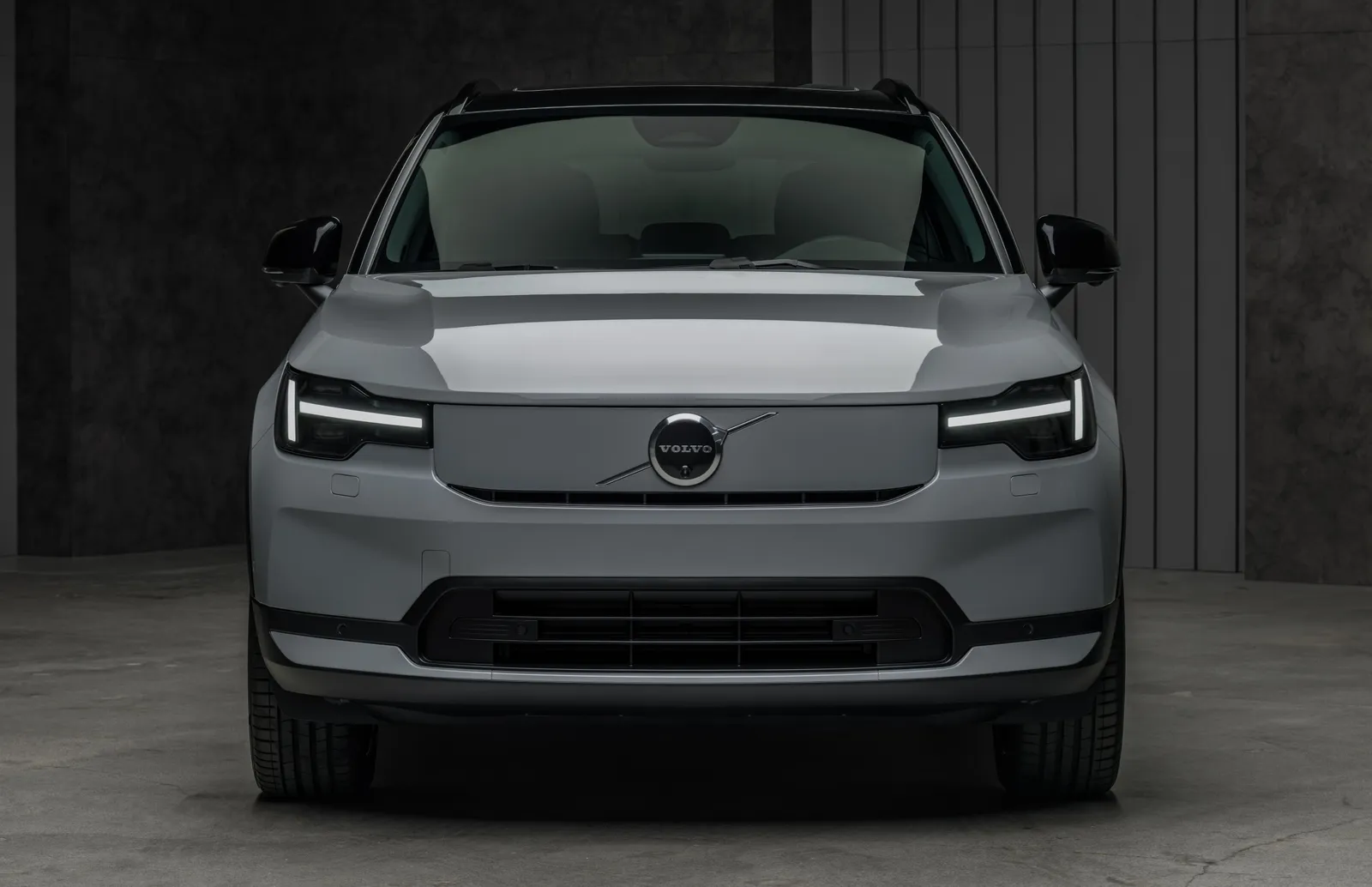
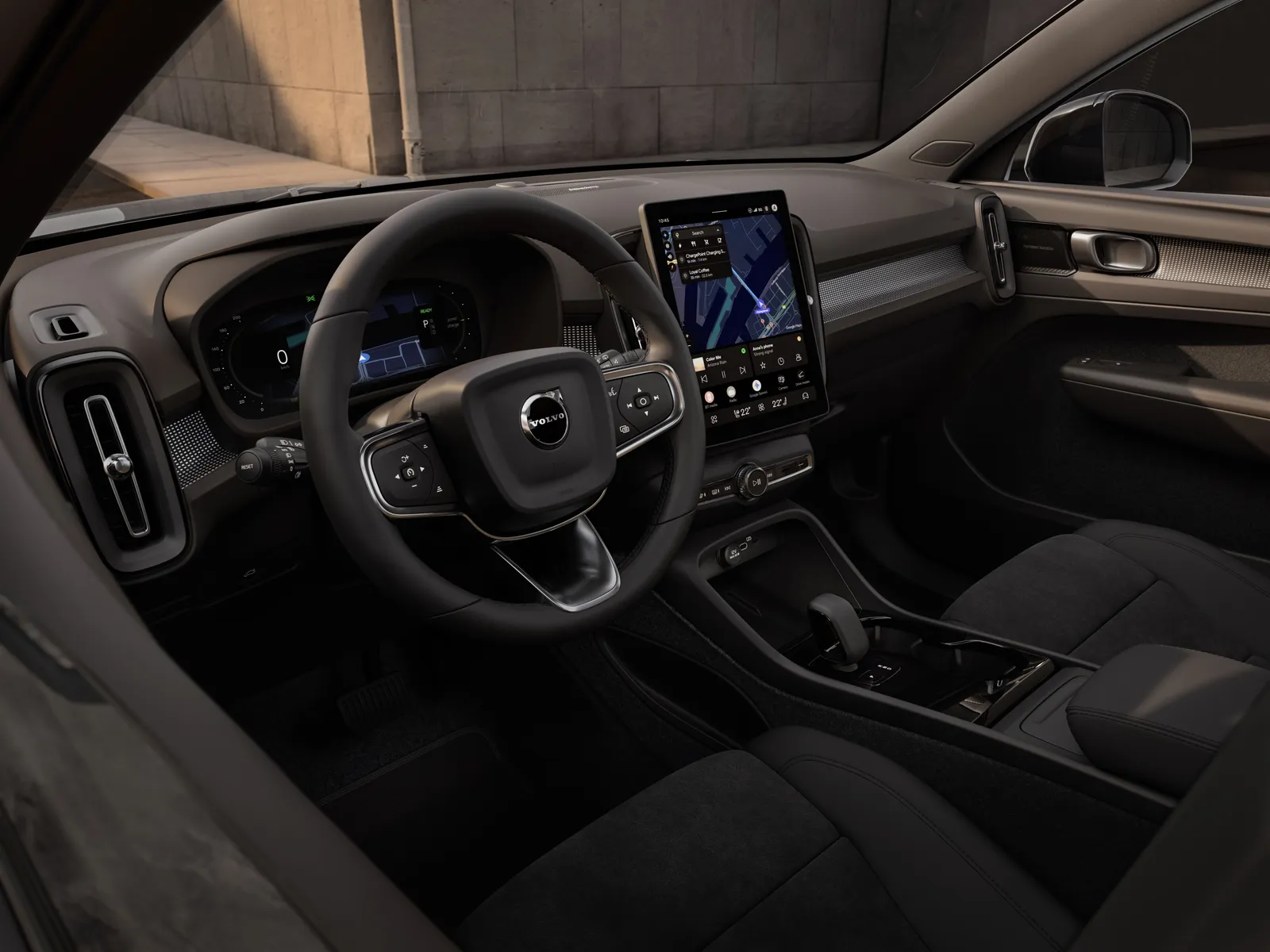
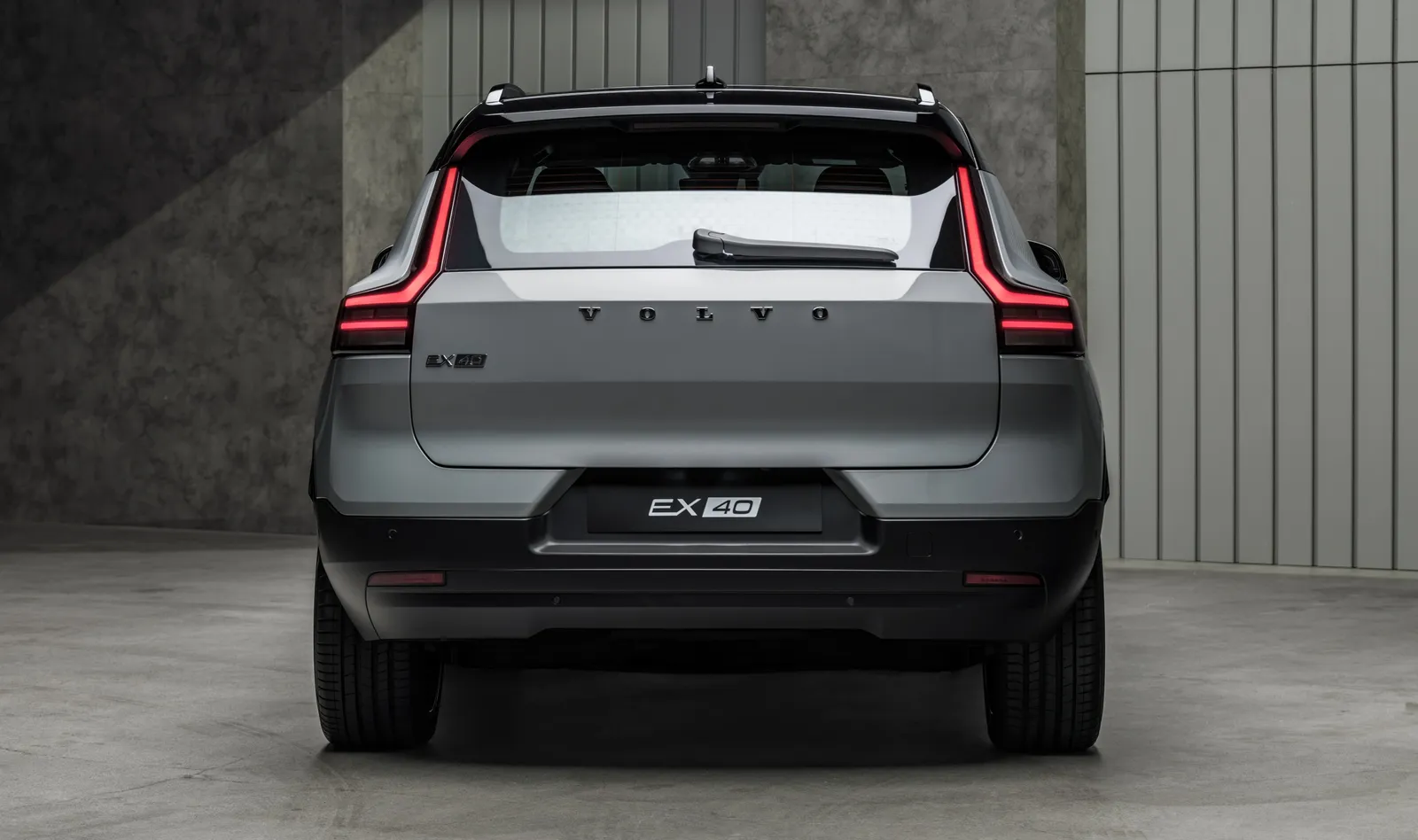
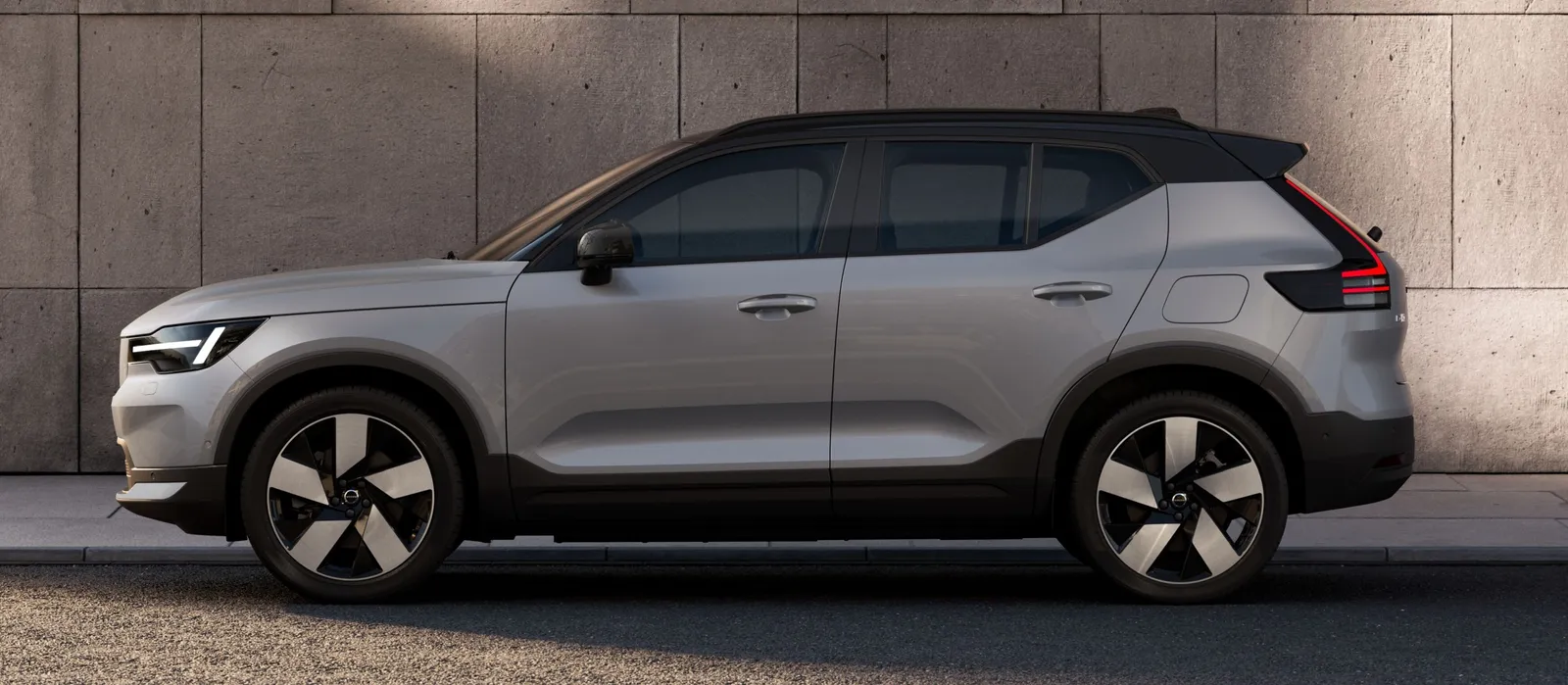
The changes that are immediately apparent are the slightly modified front headlights, which are matrix-adaptive as well. At the back, the shape of the taillights has changed, but the lines that made people love the old Volvo XC60 remain intact (illustration below). Inside, there’s a larger 11.2-inch central screen, still running Android Automotive, now also equipped with Google Gemini’s artificial intelligence assistant. There are numerous updates to the assistants and electronics, including an optional 3D view via 360-degree cameras.
We’re concerned about the rear seat. In previous versions, it was artificially narrowed using recesses for small items at the corners — now this pocket has been moved to the side of the seat, which may mean even less space in the middle. Additionally, the central tunnel seems just as tall as before, meaning the passenger in the middle will still have to sit with their legs apart even in this “fully electric, no combustion engine” EC40 (see the overexposed and overly bright photo below, number 2). Ideally, it shouldn’t be there at all:
Cars already have Polish configuration options and prices: the Volvo EX40 costs from 211,900 złoty (HERE), while the Volvo EC40 starts at 225,900 złoty (HERE) for the smaller battery version.
Article Rating
Reader Ratings
[Total: 3 votes Average: 3.7]
Don’t miss new content — CLICK and FOLLOW Elektrowoz.pl on Google News. You might also be interested in the following ads: