
Volvo: Defining safety for a new, electric era
On the back of its recent 2030 strategy announcement event in Stockholm, it’s fair to say that Volvo is very much back where it belongs.
Brand CEO and president, the returning-now-departing Håkan Samuelsson, confirmed that by 2030, the Swedish carmaker aims to launch 13 all-new cars across its three largest markets, China, North America, and Europe.
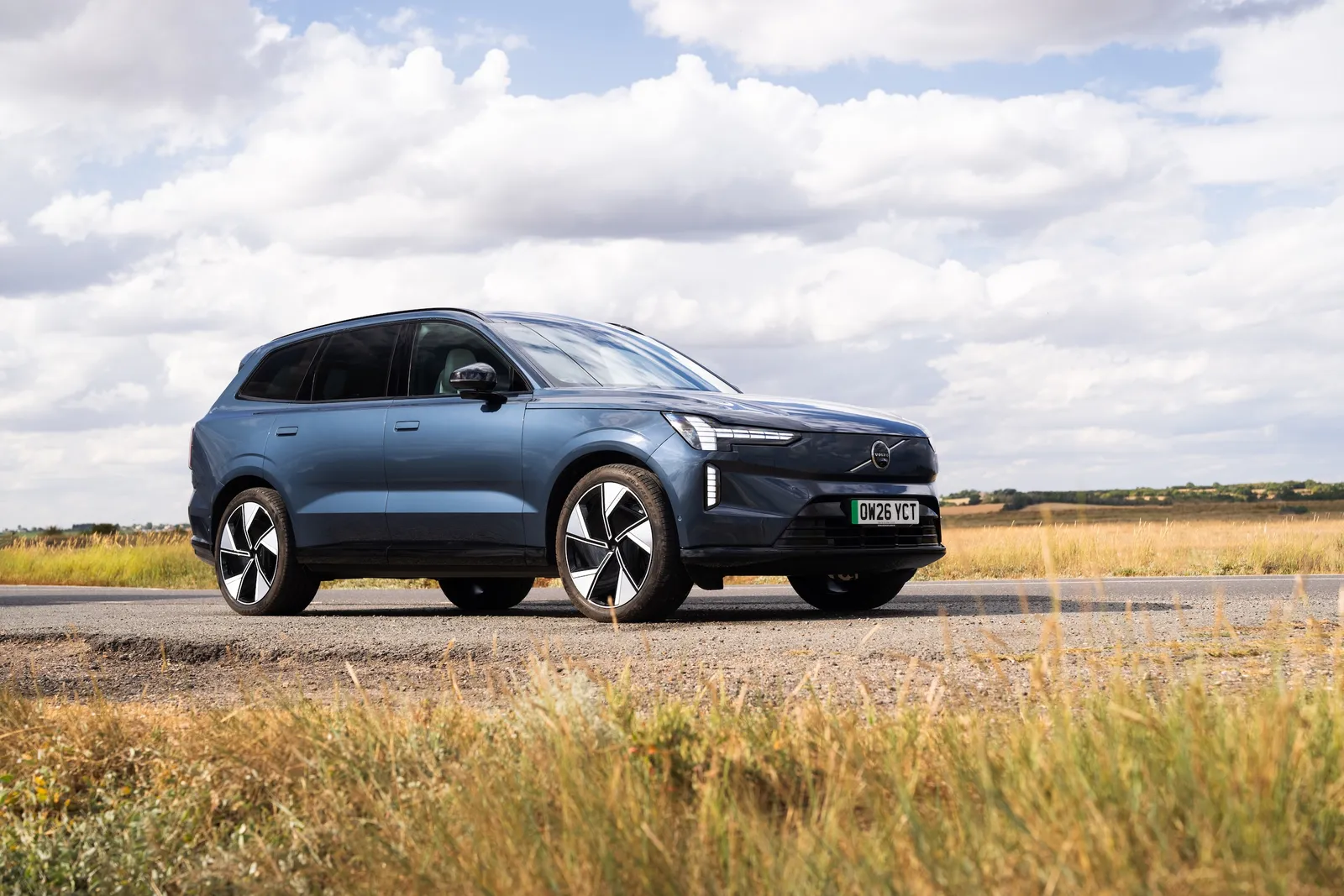
Come the start of the next decade, European Volvo as we know it will be an 90-100% electrified manufacturer, with seven new models coming to join the likes of the critically-acclaimed EX60 and the flagship EX90.
In the spirit of the true ‘Swedish Tiger’, Volvo has kept largely schtum about its future European EV range. This is despite Samuelsson saying that Volvo’s almost-doubled EV line-up will include “high” and “low” bodystyles, hinting that an electrified S60 and XC70 could well be on the cards.
Ahead of the curve: Defining the SDV before it became ‘a thing’
What we do know is that, as ever, safety will be at the heart of what Volvo does, and this will be driven by the brand’s latest vehicle architecture – its scalable, software-defined SPA2 and SPA3 platforms.
SPA2 debuted on the EX90 in 2022, while the EV-specific SPA3, with its broader Superset tech stack and HuginCore central computing system arrived earlier this year with the advent of the EX60.
Volvo is able to futureproof both platforms via over-the-air (OTA) software updates, and however you look at it, Volvo was one of the first manufacturers to develop a software-defined vehicle, before the term ‘SDV’ became trendy in electric car circles.
But as Volvo stands on the cusp of the biggest model offensive in its 99-year history, what does it mean for its primary mindset of automotive and passenger safety?
Safety first: How Volvo uses its past to inform its future
After all, this is a brand with safety at its heart. The Gothenburg carmaker pioneered the three-point seat belt in 1959. Fast-forward to 1972, and it launched the rear-facing, NASA-inspired child safety seat after an eight-year development period.
In 1991, Volvo’s Side Impact Protection System – or SIPS – became standard issue on all cars, as was WHPS, a Whiplash Protection System.
Come the turn of the millennium, the clever people working at Volvo could have rested on their safety laurels. But they didn’t. Volvo invented inner-city autonomous braking in 2008, and in 2020, Volvo capped the top speed of its cars at 112mph, because realistically, why do you need to go any faster?
To discover what lies ahead for Volvo, EV Powered met with Isabelle Stockman, who has been a Volvo safety architect since 2017, to discuss what future EV safety looks like, and how it is rooted in the past.
“All of our cars are developed in accordance with our Volvo Car Safety Standard, and to do that, we set our own standards built around real people, and real-life situations,” explains Stockman.

“For that to be possible and for us to understand why accidents occur and people get injured, we use data we’ve been collecting since 1970. With that data set, we have more than 50,000 accidents in that data set and over 80,000 occupants.
“We continually analyse it and see how we can improve. This holistic approach takes into consideration how to drive the car, what happens in a crash, and also durability. That’s the Volvo Car Safety Standard.”
Real-world applications and continuous learning
As an example, Stockman points to a very specific type of incident – car versus moose. Not a big issue in the UK, but something that is a real-world concern for the Scandinavian motorist.
Using data gathered from real-world collisions dating back to the 1980s, Volvo has designed and redesigned its cars, gauging the real-life effects of changes and constantly working to improve them further, with the aid of its own crash-test moose.
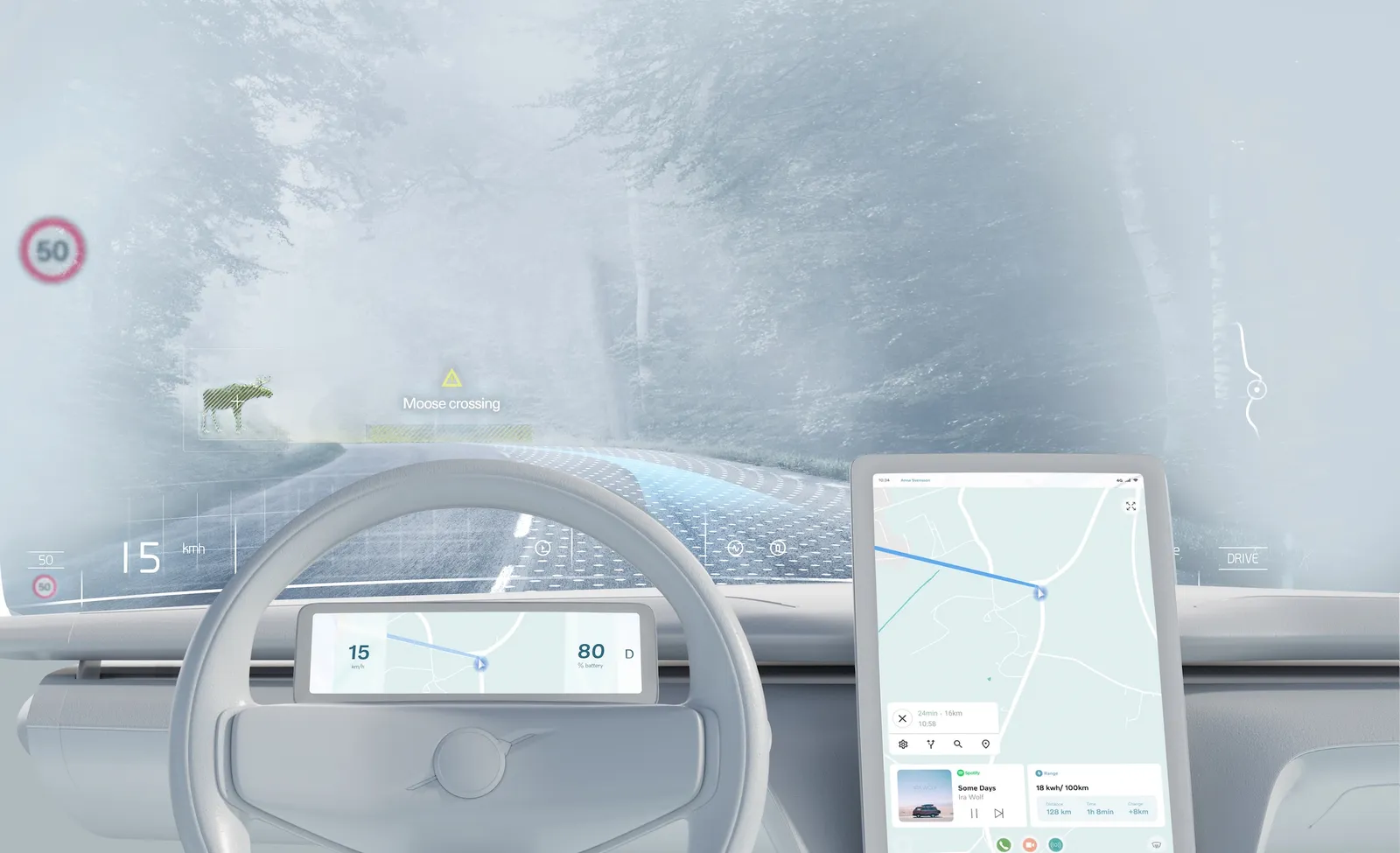
“There are other examples as well,” she adds. “Because we have this data set that we can analyse to understand what’s actually happening, we have several generations of side impact protection where we can see, okay, there is something we see in the data set, the areas where we can improve. We design for that and develop for that. And then you see that the number of injuries goes down.”
And it’s this same six-decades-old database that will inform the next generation of Volvo cars. In Stockman’s words, this life-long learning process ensures that Volvo will “never run out of ideas” when it comes to safety.
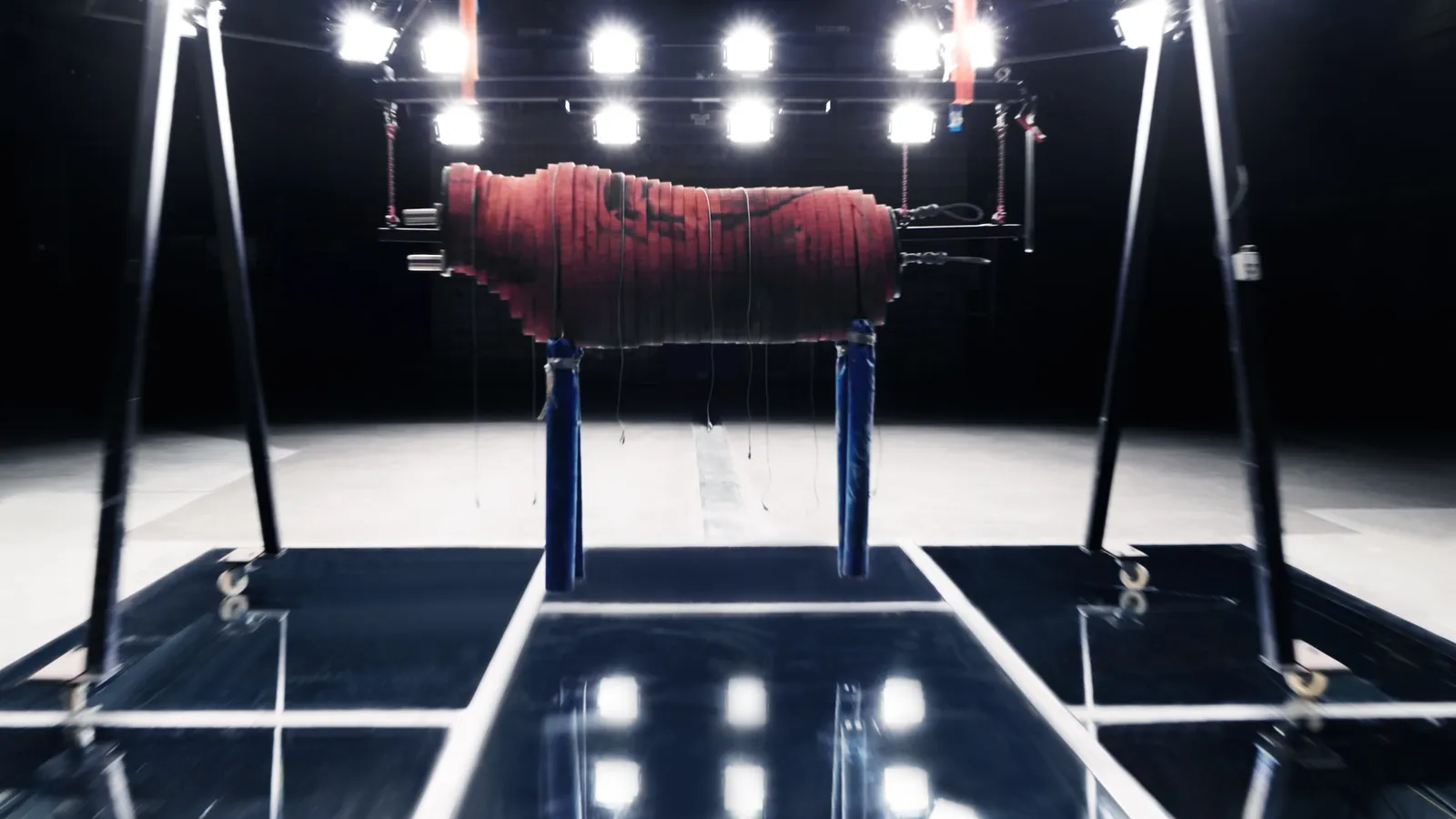
Of course, she’s not going to share specifics of yet-to-be-announced cars or technology, but at the reveal of the new EX40 and XC60, Stockman drew on real-world examples of the Volvo Car Safety Standard in action.
“Let’s start with the EX40, EC40, and XC60,” Stockman says. “They all have a high level of safety to begin with, but the Volvo Car Safety Standard has allowed us to improve the exterior sensors, so we’ve replaced all the cameras, radars, and ultrasonic sensors with new ones, along with the software stack.
“So, this makes us feel like we can take steps to improve functions that were already there, but if we can do that now, we can take them one step further.” She points to the new passer-by alert as a case in point.
“We already have an alert for nearby cars, but now if you try and open the door when there’s a cyclist, a pedestrian, or a scooter coming by who could hit you or the car, you get a warning – all of this is thanks to the upgraded sensor set, which we can upgrade not just today, but over time using OTA updates. By doing this, we can close the gaps in the capabilities of our SPA platforms.”
The most important invention since the three-point safety belt
While safety is Stockman’s speciality, it is also the responsibility of everyone within the company.
“Putting a car together from start to finish is a difficult job, so we need everyone in our different departments working together,” she highlights. “I really like this way of working, because this level of diversity throws up all sorts of situations.
“Using the data set I just told you about, it looks at people of all genders and body types,” she explains. “There is no gender difference in our safety systems, because they’ve been designed with a human-centric approach. They work regardless of who you are.”
It’s this human-centric approach that led to the creation of Volvo’s multi-adaptive safety belt, which it introduced with the EX60. Using the Volvo Cars Safety Standard parameters, the seatbelt adapts to the occupant’s body shape and size.
The AI-driven system takes real-time data from interior and exterior sensors, which it adapts to an occupant’s individual height, weight, body shape, and seating position. In the event of a serious crash, a larger occupant will receive a higher belt load to reduce the risk of head injury, while a smaller occupant in a milder crash will benefit from a lower belt load setting to reduce the risk of rib fractures.
Volvo believes this is its most important piece of safety innovation since the three-point safety belt, which has saved over a million lives over the last 67 years.
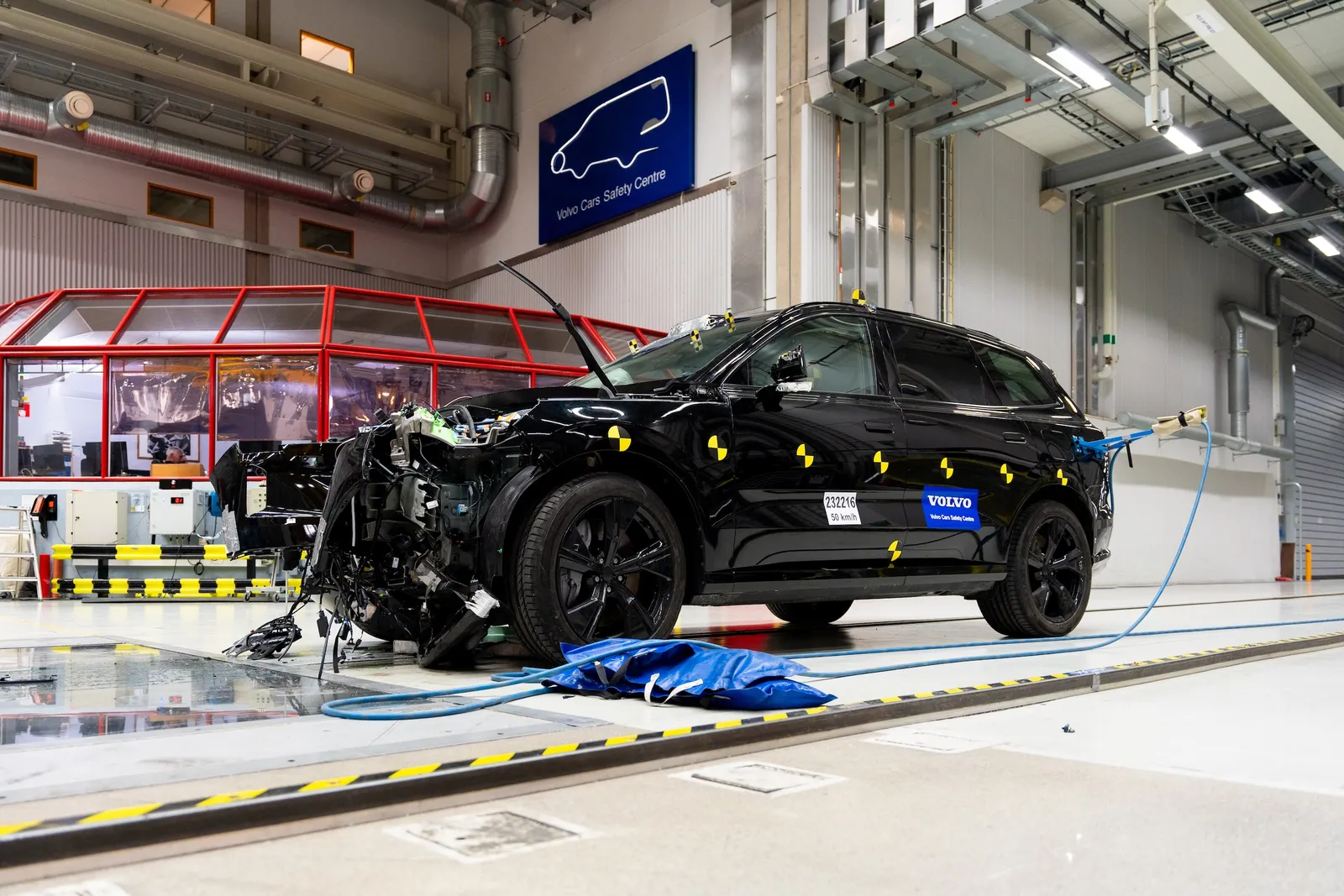
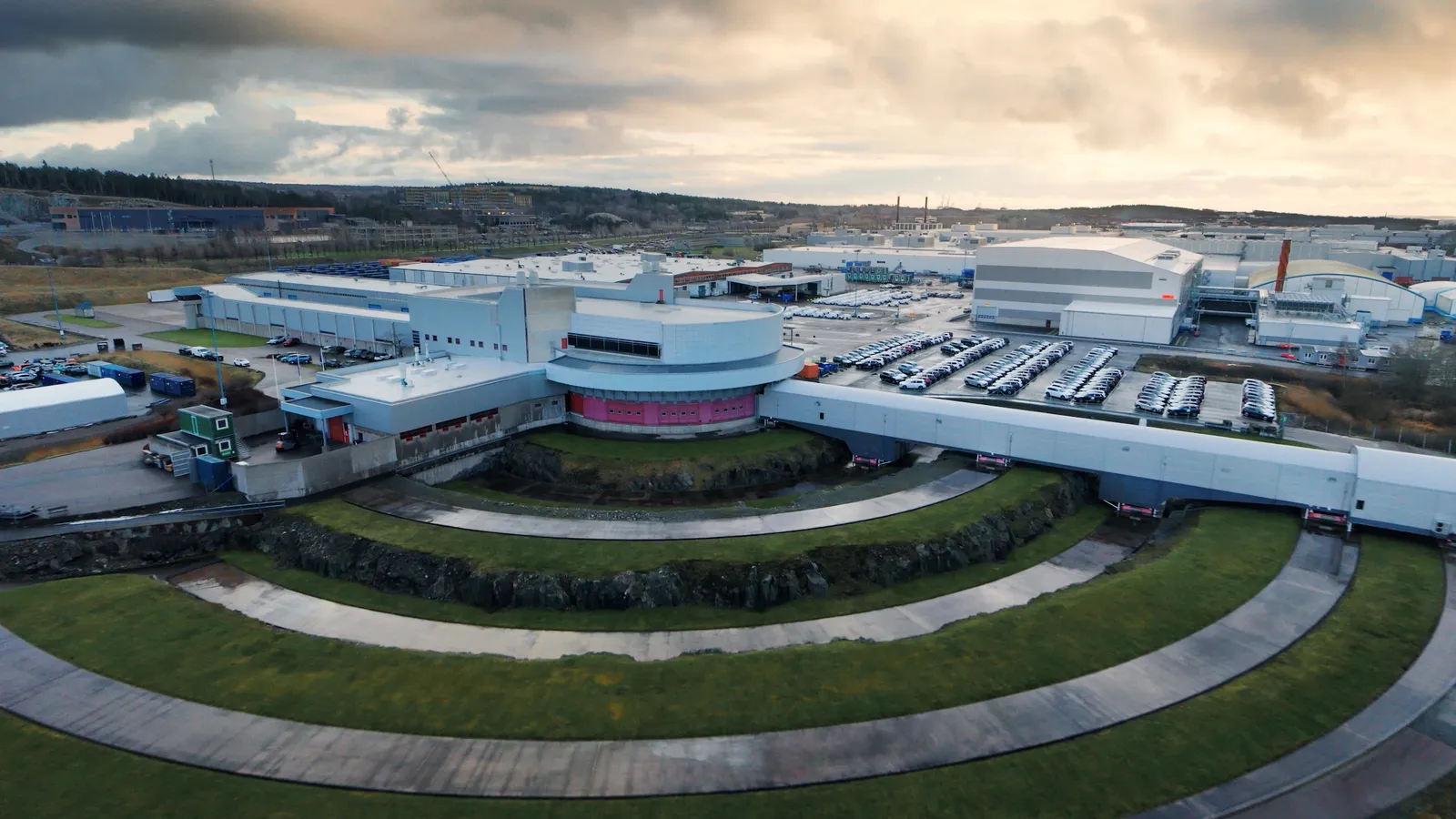
Meanwhile, Stockman and her colleagues at the Volvo Cars Safety Centre in Gothenburg will continue innovating long into the future.
I don’t know about you, but there’s something deeply comforting in knowing that there’s 60 years of safety data ingrained into your car’s chassis and by default, its DNA.