
Volvo boss confident of EX60 success despite early production delays
News
Supply lagging behind demand for new premium SUV as newly-upgraded Torslanda plant struggles with battery assenbly
GE
George East
27 October 2026 · 3 min read
Volvo boss Håkan Samuelsson has said early EX60 production delays won’t stop the all-new SUV from becoming one of the brand’s biggest successes.
The Swedish brand has already taken 50,000 orders across Europe for it BMW iX3 rival, but supply has been hit by delays at the Torslanda factory.
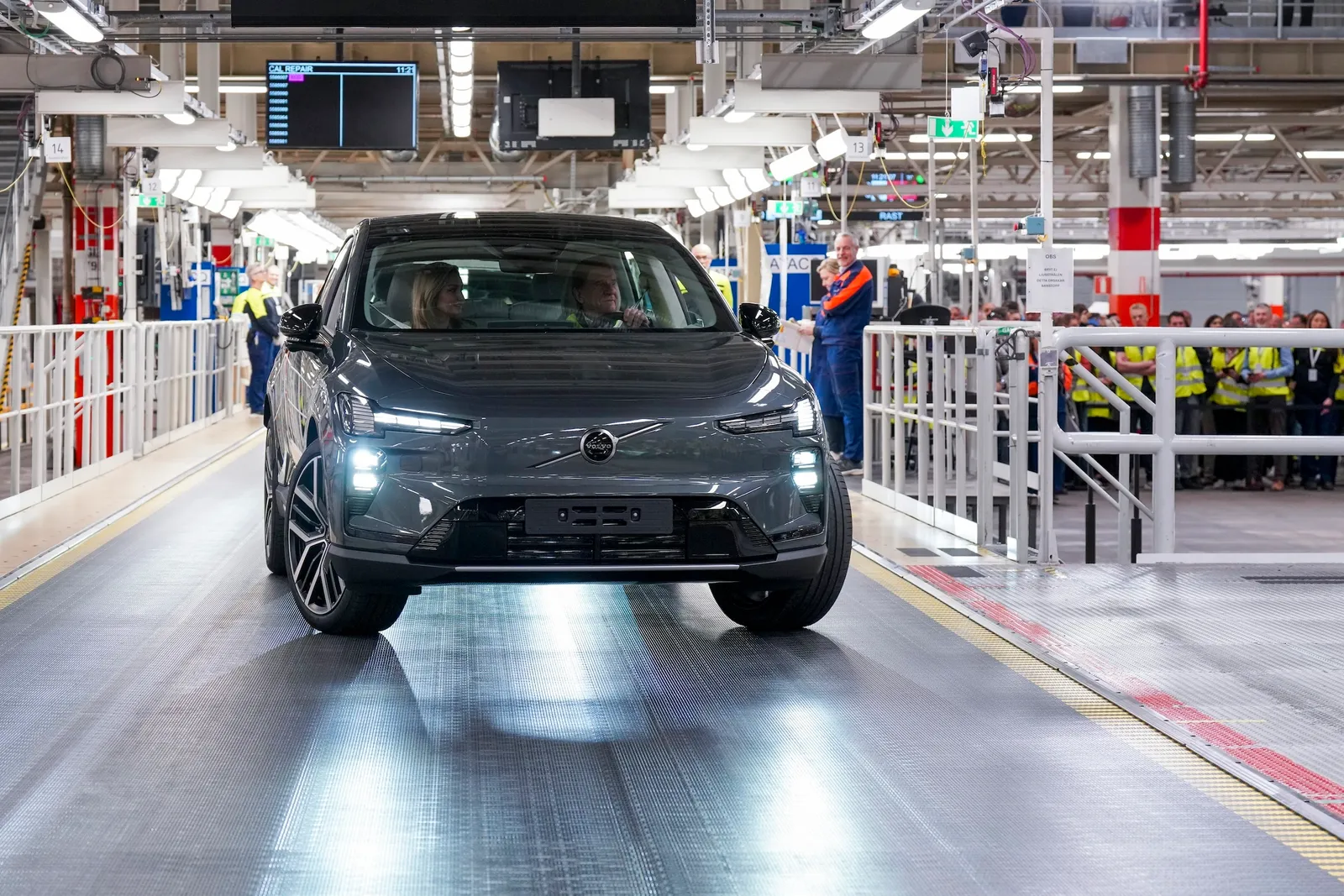
Volvo has spent some £750 million upgrading its historic Swedish factory to manufacture SPA3-based cars including the EX60. However, modernising the plant has caused EX60 production to lag since it began in April this year.
Despite taking orders for 50,000 cars, Torslanda has built just 5,000 units since manufacturing started. Volvo cites the EX60’s complex cell-to-body battery packaging as the main reason for the slower-than-expected production.
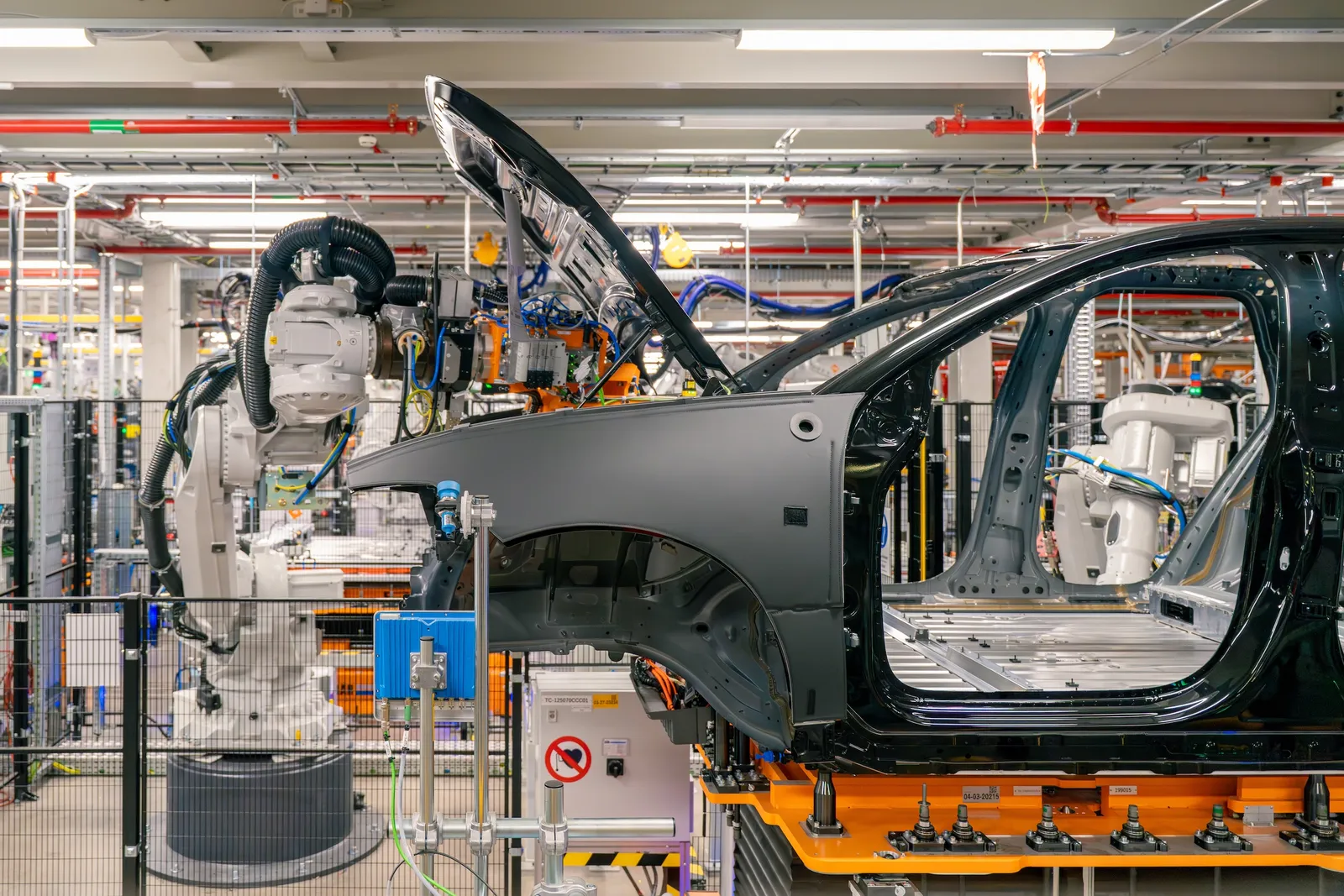
This setup means that its 100 or-so battery cells are introduced to the body in an automated process, rather than a production line worker, and is part of a radical new way of building cars for Volvo.
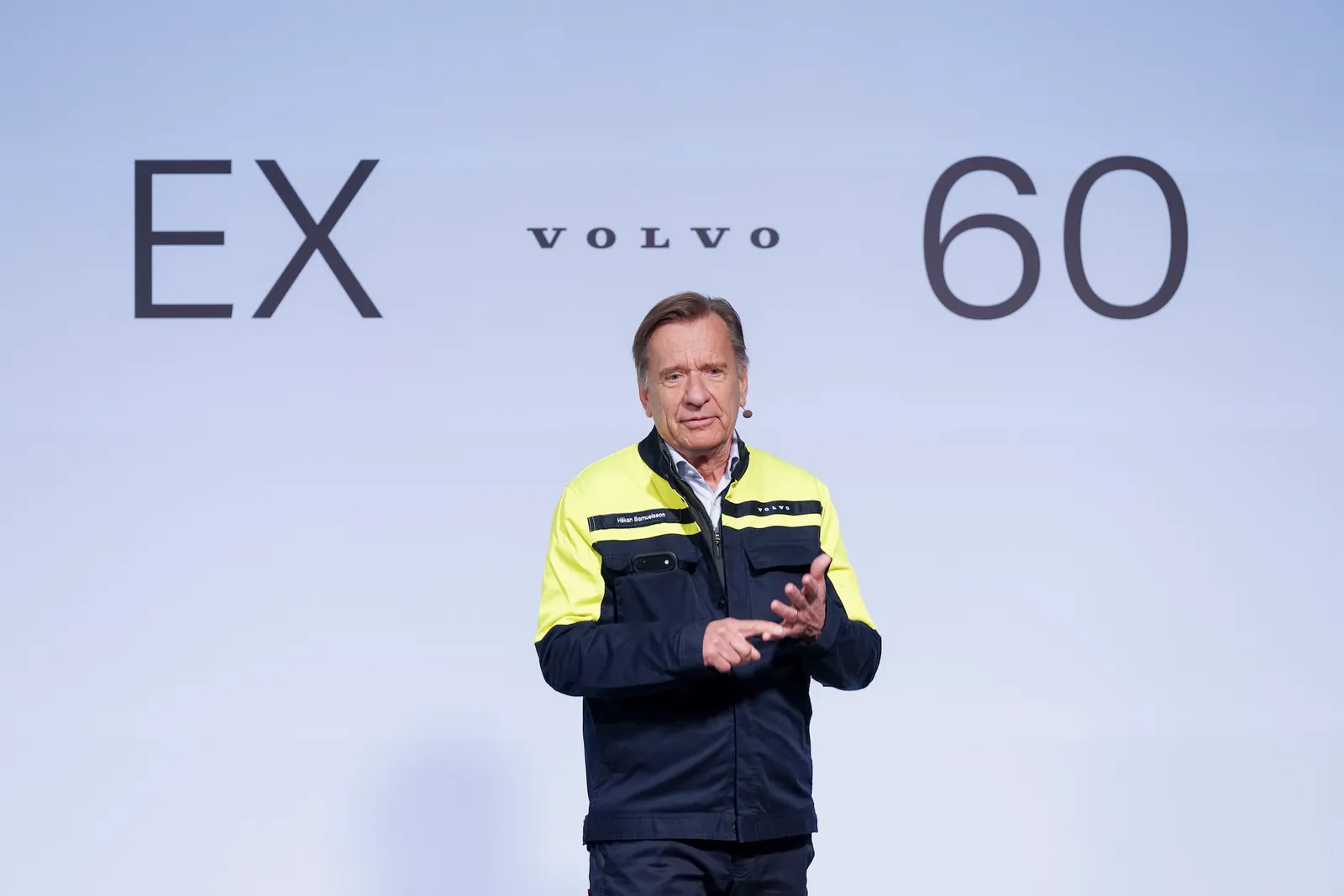
Volvo CEO Hakan Samuelsson at the EX60 start of production event (Image: Volvo)
In contrast, BMW recently announced that it had taken 100,000 orders for the iX3, which launched last October. The all-electric SUV is built at BMW’s facility in Debrecen, Hungary, where production is now running at 24/7 capacity to meet demand.
Despite the issues, Volvo CEO Samuelsson, said he was “quite confident” that the Swedish carmaker can overcome the difficulties, and deliver on its promise of the EX60 becoming “one of the company’s best profit-contributing models”. He was also quick to bat away any suggestions that Gothenburg’s latest was encountering software issues akin to those that affected early EX90s.
“If you want to have class-leading new technology, it means a higher risk to implement than continuing with more conventional technology,” he said. “In this new car, its megacasting has caused us no headaches. It is really the assembly of batteries directly into the underbody of the car, which is a highly automated process.”
Launched earlier this year, the EX60 is Volvo’s first model to ride on its radical new SPA3 800V architecture. Designed for electric-only models, SPA3 is a software-defined platform that also adopts a megacasting production method in order to reduce the number of individual bodywork components, along with a battery that’s integrated into the surrounding car’s chassis.
The slower-than-expected production numbers mean that the EX60’s “financial contribution” to Volvo’s fiscal recovery will take longer than expected. This will come as a blow, given Volvo posted a £280m loss in the third quarter of 2026, and announced layoffs of over 2,500 employees.
All of this means that the EX60 won’t be able to boost Gothenburg’s coffers until Torslanda’s output reaches capacity. However, it’s not all bad news – Volvo is still on course to launch 13 new electrified models by 2030, starting next year with what is expected to be branded the EX50.
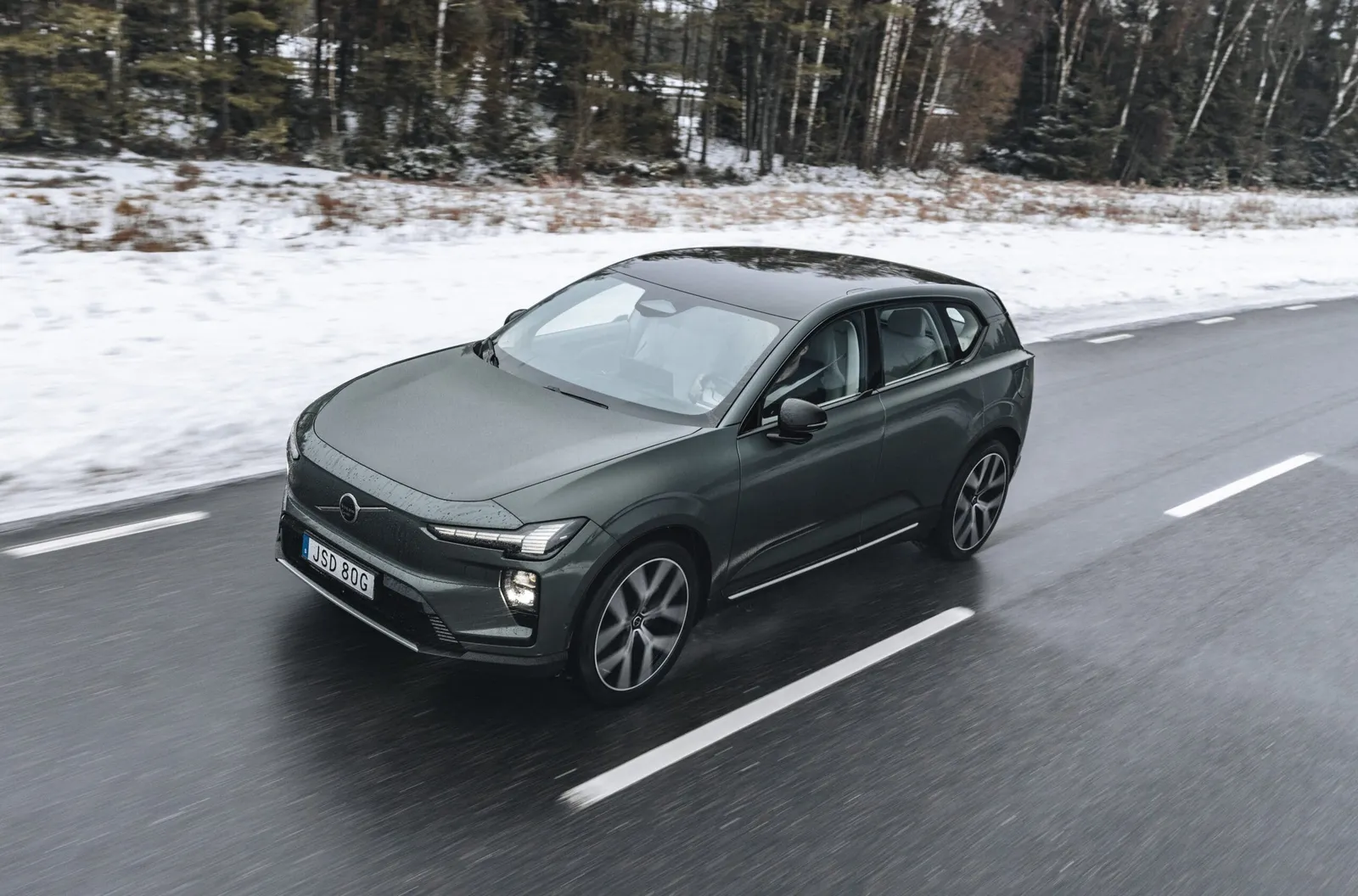
The EX60 on home turf in Sweden (Image: Volvo)