
Volvo announces the largest wave of launches in its history: 13 entirely new cars between 2026 and the end of 2030
17/09/2026 11:00
Updated to
17/09/2026 11:00
Rarely does a century-old brand dare to unveil an ambitious plan like the one Volvo has just presented. The Swedish company has announced the launch of 13 completely new cars between now and the end of 2030, which it describes as the largest and most ambitious product push in its 99-year history. This is no small figure: it means renewing almost the entire lineup in less than a decade.
The announcement comes as part of Volvo Cars’ strategic update in Stockholm, an event aimed at investors and the media where the brand detailed how it plans to develop a lineup better tailored to each region it operates in from now on. The plan includes seven new cars designed for Western markets and six others specifically created for China, a shift that represents a significant change from Volvo’s previous uniform global strategy.
SPA2 and SPA3 platforms as the technical foundation
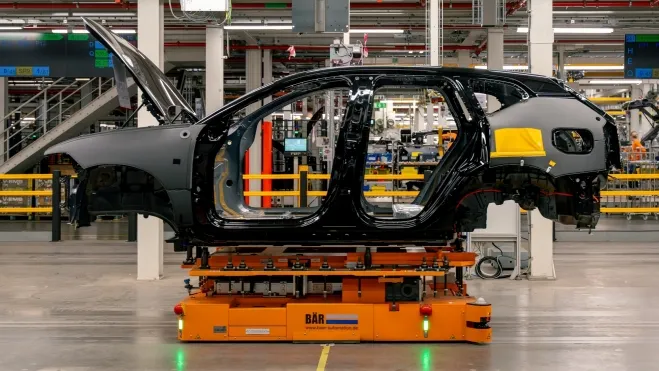
Technically, the new electric and software-defined vehicles aimed at Western markets will be built on the company’s own SPA2 and SPA3 architectures, combined with the HuginCore computing platform, which Volvo describes as industry-leading. According to the brand, relying on this technology shared with Geely will allow it to reduce investments in its technological stack and manufacturing compared to current levels, which is significant at a time when the automotive industry faces increasingly high development costs.
The product plan does not rely on a single path to electrification but rather two approaches running in parallel. On one hand, Volvo aims to expand its presence in the fully electric vehicle (BEV) segment, one of the fastest-growing areas in the market. On the other hand, despite some criticism, the brand will develop third-generation hybrids specifically for customers who are not yet ready to make the full switch to electric cars. This dual strategy seeks to broaden the market Volvo can target, with the stated goal of doubling its market share.
The partnership with Geely, key to competing in China
For the Chinese market, Volvo will rely on its unique partnership with Geely, its parent company, to develop new and electrified vehicles that are highly competitive in that market. The two companies will work together on shared platforms, a technology stack tailored specifically for China, and a common supply chain and parts network, all aimed at developing vehicles more cost-effectively.
The product plan is not limited to updating current models but also includes cars in entirely new segments, expanding the lineup across each of the brand’s three main regions: Europe, the United States, and China. According to Volvo, this will propel the brand into a new era of design and broaden Volvo’s presence in the market. Seven of the 13 new products will be targeted at Western markets, while six will be available exclusively in China.
A new business model, simpler and more transparent
In addition to product updates, Volvo will also introduce a new business model built on simplicity, transparency, and precision. The company promises more transparent pricing, simplified offers, and special fast-delivery versions, along with regular remote software updates (OTA) and a convenient all-inclusive “Care” maintenance package designed to strengthen the relationship between Volvo and its customers throughout the car’s lifetime. In Europe, starting in 2027, Volvo dealers will begin selling Lynk & Co products, another brand under Geely.
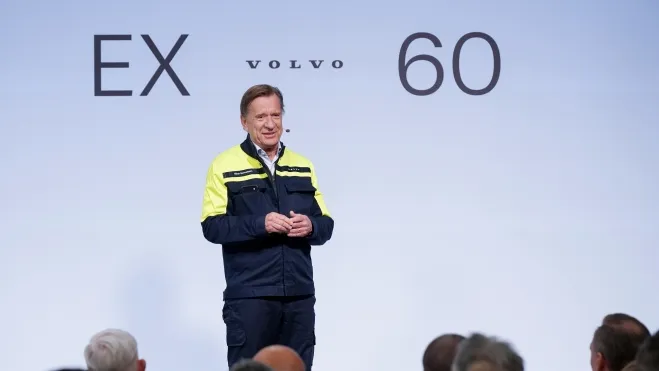
According to Håkan Samuelsson, president and CEO of Volvo Cars, “Our dealerships will look very different by 2030. This is our strongest product plan ever, tailored to regional needs, and it reinforces our ambition to be the leading premium brand.” Samuelsson summarizes the strategy around four pillars: regionally customized product offerings, leadership in electrification, unique synergies with Geely, and comprehensive customer solutions that go beyond just the car itself.