
Volvo and NVIDIA target door-to-door automated driving in future EVs
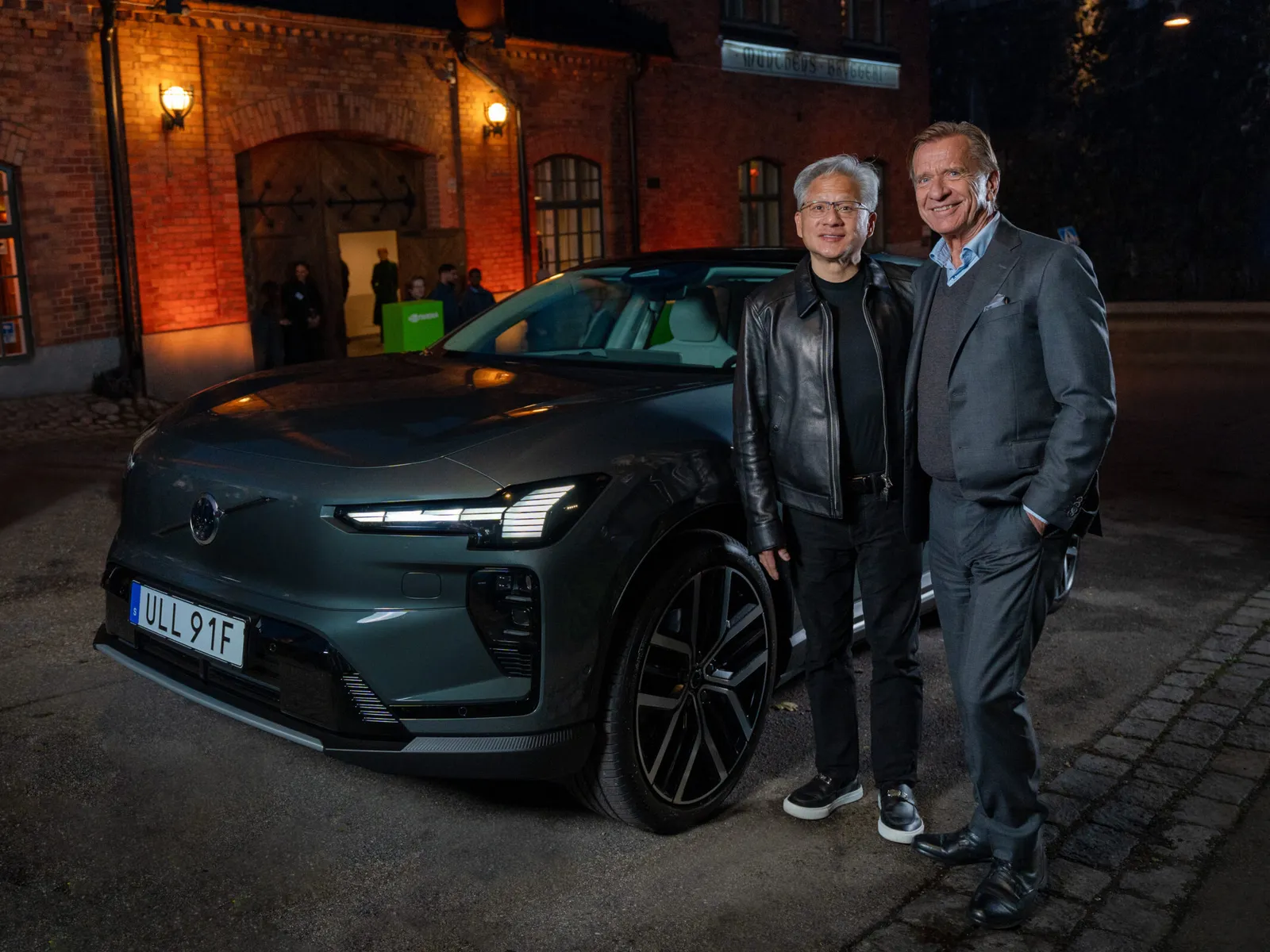
Volvo is planning cars that can handle journeys from door to door, including busy urban streets and parking, through an expanded partnership with NVIDIA. The Swedish manufacturer says the technology will bring a gradual introduction of “eyes-off and mind-off” driving, extending its ambitions beyond systems that help drivers with individual tasks.
Announced on 15 October, the agreement will combine Volvo’s vehicle safety engineering with NVIDIA’s artificial intelligence, driving software and computing technology. The system will make its debut in an unnamed next-generation Volvo, forming part of what the company describes as its largest-ever product push.
However, Volvo has not announced a launch date, identified the first model or confirmed which markets will receive the technology. There are also no details of pricing or the conditions under which drivers would be allowed to stop watching the road. For UK buyers, the announcement establishes a direction rather than an imminent showroom feature.
The ambition is nevertheless substantial. Volvo says future vehicles will be able to navigate complex environments ranging from motorways to urban roads and parking areas. Bringing those situations together would broaden the usefulness of automated driving, potentially allowing a car to manage more of a journey without repeatedly returning control to its driver.
At the centre of the programme is NVIDIA’s Hyperion sensor and compute architecture. Volvo will also use Halos OS and Alpamayo Stack driving software, combining these technologies with its own safety systems and engineering expertise. The announcement covers sensing, computing and software, although the companies have not published a detailed specification.
“Volvo has been synonymous with car safety for almost 100 years,” said Håkan Samuelsson, president and chief executive of Volvo Cars. “By working with NVIDIA, we bring together two distinct strengths: industry-leading safety knowledge and world-class AI technology. That combination gives us a unique opportunity to create safer and more attractive cars for our customers.”
Safety is the central argument behind the partnership. Volvo is presenting automation as a way to make driving easier while building on its established work protecting occupants and other road users. The company says the ambition is to develop technology that is safe, convenient and deserving of customers’ trust.
That emphasis matters because the proposed system would move towards a different relationship between the car and its driver. Helping someone steer or maintain speed still leaves them engaged in driving. Allowing them to look away, or eventually disengage more fully, requires much greater confidence in the vehicle’s ability to manage the situations it encounters.
Volvo’s wording suggests that this transition will happen in stages. Its promise of a “gradual introduction” does not mean the first vehicle will immediately offer unrestricted automation across every road type. Nor does the announcement establish that all the proposed capabilities will be available together when the technology makes its debut.
The distinction between the eventual ambition and the initial product is particularly important here. Door-to-door operation describes the breadth of the programme, but the release does not specify the first system’s operating boundaries. Weather restrictions, supported roads and requirements for driver intervention remain unanswered questions, alongside the timetable for expanding its capabilities.
NVIDIA founder and chief executive Jensen Huang said the collaboration would combine the companies’ respective strengths in computing and vehicle safety.
“Accelerated computing has transformed the car into an intelligent machine that can understand the world around it,” he said. “Volvo has spent nearly a century protecting people on the road. Together, we’re combining Volvo’s extraordinary vehicle safety systems with NVIDIA Hyperion and Halos to build a new generation of cars that make driving safer and more effortless.”
For an automated vehicle, understanding its surroundings is only part of the challenge. It must also choose how to respond, whether that involves negotiating a junction, passing a parked vehicle or stopping for an unexpected obstruction. Volvo’s stated scope brings these different demands into the same development programme, rather than concentrating solely on motorway travel.
Urban streets add particular complexity to that ambition. Pedestrians, cyclists, junctions and vehicles approaching from multiple directions create a different environment from a motorway. Parking introduces another set of close-range manoeuvres. By explicitly including all three settings, Volvo is describing technology intended to reach beyond the relatively predictable stretches of a longer journey.
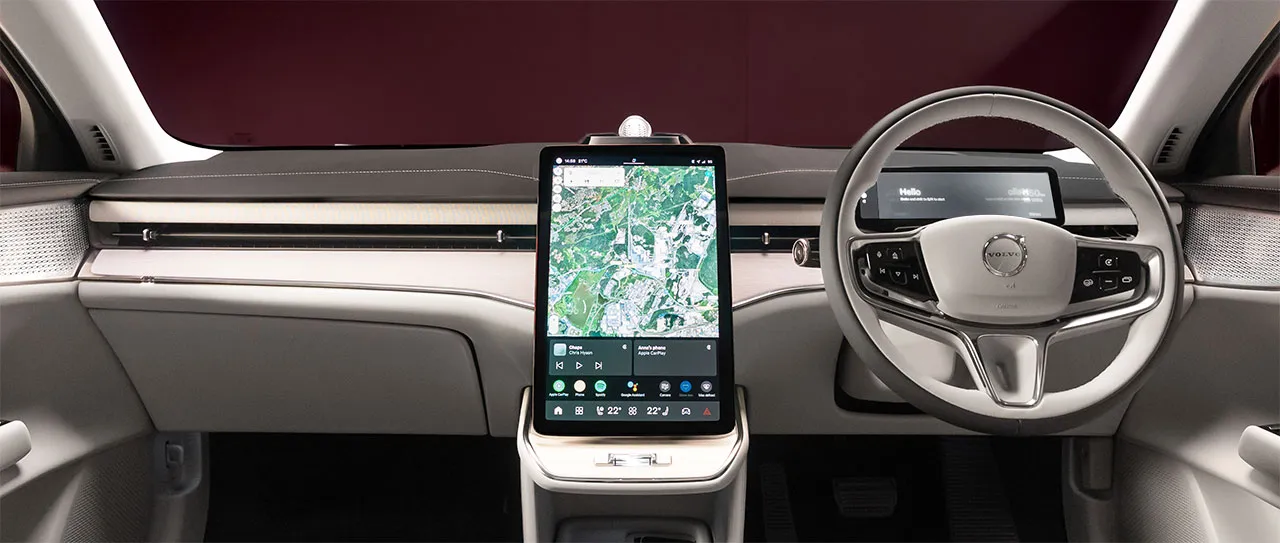
The release does not explain the precise division of development responsibilities between the companies. It identifies NVIDIA’s architecture, operating system and driving software, alongside Volvo’s safety systems and engineering contribution, but gives no breakdown of which functions each will develop or validate. Neither company has disclosed financial terms for the expanded agreement.
The announcement also contains no quantified safety results for the proposed system. There are no published comparisons with human driving, figures for intervention rates or details of the testing programme. Claims that the partnership will make cars safer therefore remain objectives at this stage, rather than outcomes demonstrated by evidence supplied with the announcement.
The collaboration itself is well established. Volvo and NVIDIA began working together in 2017, and the expanded agreement builds on that relationship as Volvo develops its next generation of electric vehicles. The manufacturer describes advanced computing as an important element of its move towards software-defined cars, where software plays an increasingly central role in vehicle functionality.
For EV buyers, this places automated driving alongside the more familiar considerations of range, charging speed and purchase price. Volvo is seeking to make the way a car handles a journey part of its appeal. The practical value will depend on where the technology works and how much responsibility it can reliably assume.
There is no indication in the release that existing Volvo owners will receive these capabilities through an upgrade. The stated debut is in a next-generation car, and the specified sensor and computing architecture makes the eventual hardware requirements an important outstanding detail. Owners should not read the announcement as confirmation of a retrofit programme.
Volvo’s wider business provides the backdrop to the investment. Founded in 1927, the manufacturer sold more than 710,000 cars during 2025, with electrified vehicles accounting for 46% of sales. That electrified figure should not be confused with a battery-electric-only share; the announcement does not provide a separate breakdown of fully electric sales.
The company continues to state an ambition to become a fully electric car maker and achieve net-zero greenhouse gas emissions by 2040. Its expanded NVIDIA partnership adds a parallel technological ambition: electric cars that can take on progressively more of the driving. The next milestone will be a named production vehicle, with defined capabilities, availability and operating limits.