
Fully electric Volvo: from 80-ton trucks to extendable excavators

At Volvo Trucks and Volvo Construction Equipment Global, decisive efforts and investments are being made in the electrification of construction equipment: from heavy-duty trucks to construction machines. The latest development is an 80-ton truck with a trailer, designed to replace diesel even on the most demanding routes. In terms of construction machines, Volvo is testing the new 50-ton electric excavator EC500 on construction sites, capable of operating 24/7 thanks to a continuous cable connection—a 35-meter “extension” that allows the machine to work without needing recharging.
With Volvo Trucks going electric for even the heaviest transport, Italy waits.
The latest model from Volvo Trucks is an electric truck designed specifically for tractor-trailer combinations with a total weight of up to 80 tons. It aims to provide a large loading capacity along with extended range to electrify the most demanding transportation tasks. More cargo, fewer trips equals greater savings.
"We are proud to introduce another excellent zero-emission truck, tailored for extremely heavy loads and long distances. Thanks to its fast charging capabilities, we believe many customers will be interested in this new vehicle," says Jan Hjelmgren, Senior Vice President Product Management at Volvo Trucks.
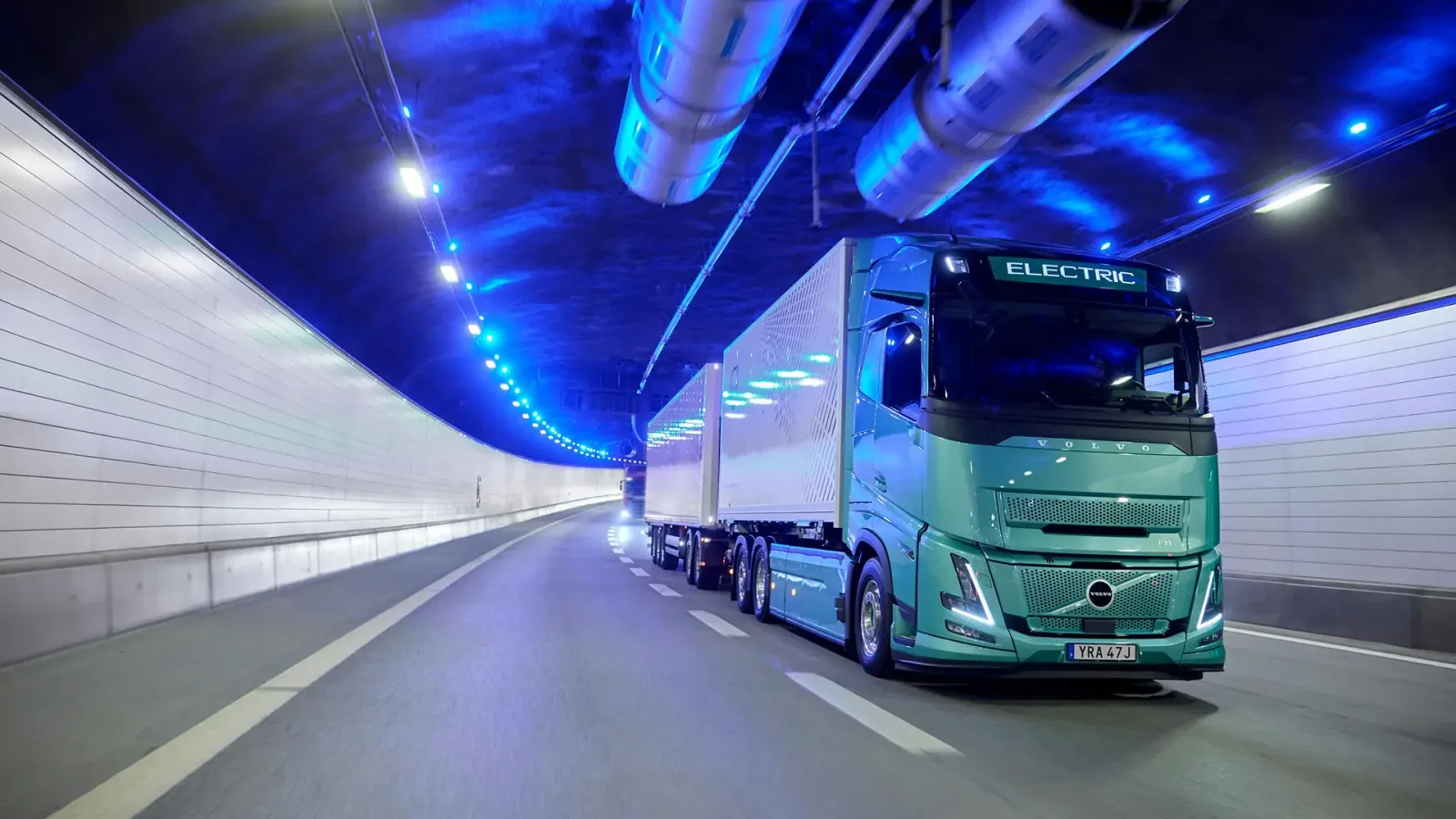
A good news item, even though Italy is not interested at the moment. This new working vehicle was actually designed for markets that handle heavier loads than the European average, particularly a configuration consisting of a rigid truck and a trailer.
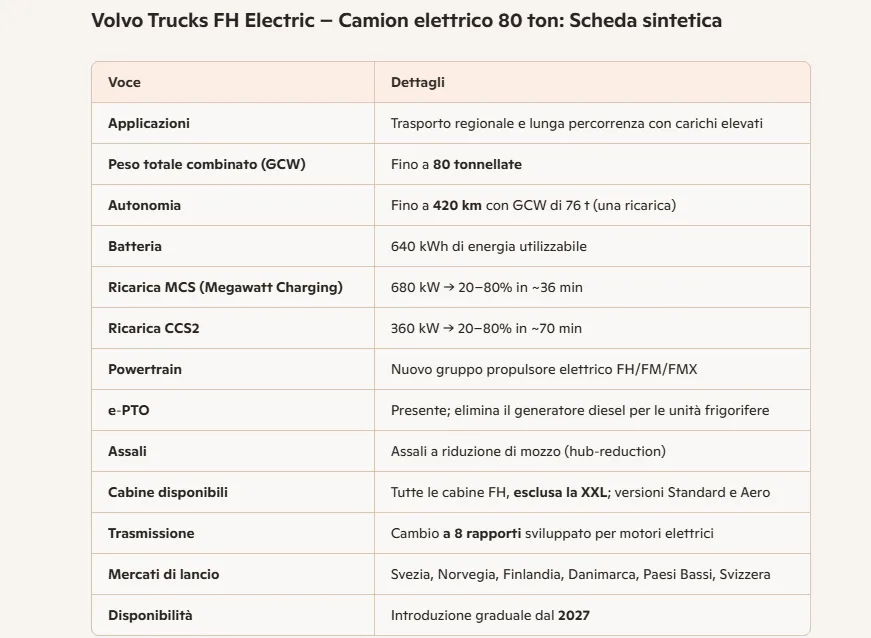
With a combined total weight of 64 tons — common in heavy transport — it can travel up to 450 kilometers on a single charge. With total weights of 74 and 76 tons, allowed in Sweden and Finland respectively, the range is up to 420 kilometers. The difference isn’t significant. Sales will begin in Sweden, Norway, Finland, Denmark, the Netherlands, and Switzerland. The Volvo FH Electric rigid version will be introduced gradually in these markets starting in early 2027.
Electric trucks: Will they be more competitive than diesel trucks in Germany by 2030?
"High total weights in truck transportation reduce both transportation costs and environmental impact. If we electrify these transports as well, we take an important step toward more sustainable mobility," explained Hjelmgren, outlining the logic that more transportation means greater savings and less pollution.
Charged via MCS or CCS2
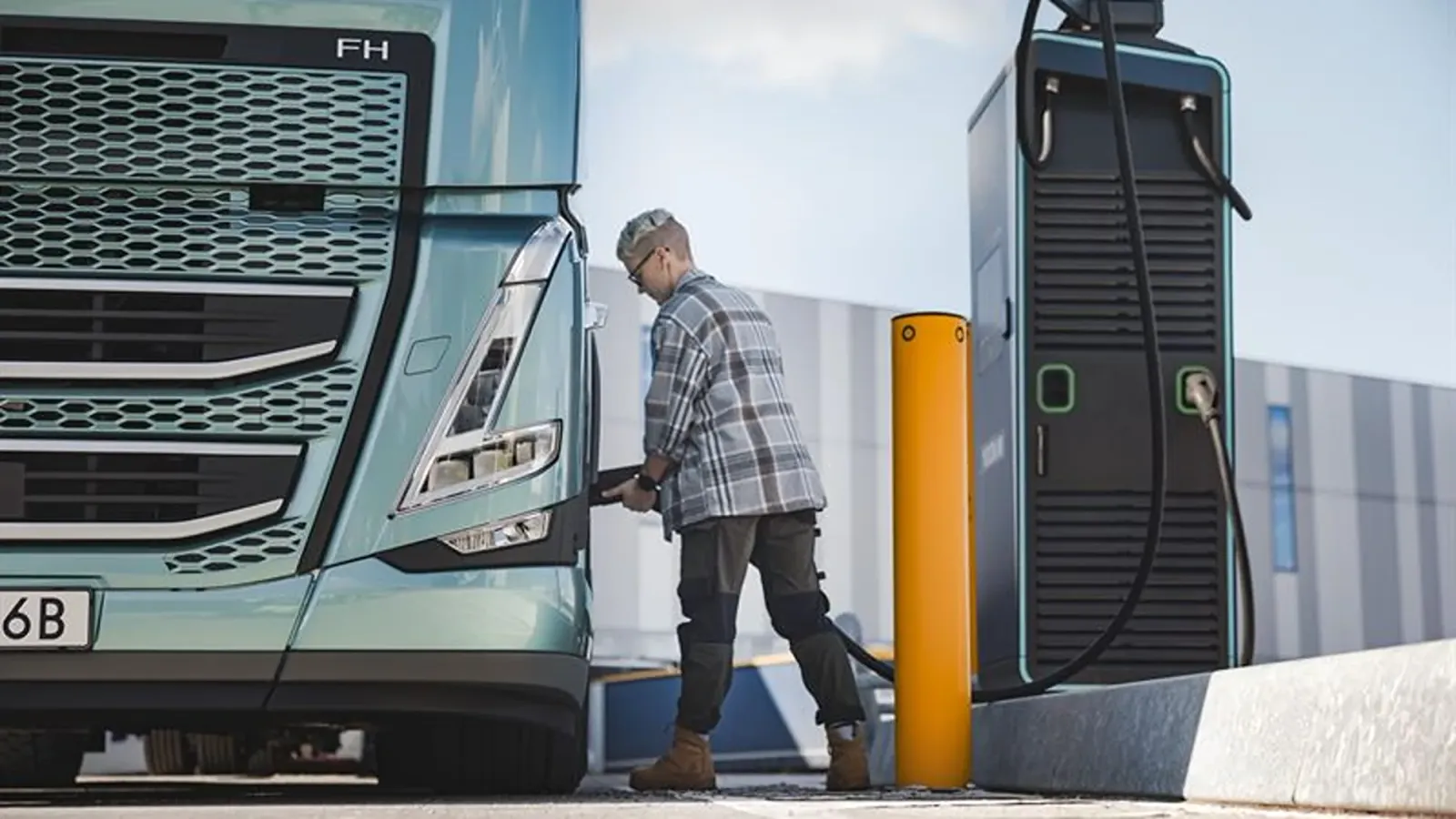
The truck uses the same propulsion system introduced in Volvo Trucks’ new generation of electric FH, FM, and FMX models launched in April. It can be charged through the Megawatt Charging System (MCS) or CCS2. The batteries feature an extended service life and a capacity of 640 kWh. Following its debut in Nordic markets, Volvo has improved the battery monitoring system and developed optimized insulation for cold climates, allowing them to operate more efficiently.
Volvo also introduces axle reducers. These are reinforced axles with an additional reduction in the hubs, providing greater wheel strength, higher load capacity, and improved traction. “Ideal for applications such as road logging or light construction work. It is also advantageous on well-maintained roads, as the higher allowable technical load allows for a greater payload capacity.”
2026: The Year of the New Range
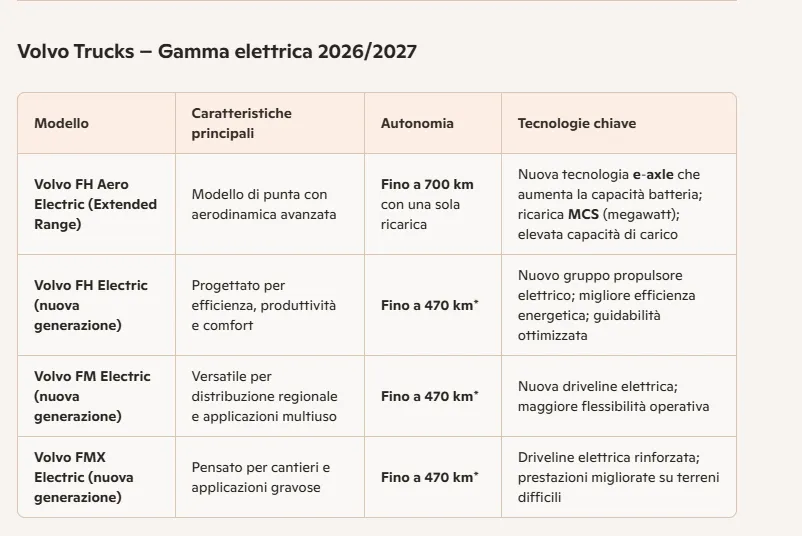
In a statement, Volvo Trucks recalls that in April 2026 it launched its new generation of electric trucks, one of the key features of which is a range of up to 700 kilometers on a single charge. From announcement to road: the first trucks rolled off the assembly line at the Tuve plant in Gothenburg. The Nordic manufacturers are optimistic: “With the new Volvo FH Aero Electric and the new generation electric models Volvo FH, FM, and FMX, electric transportation becomes a viable solution for a significantly larger range of tasks than before.”
"We are turning a revolutionary technology into industrial reality. The start of mass production of our new electric trucks is concrete proof of our commitment to leading the transition toward more sustainable road transportation," says Roger Alm, President of Volvo Trucks. "Customer response has been very positive, with strong interest in ordering the new models. With longer ranges, maximum flexibility across various applications, and excellent handling, switching to electric is easier than ever." The new electric trucks will be produced at Volvo Trucks’ facilities in Tuve (Gothenburg, Sweden) and Ghent (Belgium).
The flagship model of the new range is the Volvo FH Aero Electric, which thanks to the new e-axle technology allows the truck to accommodate a battery with significantly greater capacity, enabling it to travel up to 700 km on a single charge. The new Volvo electric range was unveiled at the international IAA Transportation exhibition in Hannover, Germany.
The 50-tonne Volvo EC500 electric excavator
From the road to construction sites, Volvo has designed the 50-ton electric excavator EC500. The ambitious goal is to match the performance of the diesel EC500. It is currently being tested at various construction sites, in real working environments, to assess potential modifications and improvements. Not in a laboratory, but alongside end-users. “This collaborative approach ensures that the machine is developed not only based on technical considerations,” says Volvo, “but also on the daily needs of customers working in the most demanding applications.”
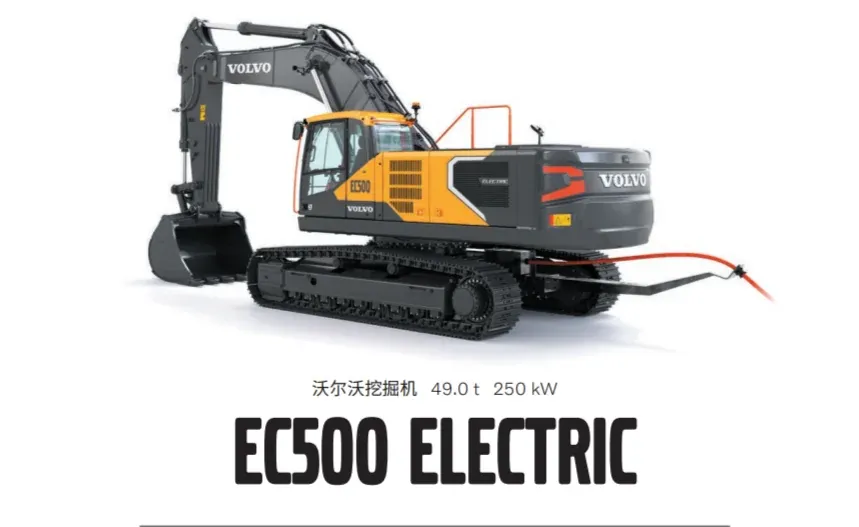
The Volvo EC500 Electric is equipped with a battery that ensures 2 to 3 hours of continuous operation, as well as the ability to work around the clock thanks to a 35-meter power cable that allows the machine to connect to the electrical grid.
Volvo works at night with electric loaders and excavators
This is not new. At a fully electric construction site in Nuremberg, machines are powered by the regular electrical supply available on site (read here). There are ongoing issues related to network connectivity, and to mitigate and resolve these problems, Volvo has developed an electrical system capable of adapting to various grid conditions, based on 400 V.
India has a plan: 100,000 electric heavy vehicles within 5 years
The first EC500 Electric delivered to a customer is currently being used in Norway for a range of demanding applications, such as mining, road construction, and tunnel digging. Various tests are being conducted to address all possible issues before the official launch of the production version, scheduled for spring 2027.
READ ALSO: Cardinali: Italy’s electric car is moving backward. You need an alarm — watch the VIDEO
Previous Article
Restarting nuclear power? “The government’s most important legacy”
Next Article
BikeUP Festival, in Parma on the 19th and 20th — two days dedicated to e-bikes