
Volkswagen is receiving more orders for EVs than internal combustion engine vehicles in Germany. Wolfsburg is falling behind the changes.
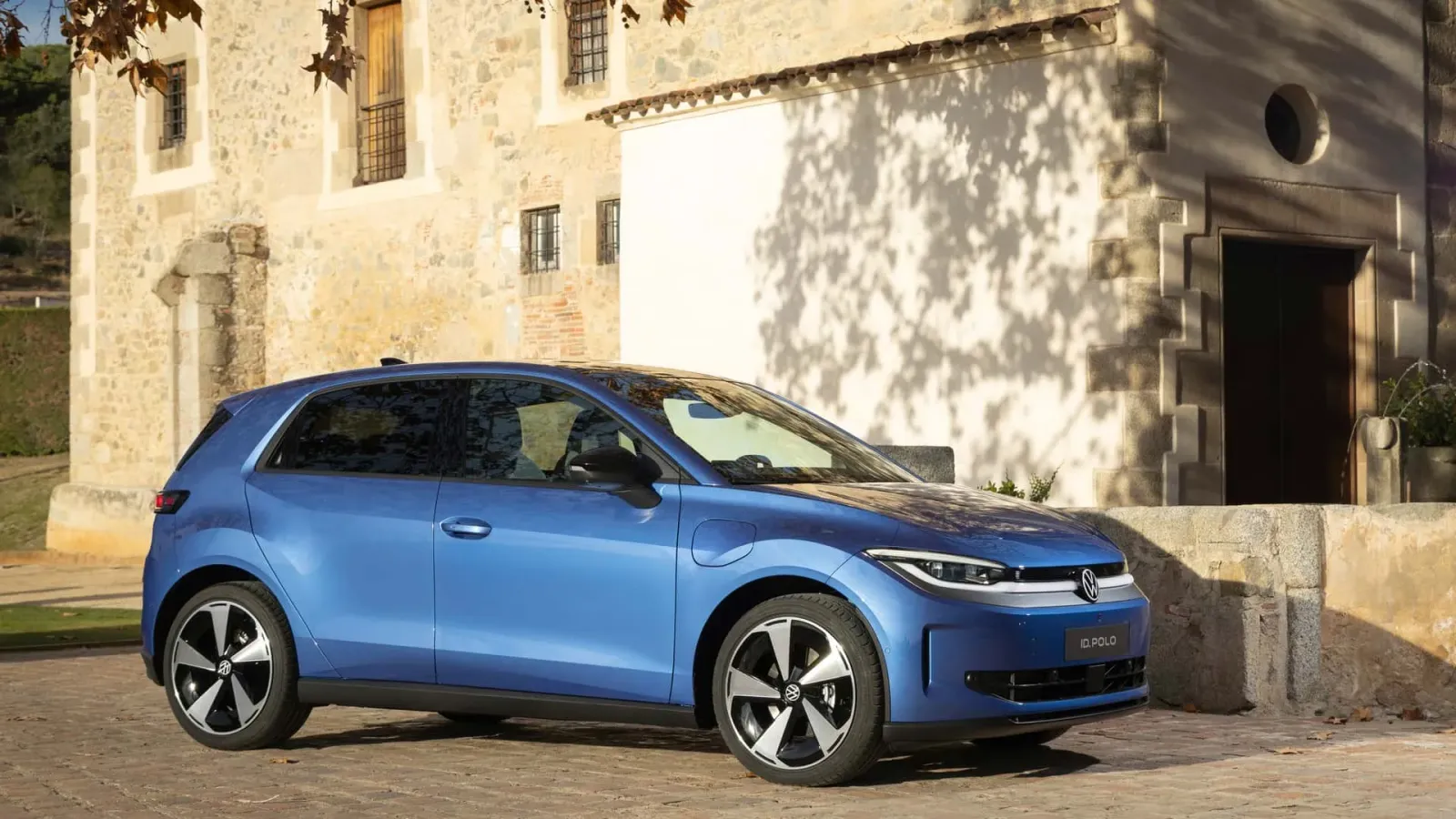
Volkswagen has more new orders for electric cars than for gasoline and diesel models in Germany. In September 2026, the company is responding by adjusting its factory plans: it is limiting further changes at Wolfsburg while increasing production of the ID.7 in Emden and the ID.3 in Zwickau.
This is not simply a statement about more electric cars registered than combustion engines. It refers to the order backlog, which is what determines factory schedules for manufacturers today.
Wolfsburg won’t reach 600,000 cars
As reported by Germany’s Automobilwoche, the Wolfsburg plant was supposed to raise this year’s production from 580,000 to over 600,000 cars through additional changes. However, this plan will be scaled back because sales of the local Golf, Tiguan, and Tayron—combustion engine models—are weaker.
This is a symbolic change. Wolfsburg is Volkswagen’s historic hub and still does not produce electric vehicles from the ID series. As a result, demand is shifting toward models built in other plants, rather than helping to boost utilization at the brand’s most important factory.
In Emden, Volkswagen plans to launch at least two additional production lines for the ID.7, which is available as a liftback and station wagon. Increased production also applies to Zwickau, where the updated ID.3 Neo is being manufactured.
Volkswagen apparently did not expect such a rapid recovery. Rising gasoline and diesel prices have helped electric vehicles, but fuel prices alone are not enough. Germany is now seeing more electric cars that don’t look like expensive technology demonstrators.
The ID. Polo has 40,000 orders, but profits remain strained.
The strongest point of the new lineup is expected to be the ID. Polo. Volkswagen has received over 40,000 orders for this model, with technically related models such as the Cupra Raval, Skoda Epiq, and Volkswagen ID. Cross adding another 60,000 orders. In total, this amounts to more than 100,000 customer commitments for the urban electric vehicle family.
There is one catch for German manufacturers. All four vehicles will be produced at two plants in Spain. A German customer orders a Volkswagen EV, but the production doesn’t automatically go to Wolfsburg.
Volkswagen hopes these models offer a sensible balance between range, charging capabilities, equipment, and price. This is precisely the segment the brand has long needed. The ID. Polo is intended to be a response to the Renault 5, rather than just another car that requires price cuts to sell.
The company still faces profitability issues. Electric Volkwagens earn less than comparable gasoline cars, so an increase in orders does not automatically mean financial relief. The even smaller ID. up! is supposed to help, likely being the brand’s cheapest electric vehicle for Europe.
Volkswagen has won over demand, but it now must prove it can profit from it. Is the ID. Polo a viable electric alternative to the Renault 5 for you?
LovEV Newsletter
Want more content like this?
Sign up — we’ll send you a weekly summary once the newsletter starts.