
Volkswagen is forming a partnership with Chinese company Gotion. Production of cathode materials and LFP cells in Europe and Africa
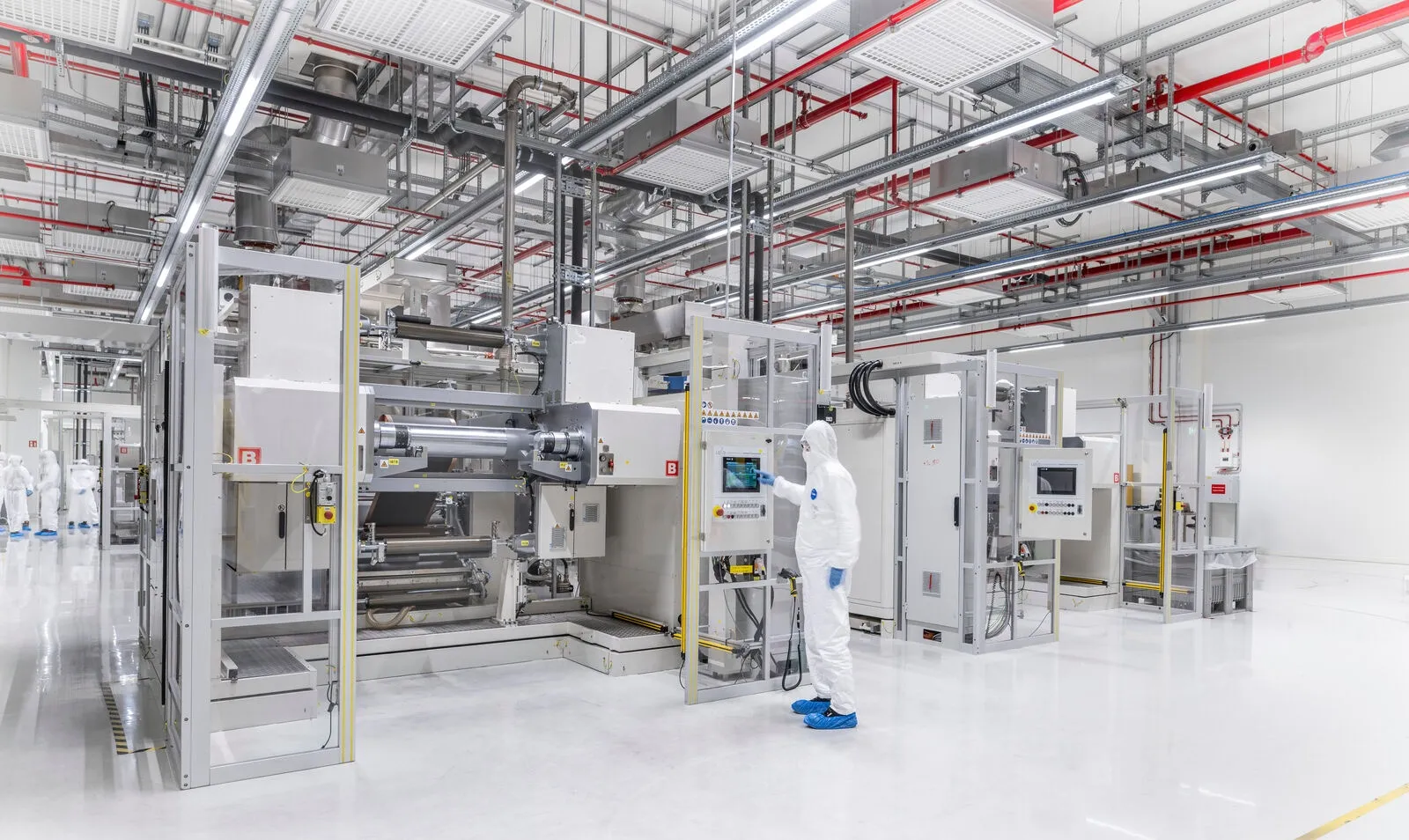
Another piece in the puzzle regarding LFP batteries. The Volkswagen Group announced that it is deepening its strategic partnership with Chinese LFP cell supplier Gotion High-tech, along with its own subsidiary PowerCo, to establish local production of cathode materials and LFP cells. Three joint ventures will operate three manufacturing plants: two in Europe (Valencia, Spain; Šurany, Slovakia), and one in Al-Kunajtir (Morocco, Africa).
Volkswagen Group with its own LFP raw materials and cells
In July 2026, China began strictly controlling the export of cathode materials and, in general, raw materials and technologies related to the latest LFP cells. It seems that restrictions were imposed so tightly that today the only way to obtain such raw materials is by buying… ready-made cells from CATL or BYD. This somewhat confirms the recent partnership announced between Volkswagen and Gotion High-tech.
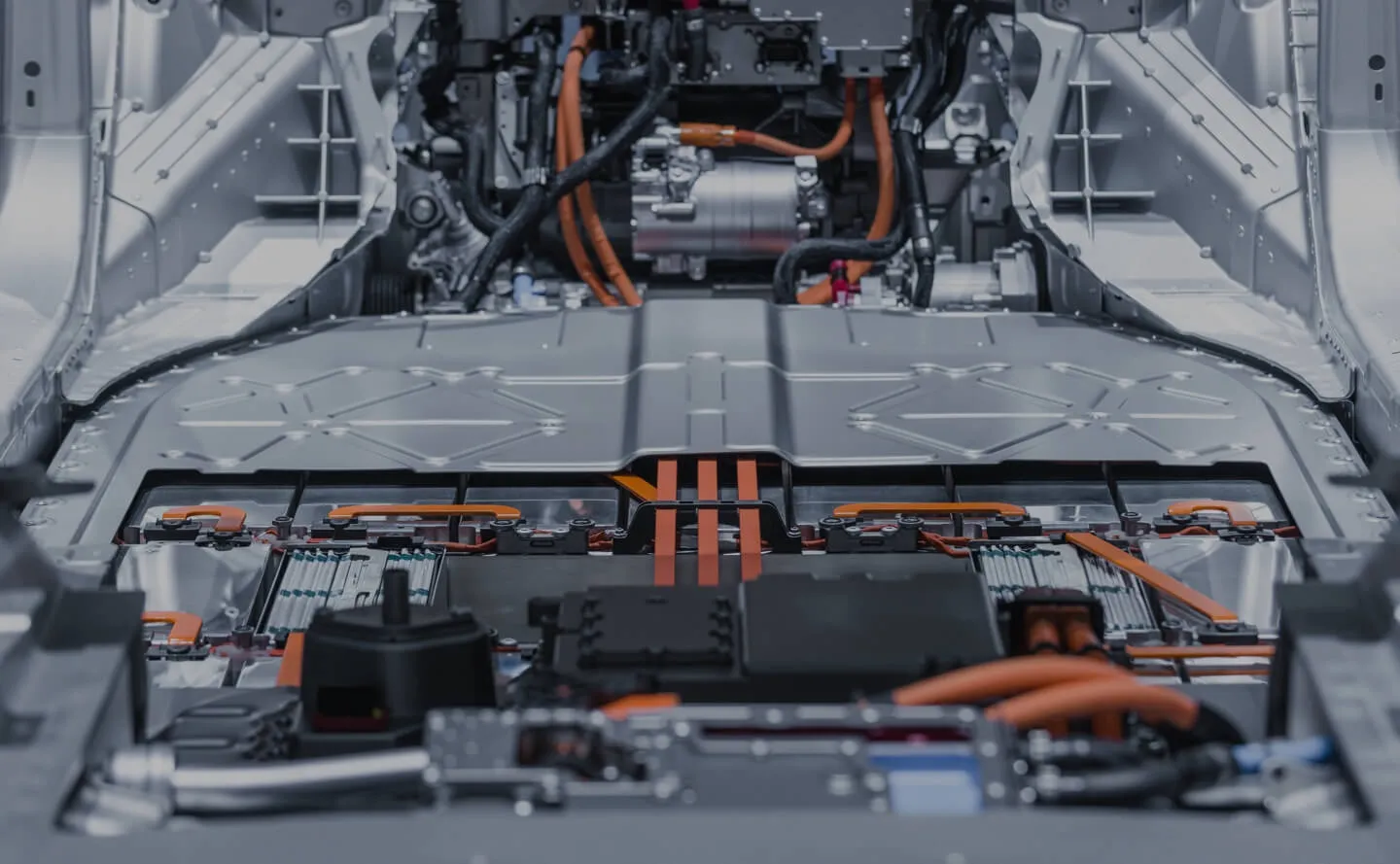
Gotion High-tech battery factory; illustrative image (c) Gotion
According to Volkswagen Group, the share of LFP cells in the [electric vehicle] market is set to rise in Europe from the current 10 percent to 40-60 percent by 2030. This is not surprising, as they are cheaper to produce, degrade more slowly, can be charged faster, and the latest LMFP variants offer energy densities similar to those of older high-nickel cathode cells (Li-NCM) — the ones still powering electric vehicles in the West. From a European perspective, their main drawback is the lack of factories on the Old Continent. Everything is either controlled by Chinese companies (such as CATL) or produced on a small scale (such as LG Energy Solution near Wrocław).
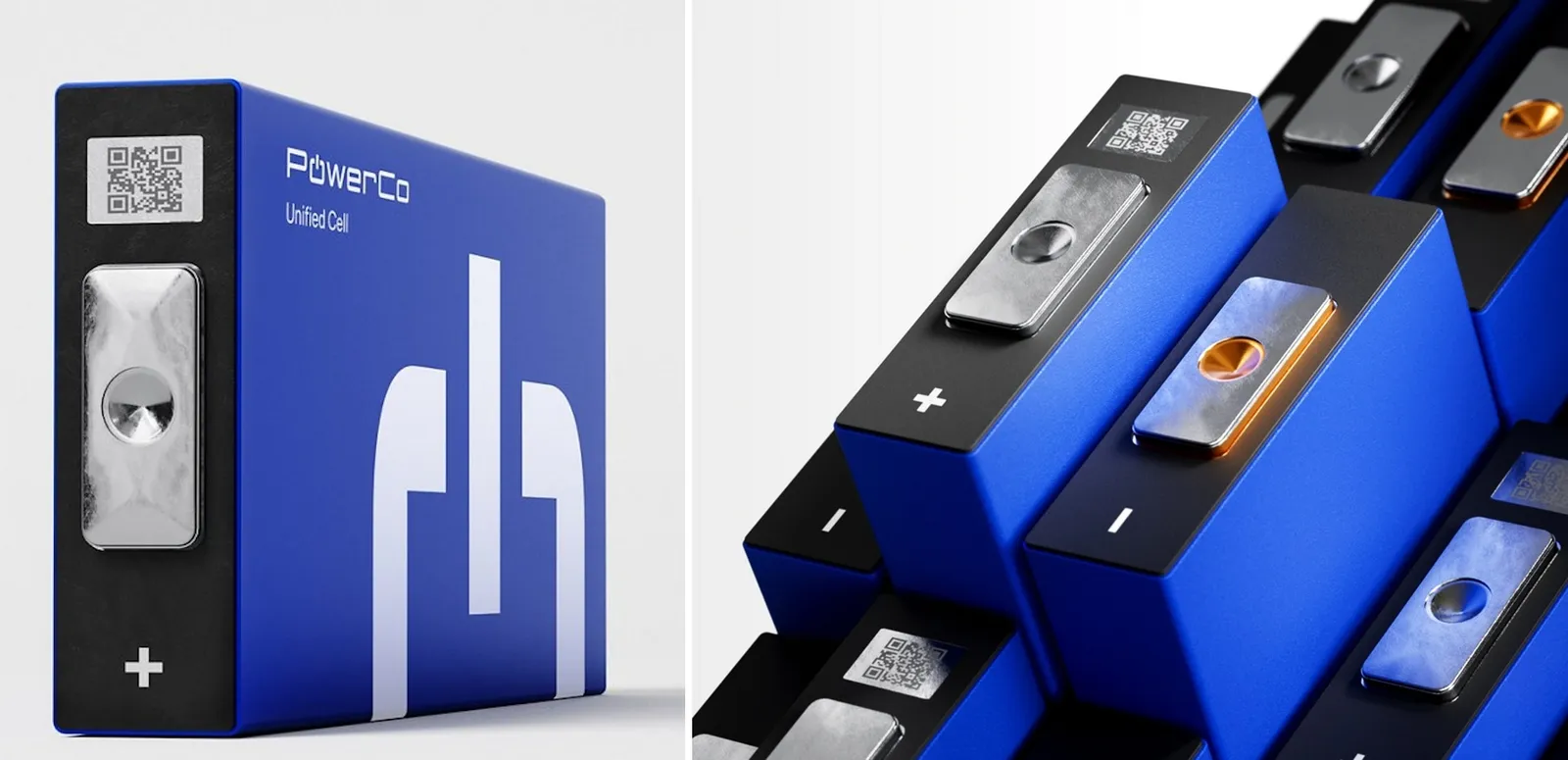
PowerCo’s unified cells are prismatic cells that, in enclosures of the same size, can use LFP, Li-NCM, or even solid-state chemistry (c) PowerCo / Volkswagen Group
According to reports, Volkswagen is set to become the first European automaker to have full control over its battery supply chain—from cathode material development to battery production. The plant in Spain will manufacture LFP cells, with Gotion acquiring 49 percent of its shares; PowerCo will retain 51 percent. Valencia is intended to become Europe’s production hub for PowerCo’s unified LFP cells. The factory in Slovakia will be 49 percent owned by PowerCo, but Gotion will hold the controlling stake. The same will apply to the facility in Morocco, which will produce cathode materials with 51 percent of its shares remaining in Gotion’s hands.
Purchasing 49 percent of the shares in factories in Slovakia and Morocco is set to cost Volkswagen Group (i.e., PowerCo) 470 million euros, equivalent to 2.06 billion zlotys. Meanwhile, Gotion plans to invest 1.1 billion euros, equivalent to 4.8 billion zlotys, in a plant in Spain. In return, Volkswagen will divest 5.3 percent of its shares in the Chinese company Gotion.
Li-ion battery production line (c) Volkswagen Group
Editor’s note from Elektrowozu: Could it be that the cheapest versions of cars based on the MEB+ platform will be available in limited quantities and with delays of not just two years but three to four years?
Article rating
Readers’ ratings
[Total: 3 votes Average: 5]
Don’t miss new content — CLICK and FOLLOW Elektrowoz.pl on Google News. You might also be interested in the following ads: