
Volkswagen surprised by EV success, cutting ICE production. Will all factories survive?
In short:
Volkswagen is seeing more orders for battery-powered cars than for gasoline models in its home market
This is forcing production changes at the German giant’s factories
The German automotive giant must adapt its production structure to new demand realities
Paradoxically, this raises questions about the profitability of the business and the utilization of factory capacity
Volkswagen: “Electric cars” are changing the balance of power at German factories
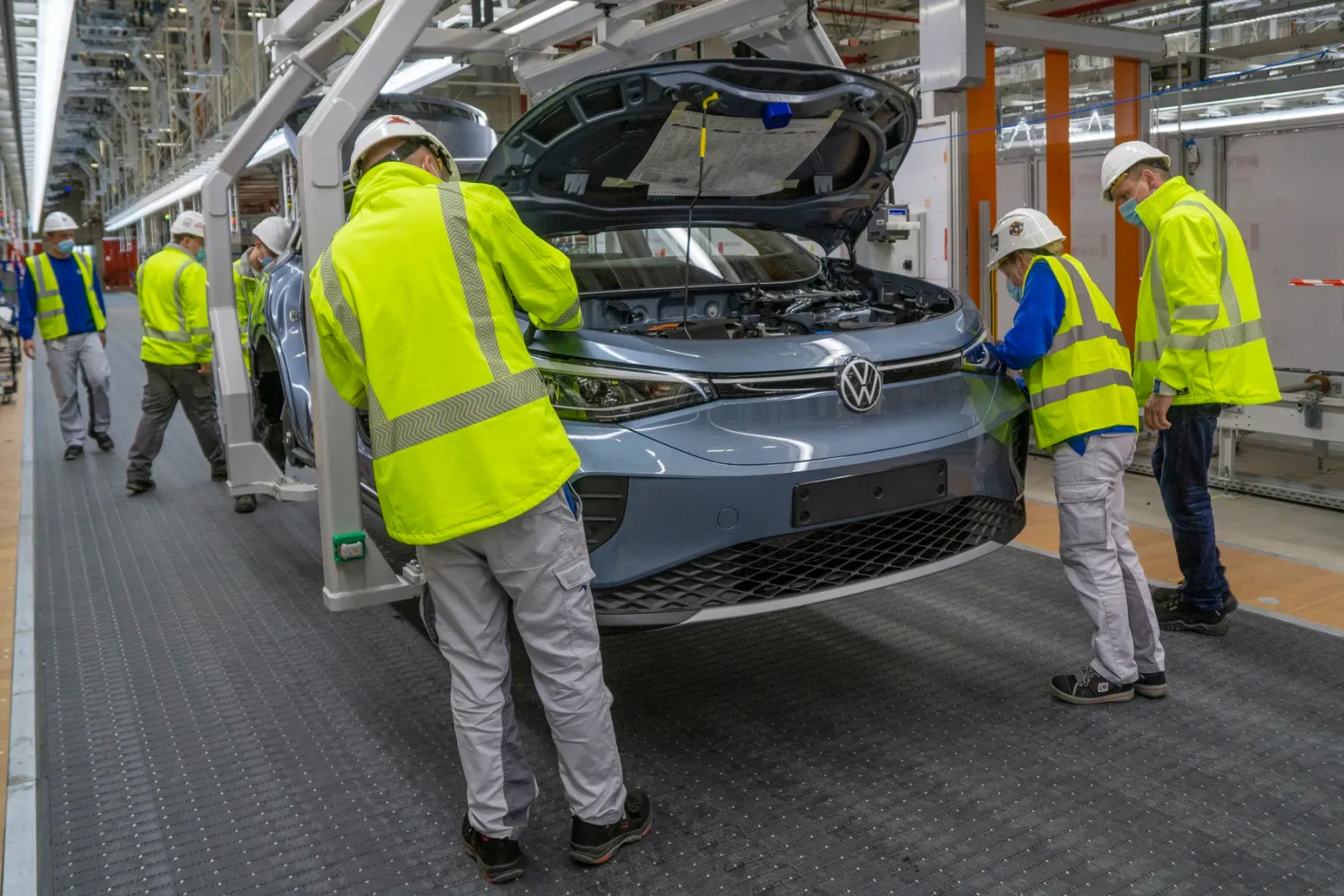
The largest German automotive company can speak of real acceleration in electrification for the first time in many years. According to German media, the company is changing its production plans for this year because demand for electric cars is growing faster than expected. The effects of this change are already visible in the manufacturing plants.
According to reports from “Automobilwoche,” Volkswagen has abandoned plans for additional production changes for gasoline-powered models at its main plant in Wolfsburg. As a result, the facility is set to end the year with production at around 580,000 vehicles, instead of exceeding the previously targeted figure of 600,000 units.
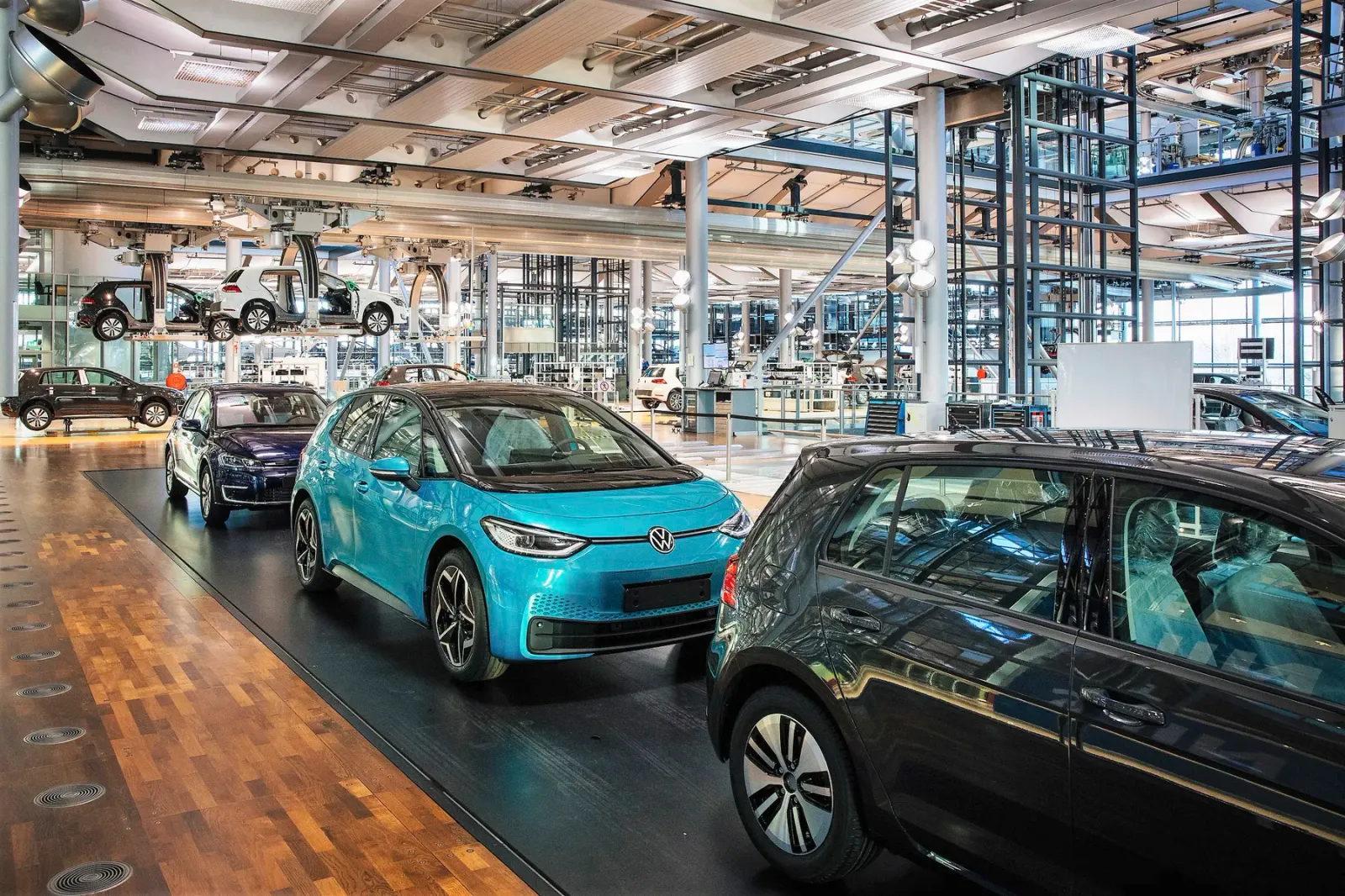
At the same time, production capacity in plants specialized in electric vehicles is being increased. Additional changes are planned for the ID.7 model production in Emden, while the plant in Zwickau is benefiting from growing demand for the updated ID.3 Neo and the electric Audi Q4 e-tron.
Rising Gas Prices Accelerate Transformation
The change is driven by a clear increase in interest in battery-powered cars in Europe. Volkswagen’s board member for sales, Martin Sander, has no doubt that the market has entered a new phase of transformation. “Demand for battery-powered electric vehicles is rising sharply in Germany and other European countries,” he said in an interview with Automobilwoche. He considers this a “significant turning point in the transformation of the automotive market.” Sander points to persistently high prices for gasoline and diesel as one of the factors accelerating customers’ shift to electric drives.
In practice, this also means a decline in interest in cars equipped with internal combustion engines, so Volkswagen must adapt its production structure to the new demand realities, and there isn’t much time — explain company representatives cited by Deutsche Welle.
This is especially true since we quoted Volkswagen’s president a month ago, who warned that the company is in a “more than critical” situation. This statement came ahead of meetings with employees of the automotive giant, during which the company’s leader will defend the cost-cutting plans.
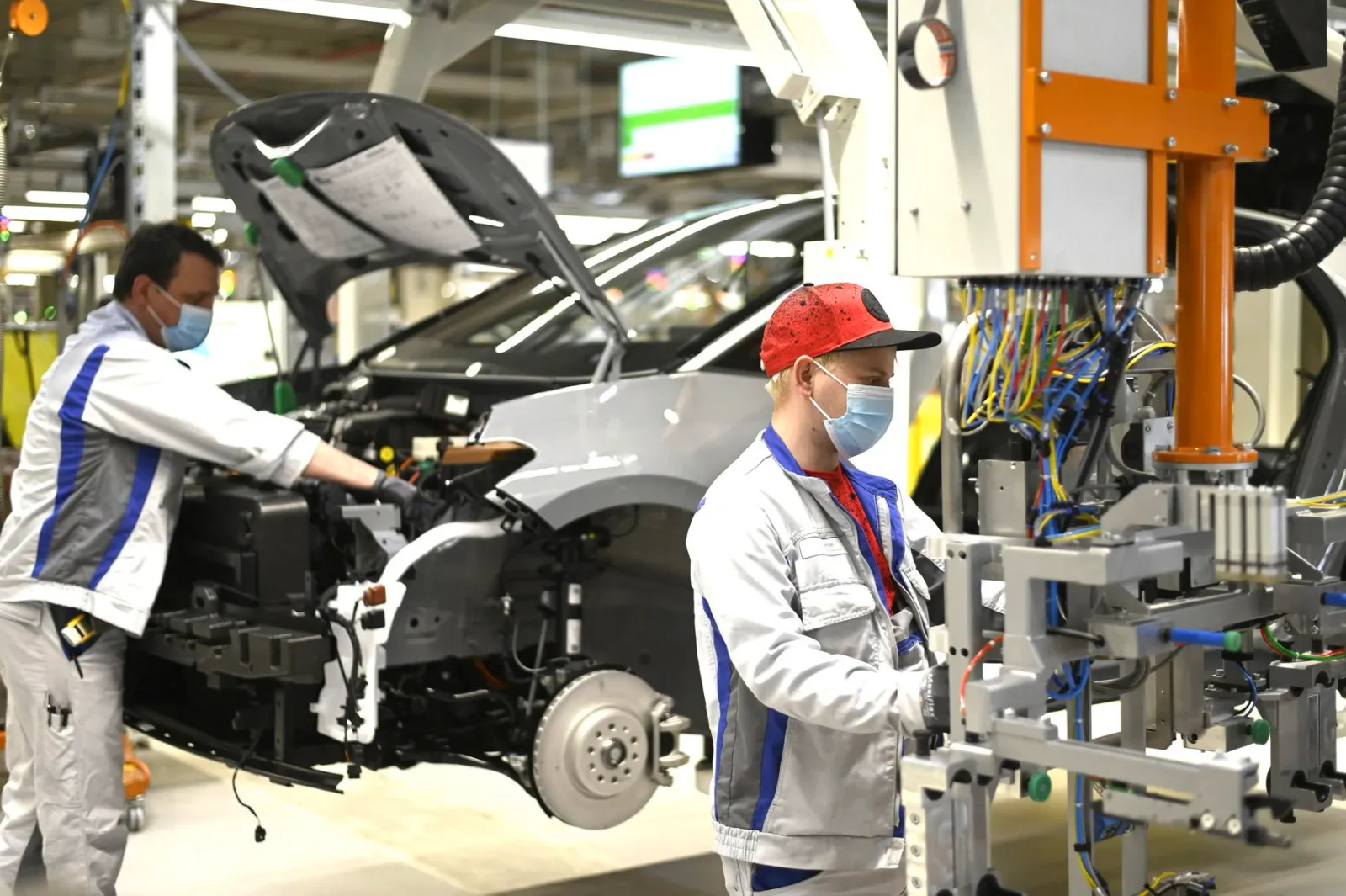
Oliver Blume said at the time that Volkswagen—like the rest of Germany’s automotive industry—is facing “the biggest turning point in its history,” driven by global challenges and competition from China.
Now we have another shift in the narrative, which is particularly evident in the home market. According to Motor1, Volkswagen is currently receiving more orders for fully electric vehicles than for gasoline-powered models. Just a few years ago, such a scenario seemed unlikely, especially since the first ID. series models failed to meet all sales expectations, with customers often citing high prices and limited choices.
Today, a new generation of more affordable electric vehicles is turning the situation around. The so-called Urban Electric Car Family has attracted particular interest, referring to a group of compact models built in Spain on the MEB+ platform. This family includes the Volkswagen ID. Polo, Cupra Raval, Volkswagen ID. Cross, and Škoda Epiq. According to data cited by Focus, pre-launch orders for this family have already exceeded 100,000 units. The electric ID. Polo alone has received over 40,000 orders.
Lower-priced cars were the key to market success
It is these cars that show that for many customers, the main barrier was not electric technology itself but rather price. Over the years, Volkswagen has tried to convince drivers of electric mobility primarily through larger and more expensive models. It is only with the emergence of cheaper urban segment vehicles that the company is beginning to achieve the sales volume it has long hoped for.
The growing demand for electric vehicles does not mean that all problems have been solved. On the contrary. As Electrive notes, Volkswagen finds itself in an unusual situation: it is achieving sales success in a segment that still generates lower margins than comparable gasoline-powered models.
Industry media emphasize that the profit per electric vehicle remains lower than that of a car with a gasoline or diesel engine. This is a significant issue for the company, which is simultaneously implementing a comprehensive cost-cutting and restructuring program.
Further Challenges
The challenges do not end there. Electric vehicles require fewer mechanical components and usually less labor for assembly compared to internal combustion engine cars. This means that it is not possible to automatically replace every internal combustion engine car with an electric one without affecting employment and the utilization of existing production capacity.
The best example is… Wolfsburg, Volkswagen’s historic heart. The factory was designed to produce internal combustion engine vehicles such as the Golf, Tiguan, and Tayron. Yet the biggest demand growth currently comes from electric models manufactured mainly in Emden, Zwickau, and the company’s plants in Spain. This is precisely why Volkswagen can simultaneously report record interest in electric vehicles while limiting further production changes at its most famous factory—something we covered recently.
What’s next?
In a broader context, the current boom in electric vehicles may also impact the debate over the future of the company’s German plants. As Electrive notes, questions remain about the long-term role of the factories in Emden and Zwickau after 2030, as well as the future of the plants in Hanover and Neckarsulm within Volkswagen Group’s cost-saving program.
Of course, Volkswagen’s transformation has a much broader dimension than just the future of its factories in Wolfsburg, Emden, or Zwickau. Poland remains an important part of the group’s European production ecosystem, home to several strategic facilities of the Group. Recall that Volkswagen’s factories in Poznań, located in Antonin and Września, are responsible for producing commercial and utility vehicles, while the foundry in Wilda also supplies components used in electric vehicles based on the MEB platform, including models from the ID series.
This means that the growing sales of battery-powered cars in Europe, including among our western neighbors, is significant for Volkswagen’s Polish production base as well, which is increasingly integrated into the supply chain related to electrification.
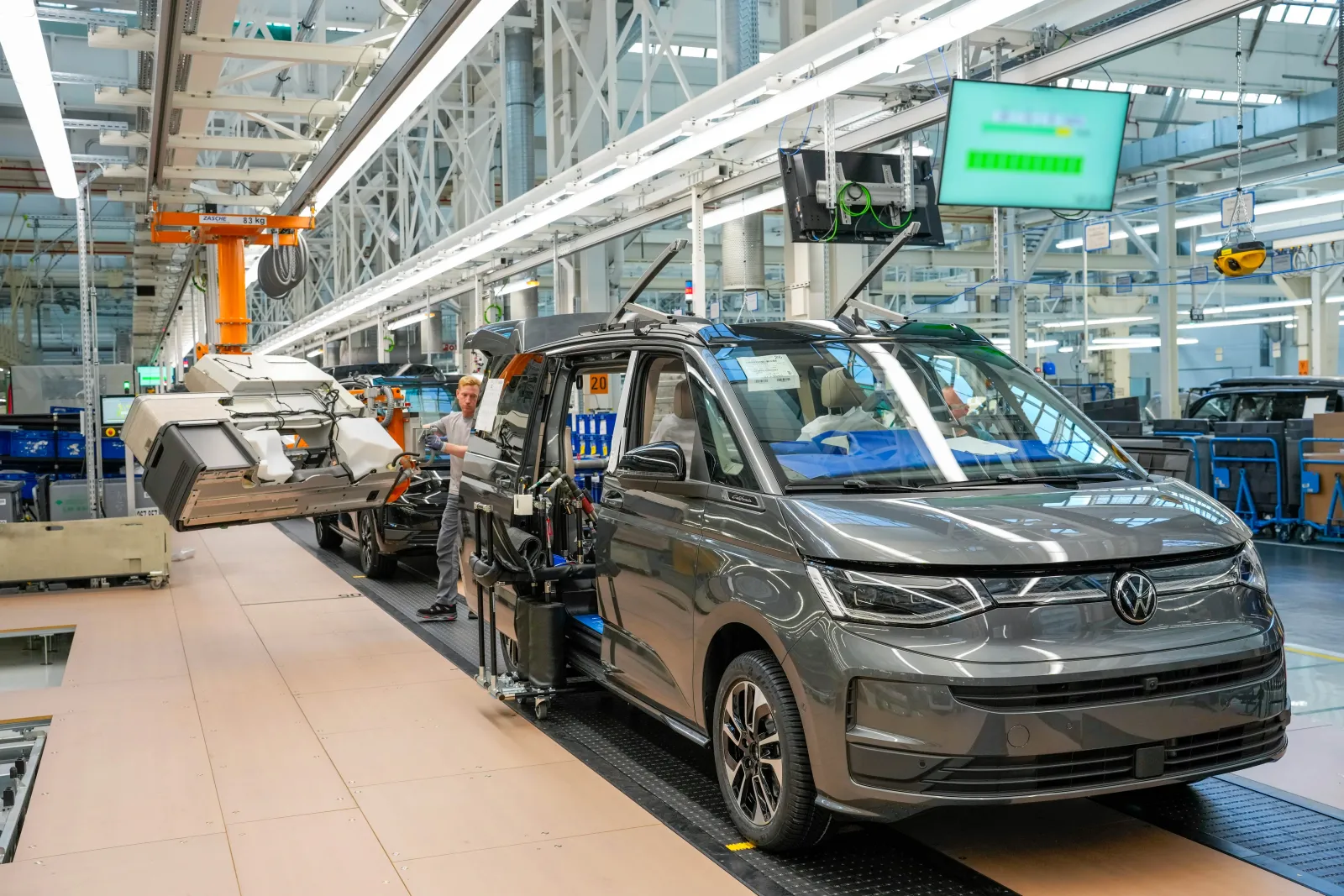
Meanwhile, the Volkswagen Motor Polska plant in Polkowice plays a crucial role, specializing in the production of modern internal combustion engines and components for factories across the entire Volkswagen Group. It is plants like these that best illustrate the scale of the challenge facing European, German, and Polish automotives today, as demand for electric vehicles is rising rapidly on one hand, while the transition will not happen overnight, and there will be continued demand for vehicles equipped with internal combustion and hybrid engines for many years. Therefore, Volkswagen’s success in the electric vehicle segment does not mean an end to investment in existing production capabilities, but rather a need to gradually adapt the entire industrial ecosystem, of which Polish plants also remain an important part.
Volkswagen’s situation shows that Europe’s electric vehicle market has entered a new phase. “After years of manufacturers building production capacity in anticipation of rising demand, they now must adjust their production structures to reflect the actual shift in customers’ preference from internal combustion engines to electric ones. This is good news for factories focused on the new generation of vehicles and components, but it represents a huge challenge for plants built around conventional — internal combustion — technologies,” said Mikołaj Krupiński from the Institute of Automotive Transport.
Poland, as one of Volkswagen Group’s most important manufacturing hubs in Europe, will be involved in this transformation on both fronts — both as a producer of components for electric mobility and as a key center for manufacturing vehicles and powertrains during the transition period. Now the company must prove it can not only sell more electric cars but also produce them with satisfactory profitability, while simultaneously carrying out a smooth transformation of its traditional factories. This stage may turn out to be the toughest test for Europe’s largest automobile manufacturer.
Oskar Włostowski