
Volkswagen will close four factories. Emden and Zwickau by 2031, Hanover in 2032, and Neckarsulm in 2034? [WiWo]
![Volkswagen will close four factories. Emden and Zwickau by 2031, Hanover in 2032, and Neckarsulm in 2034? [WiWo]](https://api.ev-route.com/storage/news/2026-09/volkswagen-zamknie-cztery-fabryki-emden-i-zwickau-1.webp)
The economic weekly WirtschaftsWoche obtained a confidential document from Volkswagen showing plans to close four factories at the beginning of the next decade. The plants in question are those crucial for electric vehicles—Emden, Zwickau, and Neckarsulm—as well as Hanover (all in Germany), where, in addition to the VW ID. Buzz, the company’s diesel-based commercial vehicles are also produced. But this doesn’t mean electric models will disappear from the lineup—they will rather gradually move to the company’s main factories.
Volkswagen Will Cut Costs
Table of Contents
Volkswagen Will Cut Costs
Will the VW ID. Buzz Stay in Poland or Be Phased Out?
Zwickau currently produces the VW ID.3, Cupra Born, VW ID.4, ID.5, and Audi Q4 e-tron in both body styles. These models — except for the ID.5 and Q4 e-tron Sportback, which are likely to be discontinued — would need to be moved elsewhere by 2031 at the latest. The new generation of VW ID.4/ID.5 as the Volkswagen ID. Tiguan has been approved by unions in Emden, but that plant is also set to close in 2031, so almost all vehicles based on the MEB+ RWD platform would have to find another home. It’s possible that the parent factory in Wolfsburg, Germany, could become that new location.
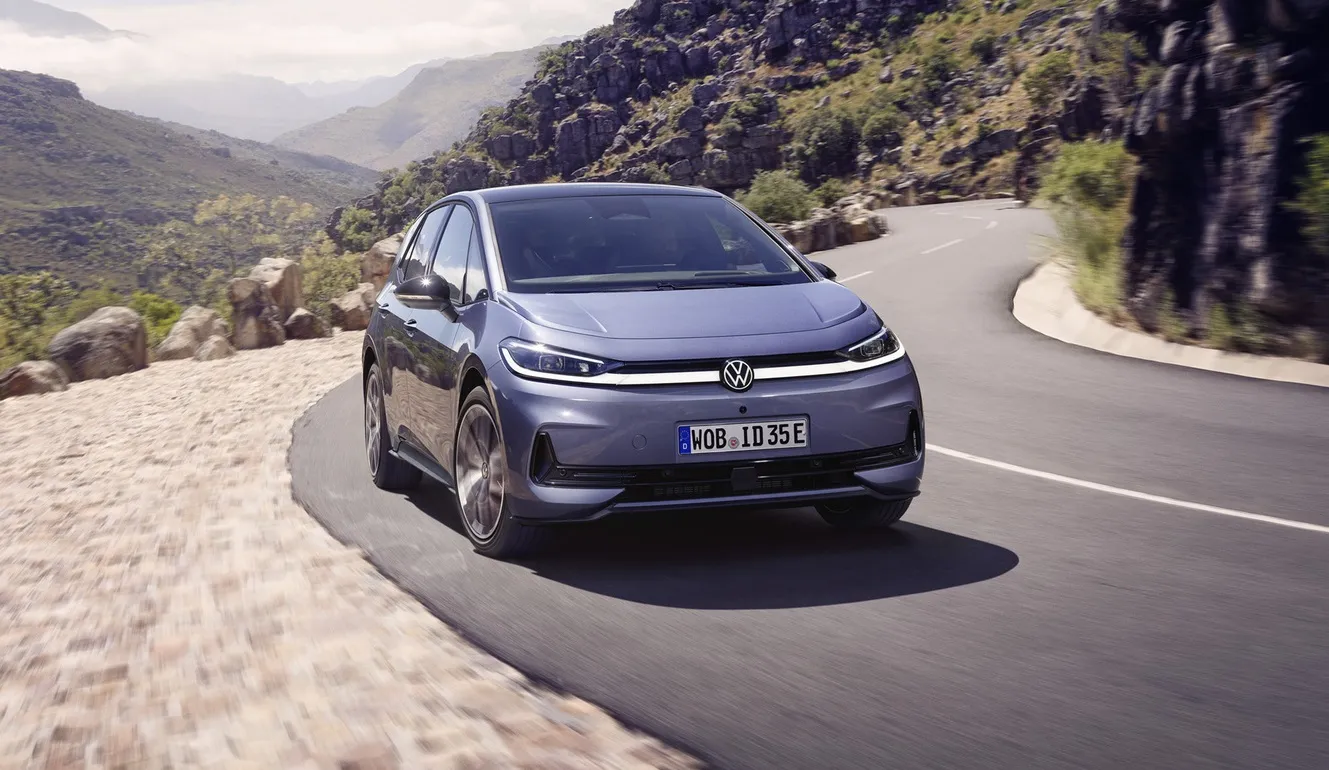
Volkswagen ID.3 Neo, the successor to VW ID.3 (c) Volkswagen
Will VW ID. Buzz be produced in Poland or discontinued?
The closure of the plant in Hanover is potentially good news for Poland. The VW T7 Multivan and VW ID. Buzz are produced at this German factory, with the latter having previously been rumored to possibly be manufactured in Września. However, there’s no reason for premature celebration—while the Volkswagen ID. Buzz is undoubtedly an attractive vehicle on the outside, it was designed to avoid competing with its internal combustion engine counterparts. As a result, it is less functional and more expensive, which contributes to its relatively low sales volume. In the commercial vehicle segment, it has long been outperformed by traditional Volkswagen models, vehicles from Stellantis (including the Toyota ProAce), and more recently, the Kia PV5.
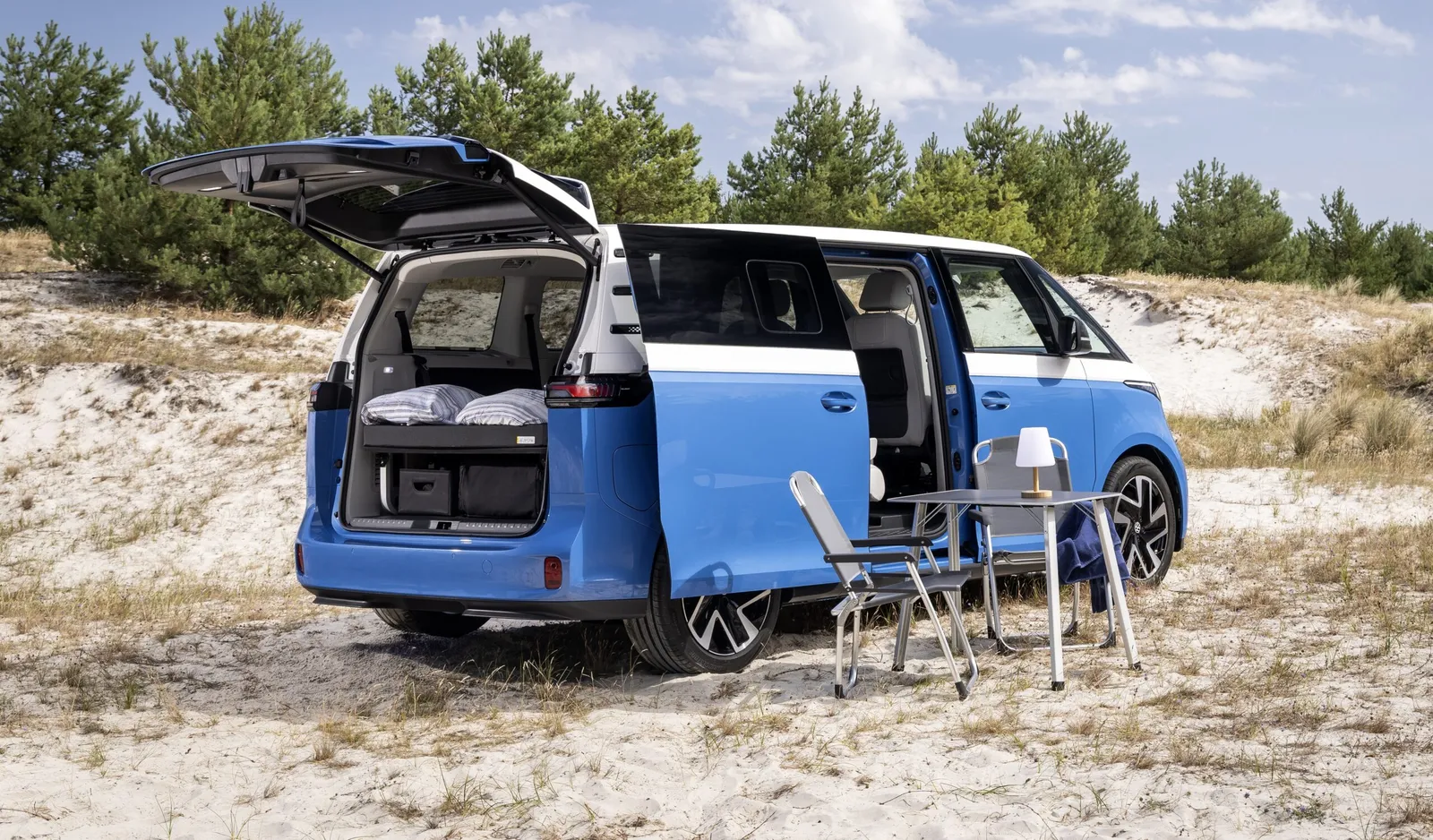
Volkswagen ID. California Cruise, or VW ID. Buzz modified into a camper van by the Baltic Sea pretending to be California (c) Volkswagen Nutzfahrzeuge
The last factory set to close is reportedly Audi Neckarsulm. Currently, Audi A5, A6, A8, and Audi e-tron GT are produced there. The fate of the latter is already decided following the decision to phase out the Porsche Taycan. The Audi A6 e-tron and Audi Q6 e-tron are manufactured in Ingolstadt, Germany, so the group is gradually forming a strategy of concentrating key models near its headquarters. An exceptionally bold observer might even venture to say the company will abandon producing the Audi Q4 e-tron to elevate its position—even though it currently generates the highest sales in the electric vehicle segment.
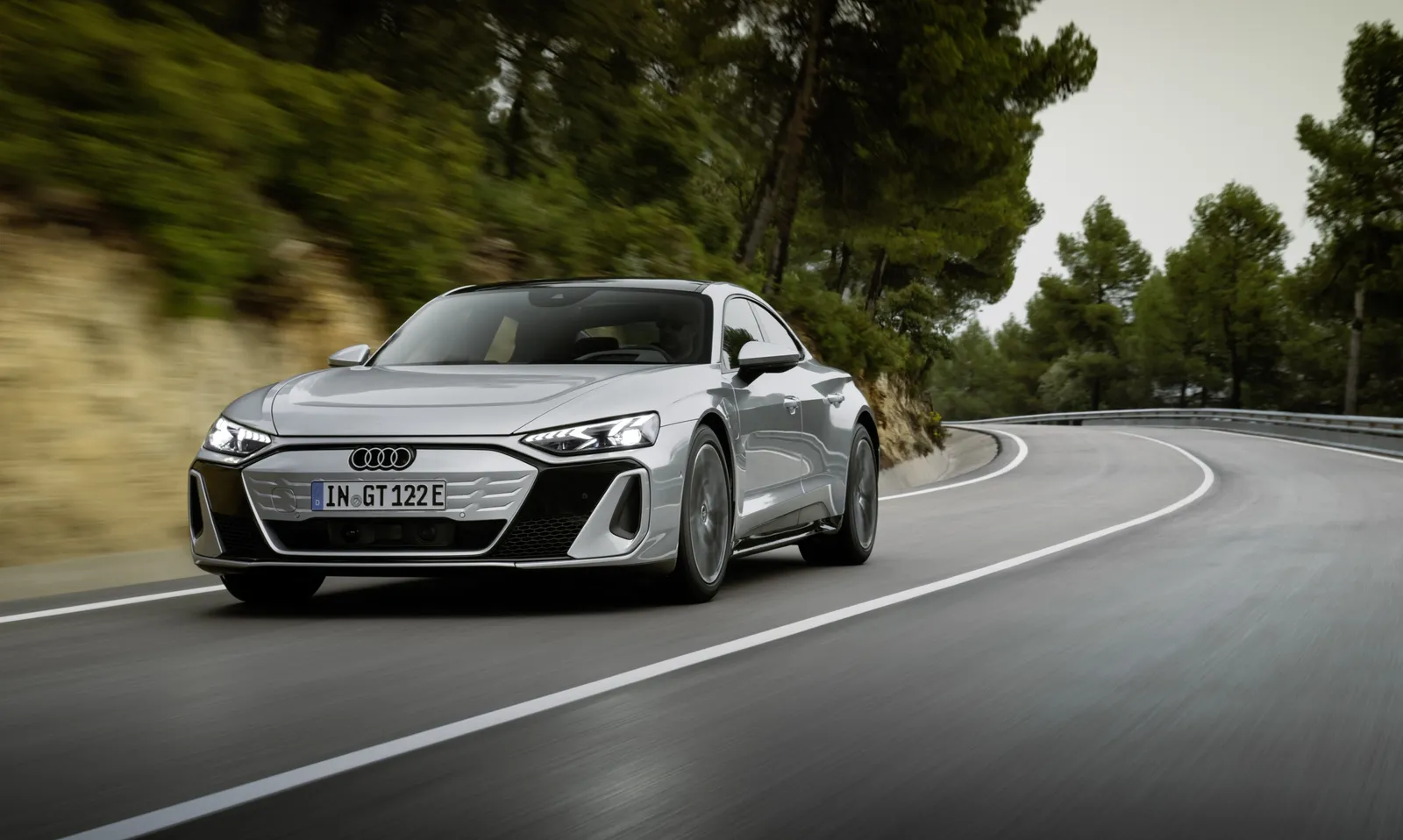
Audi e-tron GT (c) Audi
In addition, the company is reportedly planning to completely phase out the Seat brand and cut R&D expenses by 50 billion euros. If the cost-saving plans fail—due to obstruction from unions or shareholders—the company is expected to start incurring losses by 2030 at the latest.
Article Rating
Readers' Ratings
[Total: 0 votes Average: 0]
Don’t miss new content—CLICK and FOLLOW Elektrowoz.pl on Google News. You might also be interested in the following ads: