
Volkswagen and Cupra limit the charge of thousands of electric cars to 80% due to fire risk
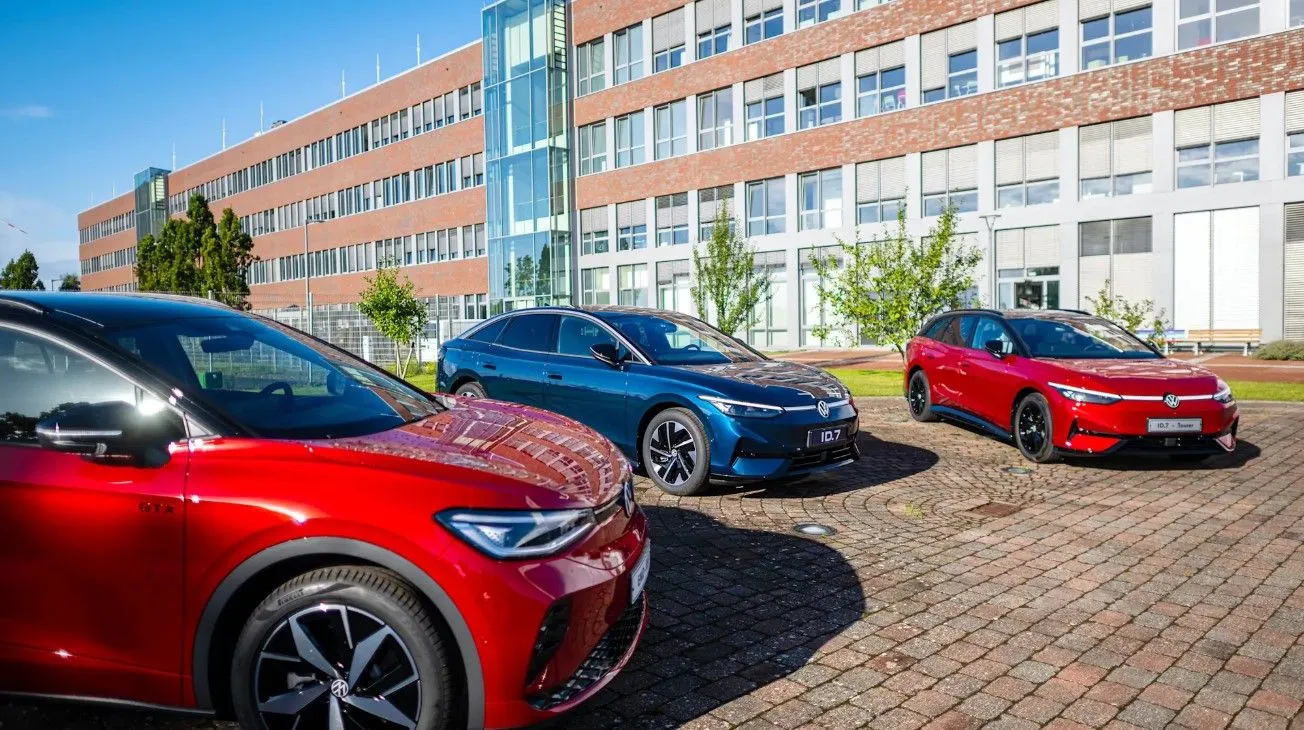
Volkswagen is asking owners of several of its electric cars not to charge their vehicles beyond 80% after detecting a problem with certain batteries. This measure applies to specific models only, not all cars in the affected series. While necessary checks and repairs are being carried out, some owners will have to deal with a lower range than usual.
According to data from Germany’s certification agency KBA, as reported by Tagesschau, three recall campaigns cover nearly 72,700 electric cars worldwide, of which around 10,000 are in Germany. There are also affected vehicles in other markets, as the cars come from the same production facilities.
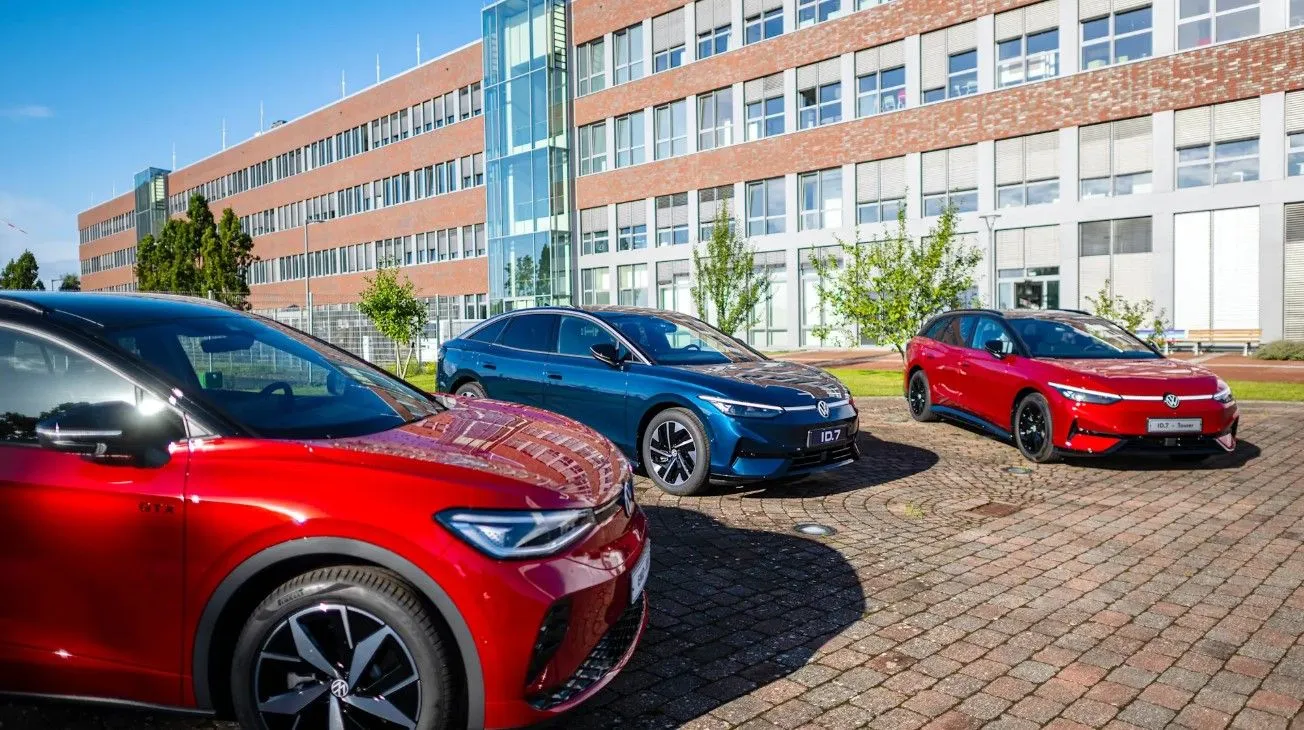
The models included are the Volkswagen ID.3, ID.4, ID.7, and ID. Buzz, along with the Cupra Born, from specific production periods. Volkswagen’s campaigns cover units manufactured between 2022 and 2025, while Cupra’s campaigns refer to vehicles from 2022 to 2024. This does not mean that all cars produced during those years have the issue: identifying each individual unit is crucial.
ADAC provides additional details: nearly 68,000 units belong to Volkswagen, and another 4,691 are the Cupra Born globally. In Germany, the figures are 8,650 and 1,231 cars respectively. The organization identifies Volkswagen’s models with codes 93MV and 93MF, while Cupra Born uses code 93W4 — useful references for contacting official support. In Spain, we still have no confirmation and have asked Volkswagen Spain about it.
Volkswagen has already confirmed the 80% limit
Volkswagen’s British subsidiary has a dedicated page on these campaigns and confirms that it is temporarily limiting the maximum charge to 80%. It adds that in most cases, the intervention was carried out remotely. Thus, the existence of this remote restriction is officially supported and does not rely solely on the message shared on Reddit that cites the Dutch article.
Volkswagen explains that certain battery components supplied by a supplier do not meet its quality standards. High charge levels can cause overheating and pose a fire risk. The brand does not publicly identify the supplier and acknowledges isolated cases of property damage, although its British site states that there are no confirmed cases of personal injury.
The subsequent action will depend on the vehicle. It may include a physical inspection, a software solution, and, when necessary, the replacement of battery modules. Volkswagen UK states that the repairs will be free of charge and that original charging and range parameters will be restored once completed. However, it does not provide a specific resolution date for all affected vehicles.
The situation also affects the United States, where a campaign has been announced for 22,524 Volkswagen ID.4 vehicles. The information released there mentions a temporary limitation through a remote update while a permanent solution is developed. This figure should be kept separate from the European count: without verifying the scope and possible overlaps between cases, adding them together could give a potentially incorrect overall figure.
For the owner, the most immediate consequence is having less range at the start of a trip. As an illustrative example, a car that can travel 400 kilometers with a full charge would have only about 320 kilometers left if it starts with four-fifths of the battery remaining, assuming the same consumption level. This isn’t due to battery degradation but rather a temporary restriction on the allowable charge level.
It’s also inaccurate to present this measure as a simple recommendation for battery care. Voluntarily setting a daily limit and being able to increase it before a trip is different from having a safety-related restriction. In this case, lifting the restriction depends on the checks and actions taken as part of the campaign, which may cause inconvenience for those who need to utilize the car’s full range.