
Volkswagen cancels 10 collective bargaining agreements. Employment protection extended until 2030
Volkswagen will terminate several internal collective agreements by the end of December 31, 2026, which regulate aspects such as working hours, overtime, bonuses, and training. According to IG Metall, there are ten agreements involved, but the ban on layoffs for operational reasons will still remain in effect until the end of 2030.
The agreements will expire, but their provisions will still apply
The company utilized a revision clause included in the agreement that took effect on January 1, 2025. This clause allows for resuming negotiations if economic conditions change significantly since the agreement was signed. Previously, the same mechanism was triggered by the IG Metall union.
Volkswagen attributes its decision to a tougher market situation, geopolitical tensions, trade barriers, and competitive pressure, especially from companies in China. Arne Meiswinkel, the board member in charge of human resources, said that “agreed actions must be consistently implemented, and costs must continue to be reduced.”
The manufacturer did not provide an exact number of agreements being terminated. Union representatives speak of 10 agreements covering additional pay, employee benefits, the rules for the Tarif Plus program, training, and a framework collective agreement. The latter is particularly important as it defines the basic employment conditions, including working hours and overtime.
A mere announcement does not change conditions overnight. According to German regulations, existing agreements remain in force until new arrangements are reached. Volkswagen has also not made any request to extend the current 35-hour work week to 38 or 40 hours, although according to “Handelsblatt,” such a possibility is being considered within the company.
The main agreement regarding the company’s future remains intact. It still prohibits layoffs for operational reasons until the end of 2030. The company wants to use other, socially acceptable methods to reduce staffing first. IG Metall responds that workers have already made significant concessions during negotiations at the end of 2024.
Electric vehicle factories without a certain future
The next round of talks is scheduled for the second half of October. The dispute has intensified over IG Metall’s demand for a 5% wage increase, which Volkswagen rejects due to economic conditions. The obligation to maintain social peace expires on January 1, so protests may take place thereafter.
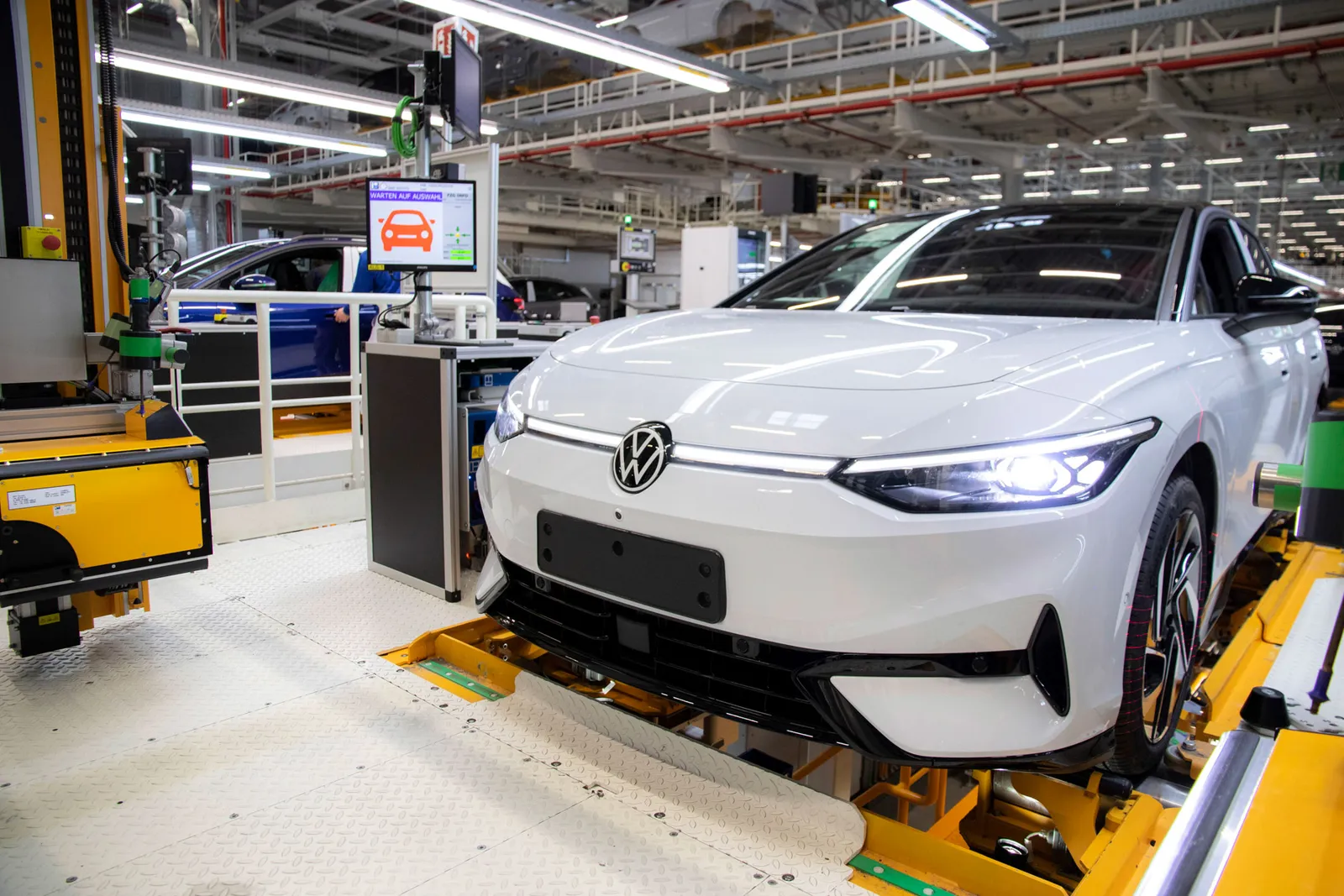
The negotiations will also be significant for the plants producing electric vehicles. Internal documents suggest that long-term assignments of future models to Volkswagen’s factories in Emden, Zwickau, and Hanover, as well as Audi’s plant in Neckarsulm, remain open. In particular, Zwickau and Emden are now closely tied to the production of the group’s electric models.
Meanwhile, Volkswagen is not giving up on investing in batteries but increasingly sharing the costs with partners. At the end of September, the company deepened its collaboration with Gotion on three projects in Spain, Slovakia, and Morocco. The total value of the investments is expected to be around 3.22 billion euros, distributed among several joint venture companies.
For now, employees retain their current conditions and job security. However, two much more difficult questions remain: how many hours they will work after the new negotiations and which German factories will have models that ensure them employment beyond 2030.
LovEV Newsletter
Want more content like this?
Sign up — we’ll send you a weekly summary once the newsletter starts.
