
Volkswagen has suspended work on the electric ID.Golf. It was supposed to be launched in 2028.
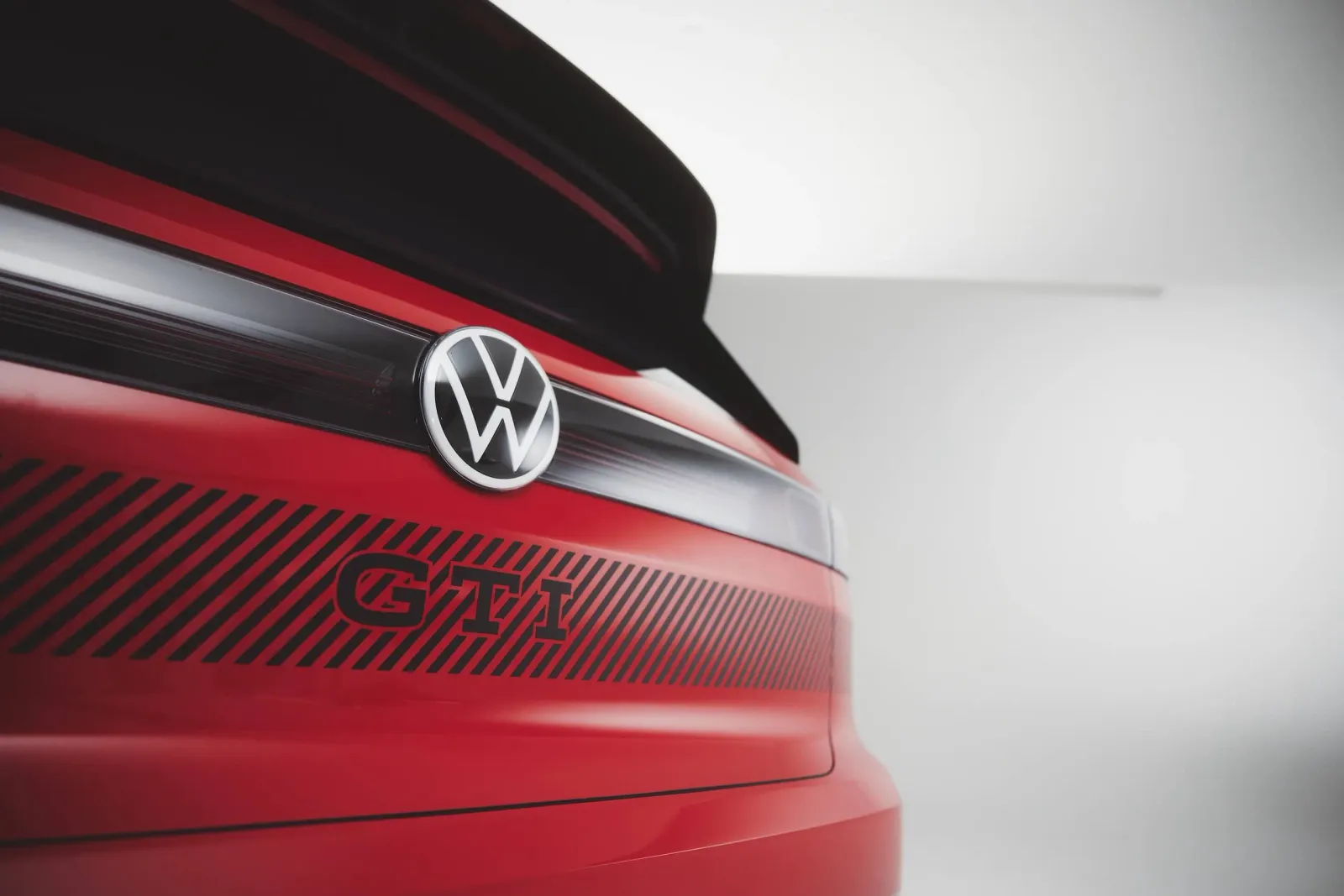
Volkswagen confirmed the suspension of development work on the ID.Golf, the electric successor to the Golf. The brand’s head, Thomas Schäfer, first announced the pause in an internal interview, as reported by Handelsblatt, and the company repeated this in its quarterly results report nine months later. Work is set to resume once VW “safely allocates the necessary investments,” but no timeline for resumption was given.
Thomas Schäfer, head of Volkswagen Group, wrote in a note obtained by Reuters: “We simply cannot afford this project at the moment.” He added that the decision was not easy, as he understands how much the Golf means to Wolfsburg. The local plant has an annual cost target of around 300 million euros according to the note, while the plants in Emden and Zwickau are part of cost-cutting efforts.
Cash flow dropped by two-thirds
W Brand Group’s core net cash flow declined from 4.34 billion to 1.43 billion euros in the first nine months of 2026. Revenue barely changed (106.4 billion euros), but operating profit fell from 4.72 billion to 4.33 billion euros, and profitability dropped from 4.4% to 4.1%. The Volkswagen Passenger Cars brand performed even worse: operating profit dropped from 1.48 billion euros to 813 million euros, resulting in a profitability of 1.3%. Without the costs of restructuring, the planned sale of the factory in Osnabrück, and the end of ID.4 production in Chattanooga, the profitability would have been 2.6%.
Volkswagen explains that electric vehicles still do not match the profit margins of gasoline cars, and their share is increasing at the expense of more profitable engines. The group sold 209,100 electric vehicles globally in the third quarter, 19.6% more than the previous year, yet it still recorded its largest quarterly loss since Dieselgate. According to Electrek, the group’s operating loss amounted to 5.9 billion euros due to write-downs on its stake in Porsche, weak sales in China, and lower profit margins on electric vehicles. Arno Antlitz, the group’s CFO and COO, said, “We cannot afford to waste time and must act quickly and decisively.”
The pause is part of an austerity program. The “Future Plan 2030” plan, approved by the board of directors a month earlier, calls for cutting 100,000 jobs worldwide, reducing the number of models offered, and closing several factories in Germany.
What about the launch date?
ID.Golf is set to be built on a new SSP (Scalable Systems Platform) that aims to reduce technical complexity and costs. The car was originally scheduled for 2028, but Schäfer confirmed earlier this year that the launch will be pushed closer to 2030. He cited the fact that SSP, developed in collaboration with Rivian, is taking longer than expected. Production of the electric Golf in Wolfsburg is expected to begin by the end of the decade, while the gasoline version will go to Mexico in 2027.
The works council claims that the lost time can be made up, so the launch is still expected around 2030 (some reports suggest the early 2030s). At the same time, they view the suspension of spending as another sign of the company’s strained financial situation. It is unclear whether the pause will delay the launch date.
Another development could also reduce Rivian’s role. According to Manager Magazin, Schäfer was supposed to submit a proposal to the management to adopt Xpeng’s CEA architecture in about 75% of the new generation of VW, Skoda, and Cupra models in Europe. For now, it’s just a proposal, with no decision yet.
Sources: electrive.com, electrek.co
LovEV Newsletter
Want more content like this?
Sign up — we’ll send you a weekly summary once the newsletter starts.