
Volkswagen wants Chinese software to save 5 billion
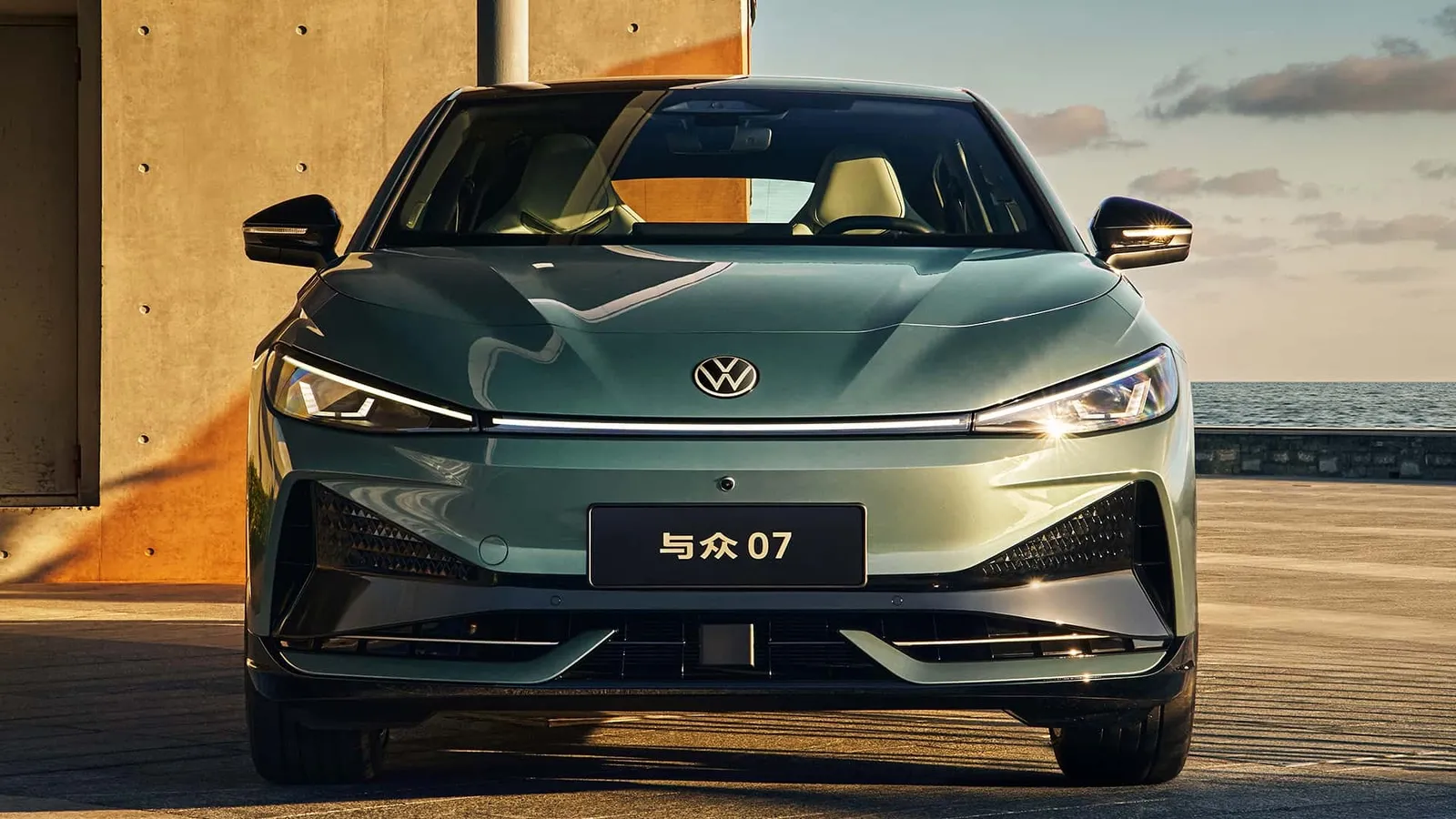
Volkswagen could save up to 5 billion euros by switching from Rivian’s technology to an electronic architecture developed in China.
The proposal, reported by Manager Magazin, is attributed to Volkswagen’s brand head Thomas Schäfer and board member Ralf Brandstätter, and it relates to future high-volume European models.
On the table is the China Electronic Architecture (CEA), developed in Hefei in collaboration with Xpeng. The software strategy with Rivian stems from the agreement announced in 2024 and continues with an operational joint venture in 2025.
The cost comparison is already clear enough to call this strategy into question.
The CEA proposal for European models
CEA was created through a partnership between Volkswagen China Technology Company and CARIAD China with Xpeng, the Chinese electric vehicle manufacturer. It is already in use: the ID. UNYX 07 is the first model from the group to adopt it, with production starting at the end of 2025. In 2026, the ID. AURA for the compact segment and the ID. Era 5X, the first mass-produced model using CEA and the CMP platform developed and manufactured for the Chinese market, will follow.
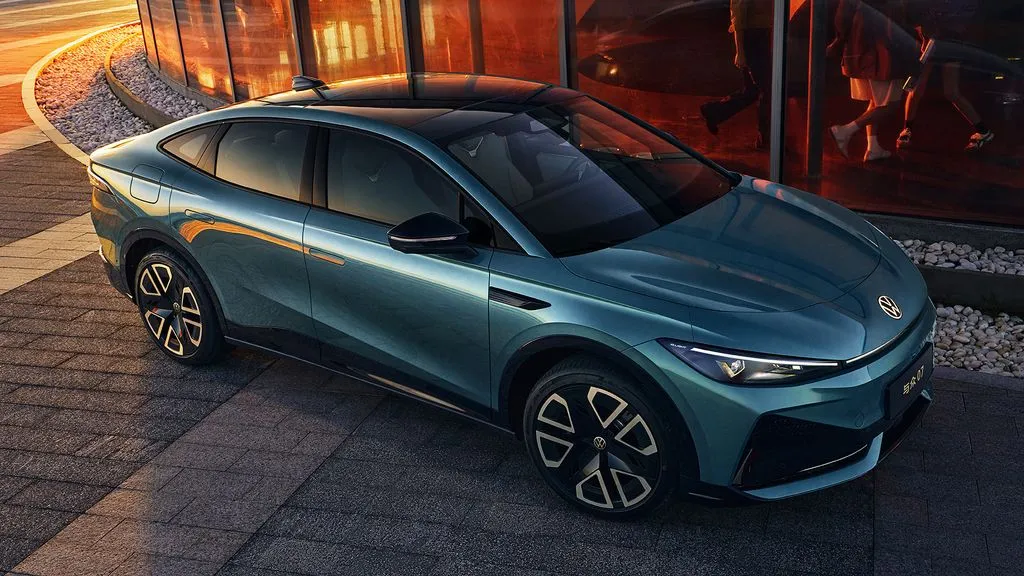
Volkswagen ID. Unyx 07
Photo by: Volkswagen
According to reports, this architecture reduces the number of electronic control units on board by about 30%. The internal proposal would apply to up to 75% of future Volkswagen, Skoda, and Cupra models. For some selected models, cost savings on development could reach 50%.
Among the models considered potential candidates are the upcoming ID. Golf, ID. Passat, and Skoda Enyaq.
These are all models above the ID. Polo in the lineup, those the group is focusing on for European sales volumes in the coming years.
Cost Comparison with Rivian
The economic disparity explains why this proposal reached such a high level in the hierarchy. An hour of development at the California-based joint venture RVT, that one with Rivian, costs around 174 euros. In Germany, the cost drops to about 120 euros, while at Volkswagen’s technology facility in China it falls to roughly 60 euros.
Applied to an electric vehicle in the future Tiguan class, this difference translates to about 8,000 euros more per unit using Rivian’s solution compared to the Chinese one.
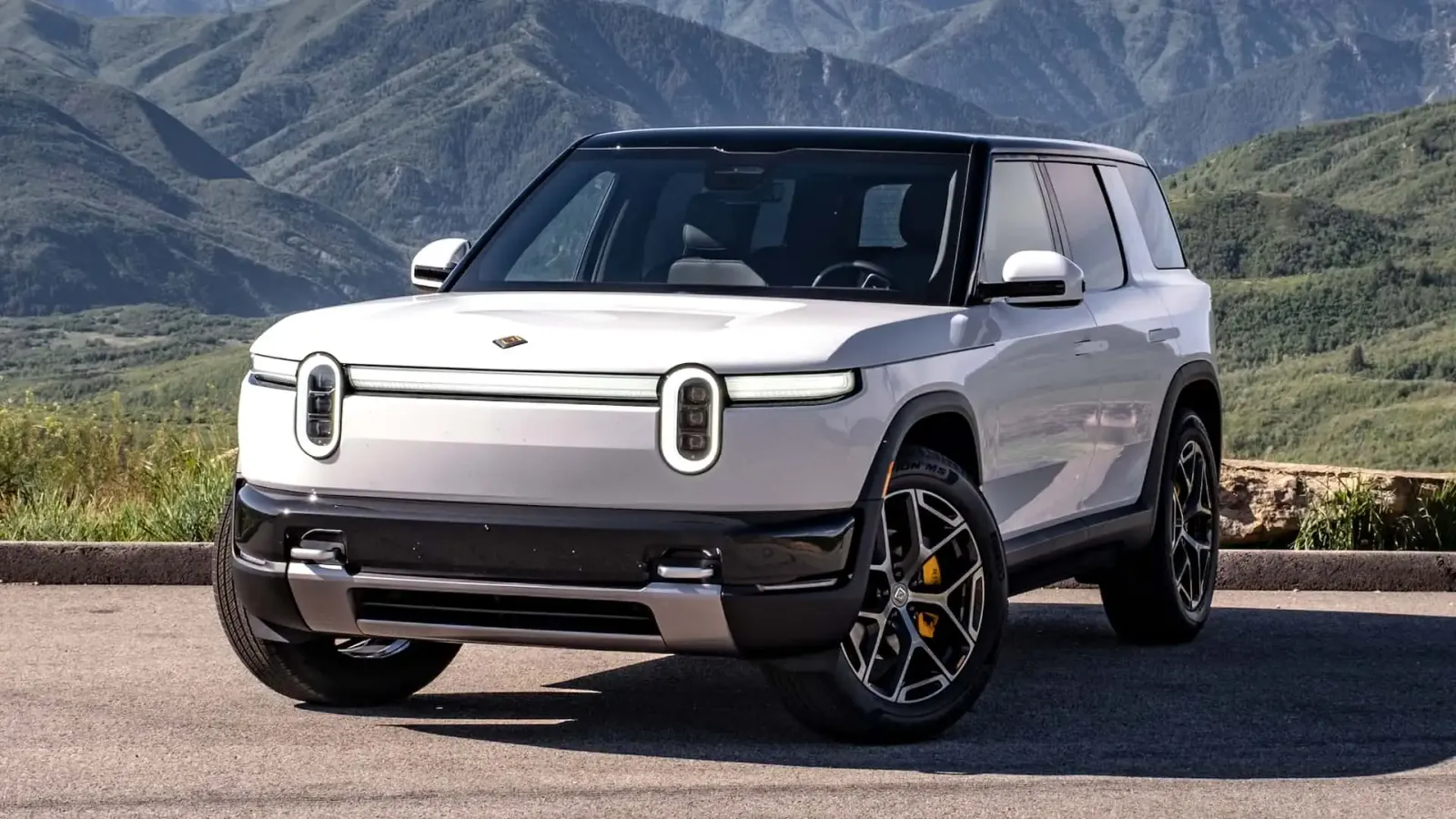
Rivian R2
Photo by: Jeff Perez / Motor1
Even if Volkswagen continues to co-finance the joint venture, shifting to CEA would still result in a net savings estimated at three billion euros.
The figure weighs heavily on a group that must improve its financial results by about 12 billion euros by 2030 and cut planned investments by nearly 15 billion. There remains a technical challenge: adapting the CEA to European cybersecurity and homologation standards would require additional months of development.
Volkswagen has not announced any formal reduction in its technological partnership with Rivian, which remains tied to the launch of the future affordable electric vehicle based on the ID. Every1 concept, expected in 2027.
Other Volkswagen news