
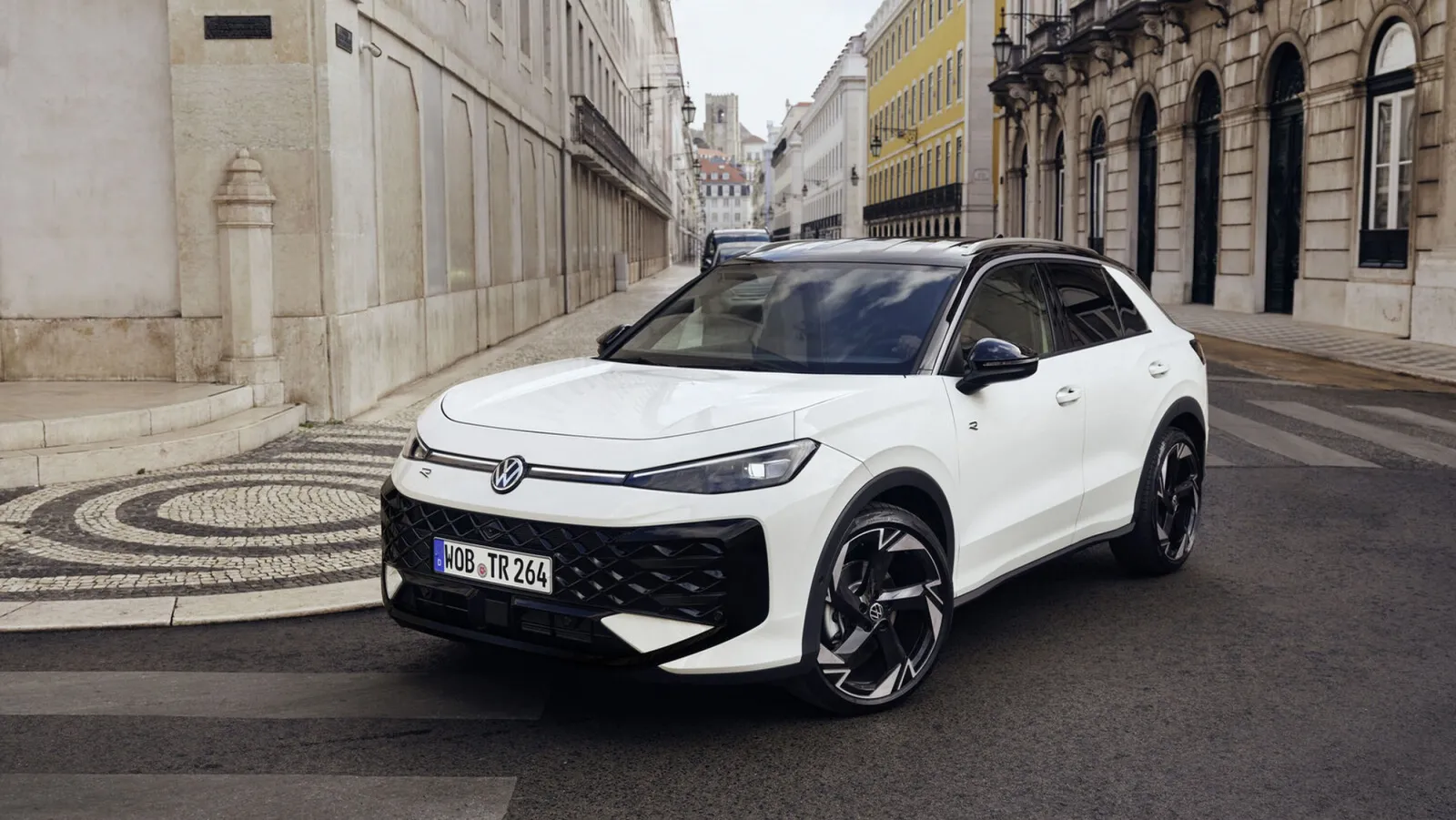
Volkswagen transforms one of its most well-known SUVs: the T-Roc finally gets a hybrid version that doesn’t require charging
17/09/2026 14:45
Updated to
17/09/2026 14:45
Not all drivers who want to switch to an electric vehicle can install a charger at home. Others simply prefer to maintain their usual routine with a gasoline-powered car. For them, Volkswagen now offers the T-Roc with an option that wasn’t available in its lineup before: a full hybrid (HEV) powertrain that can be recharged while driving.
The idea Volkswagen aims to convey is simple: achieving a greater role for the electric motor in driving without the need to connect the car to an external power source. The entire product concept is built around this idea: “I like hybrids, but I don’t want to deal with plugs.” This is complemented by the ECO label, lower fuel consumption, and potentially lower operating costs.
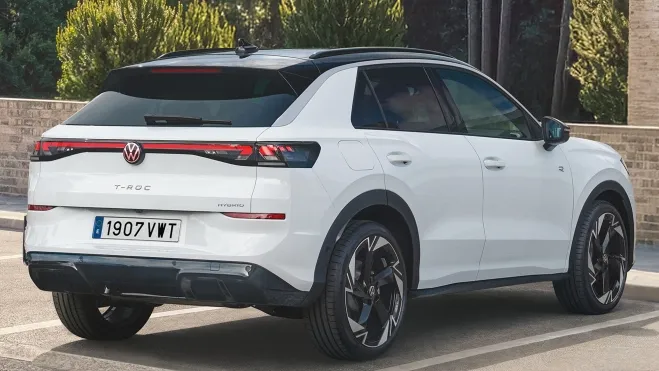
Volkswagen enters a new territory
The move is significant because it puts the Volkswagen T-Roc up against competitors who have long used hybrid technology as one of their key selling points, such as Toyota, Hyundai, and Peugeot, among others.
All of these brands operate in a market where design, dynamism, practicality, and personality play an increasingly important role in purchasing decisions.
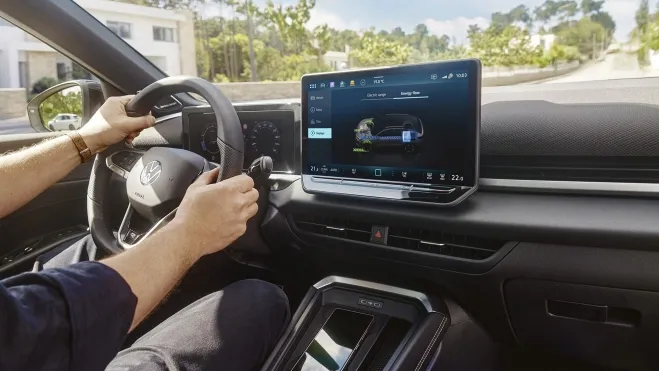
Volkswagen aims to differentiate its offering by equipping the T-Roc with a simpler electrification approach. Unlike plug-in hybrids, drivers don’t need to install a charging station or remember to connect the vehicle. The battery recharges while driving, and the system automatically combines the electric motor with the internal combustion engine.
This allows the car to perform certain driving tasks using electricity, especially in situations where this technology is most efficient, without requiring a radical change in habits.
The hybrid as a solution for those who still don’t want to plug in
This approach is particularly relevant in cities, where many drivers still lack a private parking space with a charger.
Indeed, among the main advantages of the hybrid HEV technology used in the Volkswagen T-Roc are the lack of need for external charging, along with higher efficiency, smooth transitions between electric and thermal operation, and lower emissions compared to a conventional combustion vehicle. Moreover, the more it moves, the more energy it recovers.
Volkswagen aims to position the new T-Roc in a sort of intermediate category: more electrified than a mild-hybrid, but much less dependent on infrastructure than a plug-in hybrid (PHEV).
It meets the needs of drivers seeking an aspirational yet practical SUV for both urban use and travel; a buyer who wants design and personality without neglecting operating costs and ease of use.
ECO label across the entire lineup
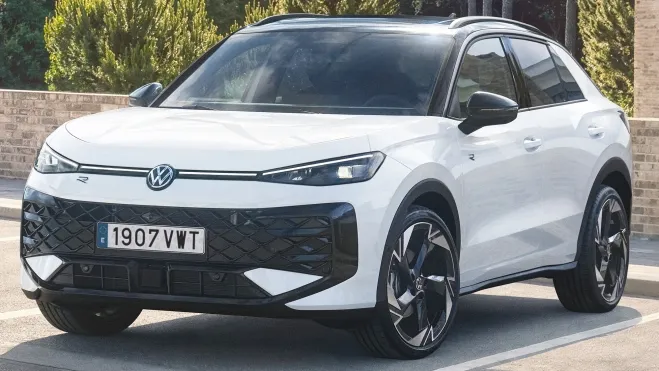
Volkswagen presents this powertrain as an extension of what the model already offered. It remains the same SUV, but now with the advantages of hybrid technology that were previously missing, complementing the eTSI microhybrid version already available in the German model.
One of its strongest selling points is its ECO environmental label, which is particularly useful for those who frequently drive in urban areas and want more flexibility amid traffic restrictions.
The T-Roc: for those who want to go electric without realizing it
The arrival of the Volkswagen T-Roc Hybrid brings about an important change in the brand’s lineup. It doesn’t force customers to choose between a mild electrification option or jumping straight to a model that requires external charging.
The new Volkswagen T-Roc Hybrid aims to attract those who want to drive an electric vehicle without turning charging into a new daily concern.
It is a less radical option than a 100% electric vehicle and easier to use than a plug-in hybrid. And that might well be its main strength: it combines the advantages of hybrid technology in such a way that drivers essentially have to change very little from their usual habits.